

If we mention Split in any context of history, culture, or even its present-day appearance – we can all agree that Diocletian's Palace will dominate our thoughts.
This should not surprise us, since Diocletian's Palace is a kind of symbol of the city and our first link to the beauties of Split, as well as to its historical and cultural wealth.
Get to know Diocletian's Palace a little better, peek into some of its secrets and enjoy the beauty of the historical facts revealed to us by details on its outer walls and inner rooms.
Diocletian's Palace is the ancient palace of Emperor Diocletian in Split. It was built around the year 300, during the reign of the Roman emperor Diocletian. Diocletian lived in the palace after his abdication from the throne (305 AD) until his death (316 AD).
 It was built in a bay of the peninsula, 5 km southwest of Salona, the capital of the province of Dalmatia. The remains of the palace today form part of the historic core of the city of Split, which was inscribed on the UNESCO list of World Heritage Sites in Europe back in 1979.
Based on certain data from a Roman map known from a medieval copy (the Tabula Peutingeriana), there was already an earlier settlement called Spalatum in this bay, whose remains and extent have not been established to this day.
 The exact beginning of the construction of Diocletian's Palace has not been precisely established. It is assumed, however, that construction began around the year 295, after the introduction of the Tetrarchy (the rule of four). Ten years after that decision, when Diocletian abdicated in 305, the palace was still not finished, and there are indications that some work continued while the emperor lived in it. By whose architectural idea the palace was built and who its builders were remains unknown.
The basic building material came from the immediate vicinity. White limestone was brought from Brač and some from Seget near Trogir. Tufa was quarried from the beds of nearby rivers, and brick was made in workshops in Salona and other places nearby. As a whole, the building had no direct model in Roman architecture up to that time. Its originality stems from its basic function and its adaptation to the site.
Diocletian's Palace is one of the best-preserved monuments of Roman architecture in the world.
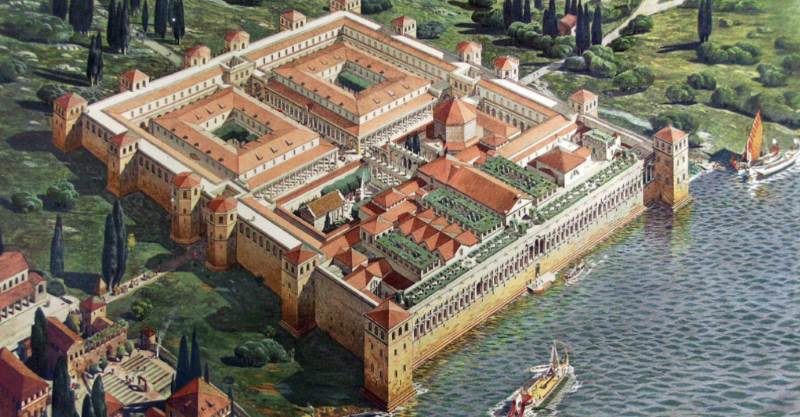
The emperor's palace was built as a combination of a luxurious villa – a summer residence – and a Roman military camp, divided into four parts by two main streets.
The southern part of the palace was intended for the emperor, his residence and the corresponding state and religious ceremonial, while the northern part was for the imperial guard – the army, servants, storerooms and the like.
The palace is rectangular in plan, with four large towers at the corners, gates on each of its four sides, and four smaller towers on the walls. The lower part of the walls has no openings at all, while the upper floor opens up with a monumental portico on the south side and corridors with large arched windows on the other three sides.
Recommended: Gregory of Nin in Split
Over the centuries, the inhabitants of the palace, and later the citizens of Split, adapted these spaces to suit their own needs, so that both the buildings inside and the outer walls with towers have greatly changed their original appearance, although the outline of the imperial palace is still very visible.
In plan the palace was conceived as a rectangle, but adaptation to the terrain imposed minor deviations. The main walls of the palace are massive and plain, without openings, in their lower parts. In the upper part, the walls open up with large arched windows. The outer walls of the palace, except the western one, have for the most part remained well preserved to this day. Sixteen towers on the main walls facing the mainland give the palace the character of a fortress. The four corner towers are square in plan. Two each of the six octagonal towers framed the three land entrances, while six rectangular towers stood between the corner and octagonal ones. To this day, three of the corner towers (except the south-western one) have been partly preserved, along with only remnants of the octagonal and rectangular ones.
 In its composition, Diocletian's Palace has elements of an imperial villa. In terms of construction methods, in most of the palace the spans were bridged using arches, or vaulting, while stone beams were used in the representative parts. The structures of the ceilings and roof were made of wood. The decorative treatment of the architectural elements is characteristic of the working methods in the eastern part of the Roman Empire.
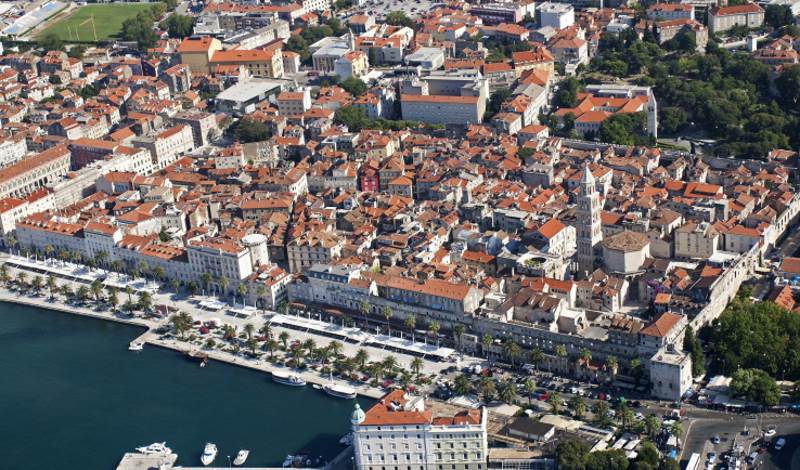
Diocletian's Palace can be ranked among the most fascinating buildings in the world. Today the palace forms the strict centre of the old part of Split, in which people still live. Perhaps that is what fascinates every tourist who sets off to wander the narrow streets that have been here for more than 1700 years.
The palace was built by one of the most famous Roman emperors, Emperor Diocletian, and it was built on the coast, just 5 kilometres from Salona, the former capital of the province of Dalmatia. It was not by chance that the emperor chose this location. Indeed, Diocletian was born in Salona. The palace also had its own aqueduct, about 9 kilometres long, which is still largely in use today and is one of the longest and best-preserved in Europe.
Although it was originally built as the emperor's summer residence, no one, not even Emperor Diocletian himself, could have imagined that life would still exist within the palace so many years after his death. Over the course of many centuries, the inhabitants of the palace, and later the citizens of Split, adapted the interior spaces to their needs. Thus the buildings within the walls, together with the towers, have greatly changed their original appearance, although the outline of the imperial palace remains very visible.
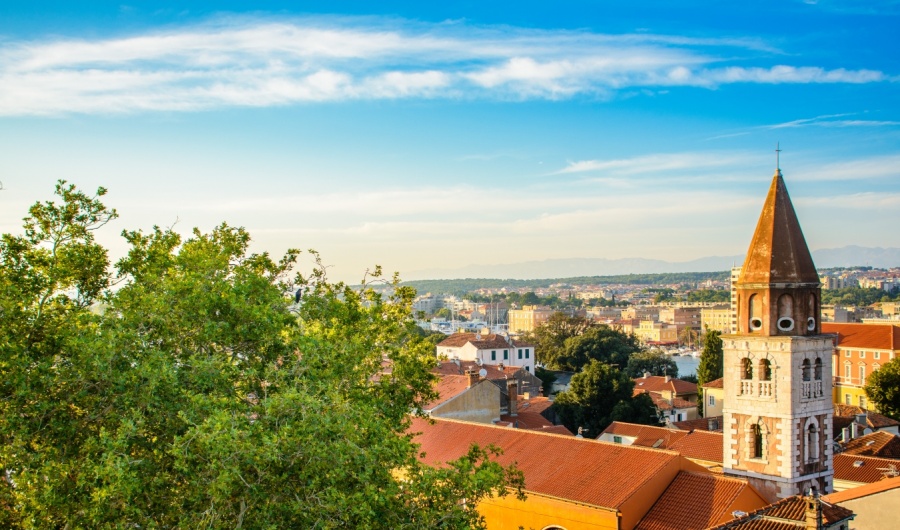
The palace itself contains numerous attractions that were once an integral part of everyday life. We can mention the Cathedral of St Domnius, which was actually built as the mausoleum of the famous emperor, along with its bell tower, added in the 13th century, which is considered to be a genuine original Dalmatian medieval building.
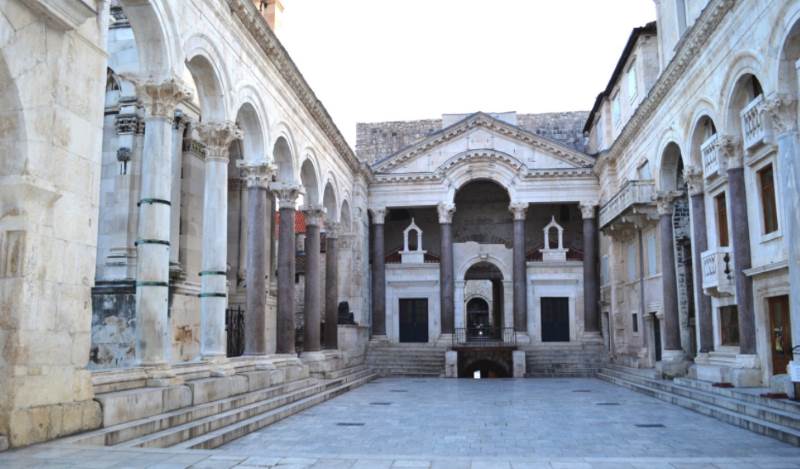
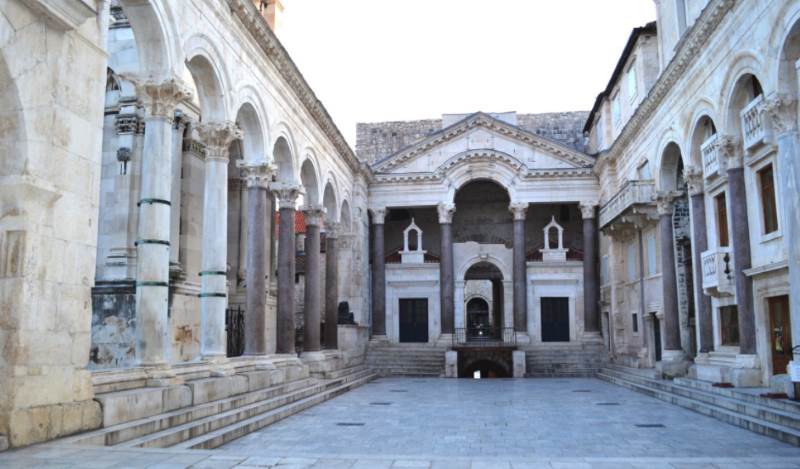
There are also beautiful façades and the palace gates – the Golden, Silver, Iron and Bronze Gates, as well as the Temple of Jupiter, which many claim to be one of the most beautiful European monuments. A monument in its own right is also the palace's central square – the Peristyle, and we certainly must not leave out the palace's cellars, which represent one of the best-preserved ancient complexes of this kind in the world.
The palace cellars are certainly intriguing and are gladly visited. They were built in order to level out the southern, residential part with the other parts of the Palace. The walls served as foundations for the imperial residential buildings, so the shapes of their rooms corresponded to the shape of the buildings that have disappeared above ground. They were probably also used as storage space, and perhaps even as a dungeon. Today the cellars are used as an attractive market and exhibition space, and the popular television series Game of Thrones was also filmed in them.
Precisely because of all the beauties and values we have mentioned, Diocletian's Palace was included on the UNESCO World Heritage List in 1979.
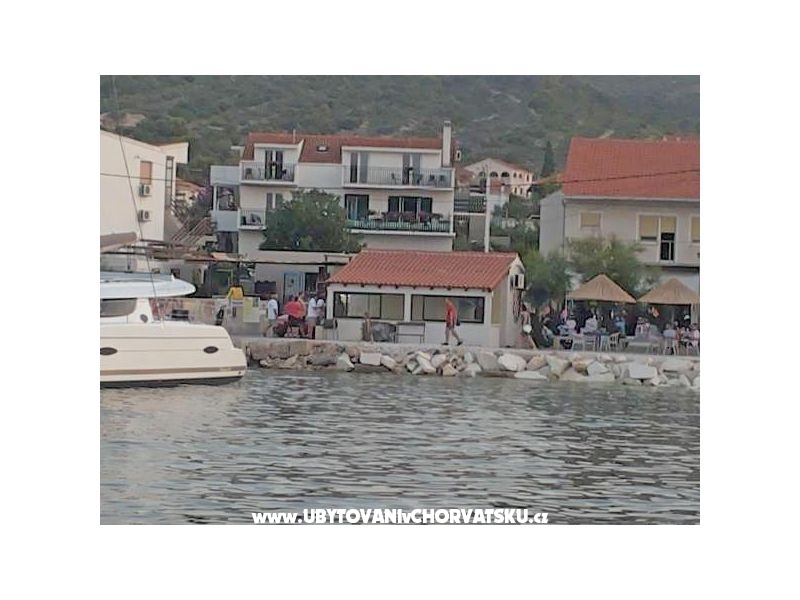 Apartments SILVA /SplitCapacity: 4-8 · To the sea: 20 mView offer
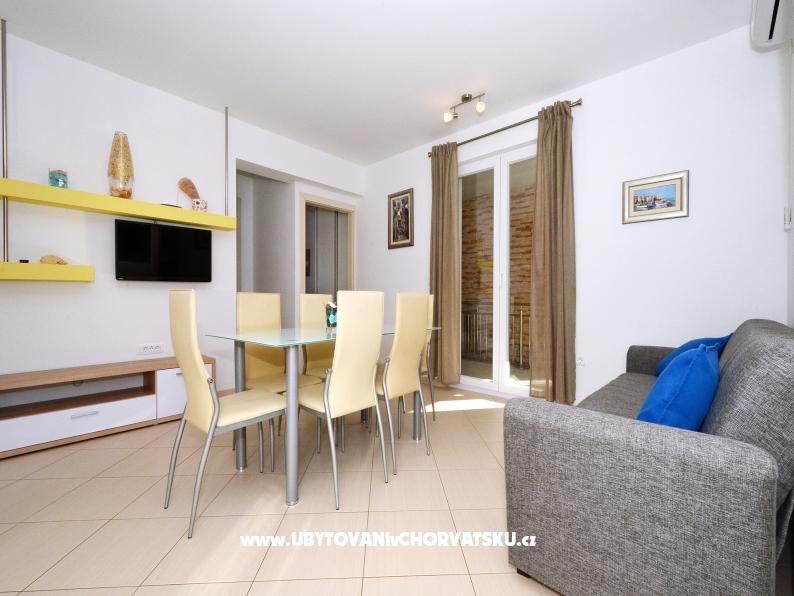 Lobster ApartmentsSplitCapacity: 3-23 · To the sea: 400 mfrom 20 € per person / nightView offer
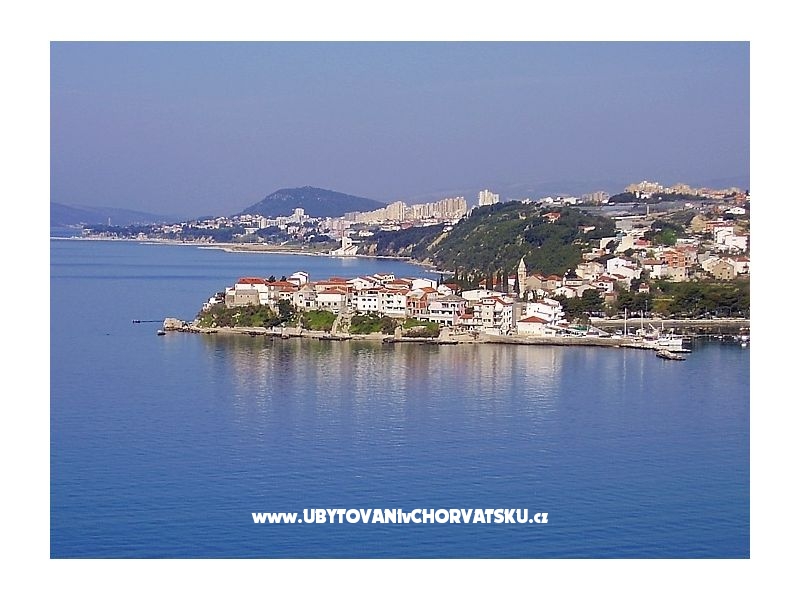 Apartman JagodaSplitCapacity: 2-4 · To the sea: 20 mfrom 25 € per person / nightView offer
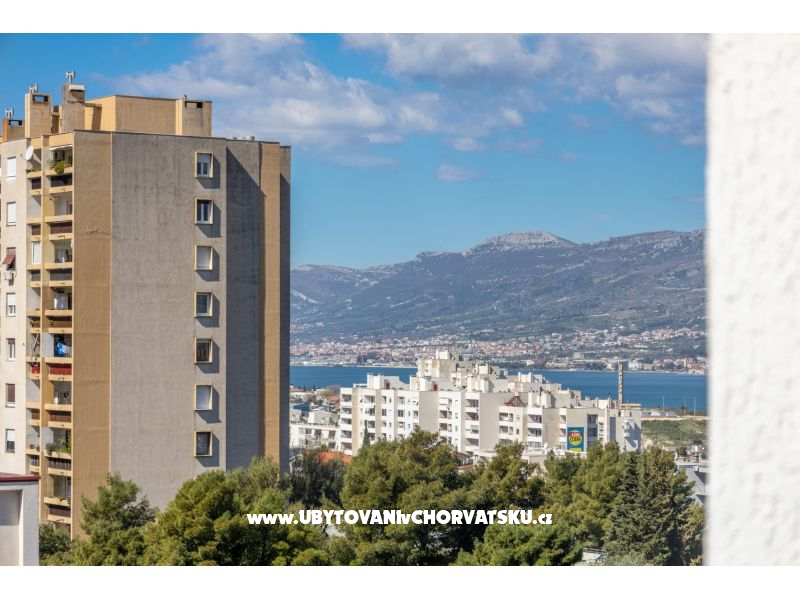 Apartman PujankeSplitCapacity: 2-5 · To the sea: 1 kmView offer
 Apartman AnicaSplitCapacity: 4 · To the sea: 200 mfrom 20 € per person / nightView offer
 Apartman JadroSplitCapacity: 2-4 · To the sea: 5 mfrom 15 € per person / nightView offer
Get to know Diocletian's Palace a little better, peek into some of its secrets and enjoy the beauty of the historical facts revealed to us by details on its outer walls and inner rooms.
Diocletian's Palace is the ancient palace of Emperor Diocletian in Split. It was built around the year 300, during the reign of the Roman emperor Diocletian. Diocletian lived in the palace after his abdication from the throne (305 AD) until his death (316 AD).
It was built in a bay of the peninsula, 5 km southwest of Salona, the capital of the province of Dalmatia. The remains of the palace today form part of the historic core of the city of Split, which was inscribed on the UNESCO list of World Heritage Sites in Europe back in 1979.Interesting details about the construction of Diocletian's Palace
Based on certain data from a Roman map known from a medieval copy (the Tabula Peutingeriana), there was already an earlier settlement called Spalatum in this bay, whose remains and extent have not been established to this day.
The exact beginning of the construction of Diocletian's Palace has not been precisely established. It is assumed, however, that construction began around the year 295, after the introduction of the Tetrarchy (the rule of four). Ten years after that decision, when Diocletian abdicated in 305, the palace was still not finished, and there are indications that some work continued while the emperor lived in it. By whose architectural idea the palace was built and who its builders were remains unknown.The basic building material came from the immediate vicinity. White limestone was brought from Brač and some from Seget near Trogir. Tufa was quarried from the beds of nearby rivers, and brick was made in workshops in Salona and other places nearby. As a whole, the building had no direct model in Roman architecture up to that time. Its originality stems from its basic function and its adaptation to the site.
Diocletian's Palace is one of the best-preserved monuments of Roman architecture in the world.
The emperor's palace was built as a combination of a luxurious villa – a summer residence – and a Roman military camp, divided into four parts by two main streets.
The southern part of the palace was intended for the emperor, his residence and the corresponding state and religious ceremonial, while the northern part was for the imperial guard – the army, servants, storerooms and the like.
The palace is rectangular in plan, with four large towers at the corners, gates on each of its four sides, and four smaller towers on the walls. The lower part of the walls has no openings at all, while the upper floor opens up with a monumental portico on the south side and corridors with large arched windows on the other three sides.
Recommended: Gregory of Nin in Split
Over the centuries, the inhabitants of the palace, and later the citizens of Split, adapted these spaces to suit their own needs, so that both the buildings inside and the outer walls with towers have greatly changed their original appearance, although the outline of the imperial palace is still very visible.
Diocletian's Palace is today a recognisable monument of the city of Split
In plan the palace was conceived as a rectangle, but adaptation to the terrain imposed minor deviations. The main walls of the palace are massive and plain, without openings, in their lower parts. In the upper part, the walls open up with large arched windows. The outer walls of the palace, except the western one, have for the most part remained well preserved to this day. Sixteen towers on the main walls facing the mainland give the palace the character of a fortress. The four corner towers are square in plan. Two each of the six octagonal towers framed the three land entrances, while six rectangular towers stood between the corner and octagonal ones. To this day, three of the corner towers (except the south-western one) have been partly preserved, along with only remnants of the octagonal and rectangular ones.
In its composition, Diocletian's Palace has elements of an imperial villa. In terms of construction methods, in most of the palace the spans were bridged using arches, or vaulting, while stone beams were used in the representative parts. The structures of the ceilings and roof were made of wood. The decorative treatment of the architectural elements is characteristic of the working methods in the eastern part of the Roman Empire.Diocletian's Palace: a couple of very interesting details
Diocletian's Palace can be ranked among the most fascinating buildings in the world. Today the palace forms the strict centre of the old part of Split, in which people still live. Perhaps that is what fascinates every tourist who sets off to wander the narrow streets that have been here for more than 1700 years.
The palace was built by one of the most famous Roman emperors, Emperor Diocletian, and it was built on the coast, just 5 kilometres from Salona, the former capital of the province of Dalmatia. It was not by chance that the emperor chose this location. Indeed, Diocletian was born in Salona. The palace also had its own aqueduct, about 9 kilometres long, which is still largely in use today and is one of the longest and best-preserved in Europe.
Although it was originally built as the emperor's summer residence, no one, not even Emperor Diocletian himself, could have imagined that life would still exist within the palace so many years after his death. Over the course of many centuries, the inhabitants of the palace, and later the citizens of Split, adapted the interior spaces to their needs. Thus the buildings within the walls, together with the towers, have greatly changed their original appearance, although the outline of the imperial palace remains very visible.
The palace itself contains numerous attractions that were once an integral part of everyday life. We can mention the Cathedral of St Domnius, which was actually built as the mausoleum of the famous emperor, along with its bell tower, added in the 13th century, which is considered to be a genuine original Dalmatian medieval building.
The gates of Diocletian's Palace
There are also beautiful façades and the palace gates – the Golden, Silver, Iron and Bronze Gates, as well as the Temple of Jupiter, which many claim to be one of the most beautiful European monuments. A monument in its own right is also the palace's central square – the Peristyle, and we certainly must not leave out the palace's cellars, which represent one of the best-preserved ancient complexes of this kind in the world.
The palace cellars are certainly intriguing and are gladly visited. They were built in order to level out the southern, residential part with the other parts of the Palace. The walls served as foundations for the imperial residential buildings, so the shapes of their rooms corresponded to the shape of the buildings that have disappeared above ground. They were probably also used as storage space, and perhaps even as a dungeon. Today the cellars are used as an attractive market and exhibition space, and the popular television series Game of Thrones was also filmed in them.
Precisely because of all the beauties and values we have mentioned, Diocletian's Palace was included on the UNESCO World Heritage List in 1979.
Pictures of Diocletian's Palace
Private accommodation in Split – directly from the owners
All accommodation in Split →Apartments SILVA /SplitCapacity: 4-8 · To the sea: 20 mView offerLobster ApartmentsSplitCapacity: 3-23 · To the sea: 400 mfrom 20 € per person / nightView offerApartman JagodaSplitCapacity: 2-4 · To the sea: 20 mfrom 25 € per person / nightView offerApartman PujankeSplitCapacity: 2-5 · To the sea: 1 kmView offerApartman AnicaSplitCapacity: 4 · To the sea: 200 mfrom 20 € per person / nightView offerApartman JadroSplitCapacity: 2-4 · To the sea: 5 mfrom 15 € per person / nightView offerFollow us on Facebook for more articles about Croatia. Share this article using the buttons on the right. Thank you!
Upgrade this article
Bio si na ovom mjestu? Podijeli s nama svoja iskustva ili fotografije.
Napiši svoju verziju članka. Nagrađujemo vlasnike apartmana.