
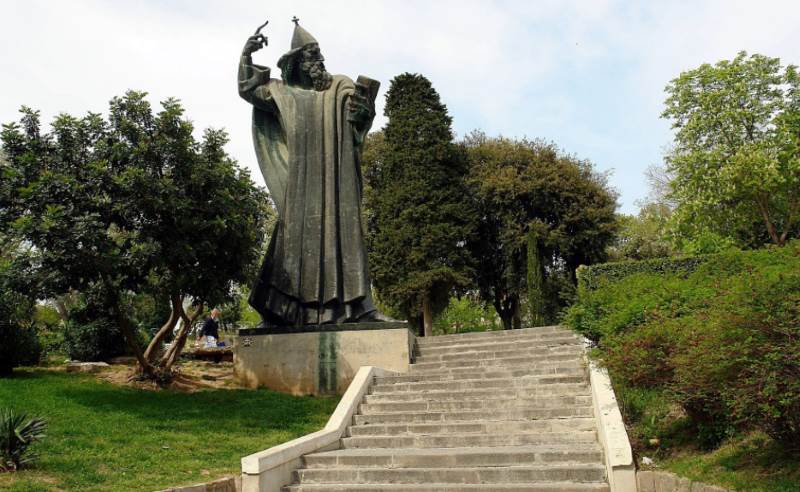
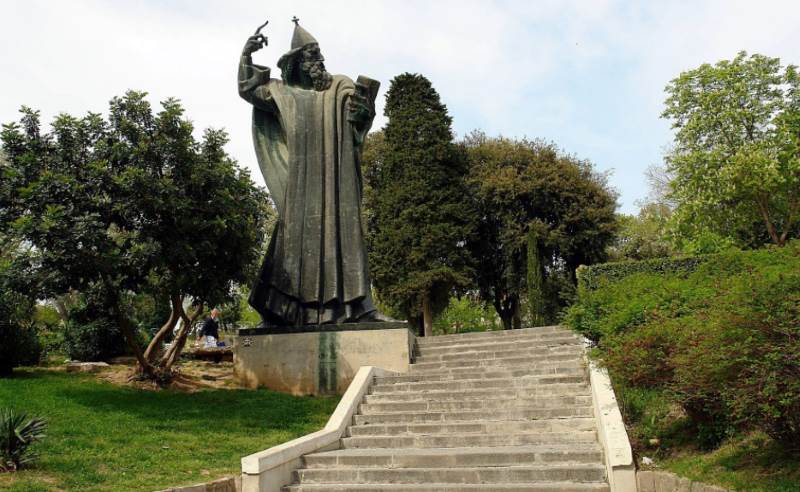
The brave Grgur has remained remembered among the people as a hero, so our great artist – the sculptor Ivan Meštrović – decided to create a series of large monuments depicting him.
One statue each is found in Varaždin, Nin and Split, with the one in Split certainly being the most famous. The statue in Split was erected on 29 September 1929 on the Peristyle. Split received its version of Gregory of Nin despite strong objections from part of the city's population. Among them, the famous conservator and archaeologist Don Frane Bulić stood out in particular. Still, in 1954 the monument was moved to its present location – between the Golden Gate and the Đardin park.
Gregory of Nin was chancellor of the Croatian royal court, and one of the most significant bishops of Nin of all. He held the see in Nin around 900–929, during which time he became known as the chief advocate of the Old Slavic language, the national Glagolitic script, and Glagolitic liturgy.
 When Tomislav was proclaimed king in 925, Bishop Gregory of Nin held the leading supreme ecclesiastical authority in the Croatian state. At the church council held that same year in Split, he fought together with King Tomislav for liturgy in the Croatian (Slavic) language and for the use of Glagolitic script.
Tomislav supported the historic right of the Church of Salona, in order to avoid a schism, but the council's conclusions were never confirmed by the then Pope John X. Indeed, the council's conclusions were supposed to be confirmed by Pope John X, which he did not do, because various reports and letters had reached him, and the Pope and the Dalmatian bishops imposed their conclusions through indirect pressure, forbidding the ordination of priests who "use the Slavic language to serve God".
Instead of introducing the Slavic language, Gregory of Nin was left without a diocese and metropolitanate, and at a second council, also held in Split in 928, the Diocese of Nin was abolished, and Gregory of Nin was assigned the Diocese of Skradin. At the same council, church authority over the whole of Croatia and Dalmatia was handed over to the Archbishop of Split. The ordination of priests who celebrated Mass in Old Croatian (for all who did not know Latin) was forbidden, and Latin officially became the liturgical language. Since there were very few priests who knew Latin, services continued in Old Croatian with the use of the Glagolitic script.
The monumental sculpture of Gregory of Nin was erected in 1929 in front of the Split cathedral, on the Peristyle of Diocletian's Palace. It was removed during the Second World War, to be returned again after the war, but this time in front of the northern city gate.
A smaller replica of the Varaždin statue was placed in Nin on 10 September 1969, to mark the celebration of the 900th anniversary of the issuing of the charter of the Croatian king Petar Krešimir IV, in which the term Mare Nostrum (our sea) first appears as evidence of the king's authority over both sea and land.
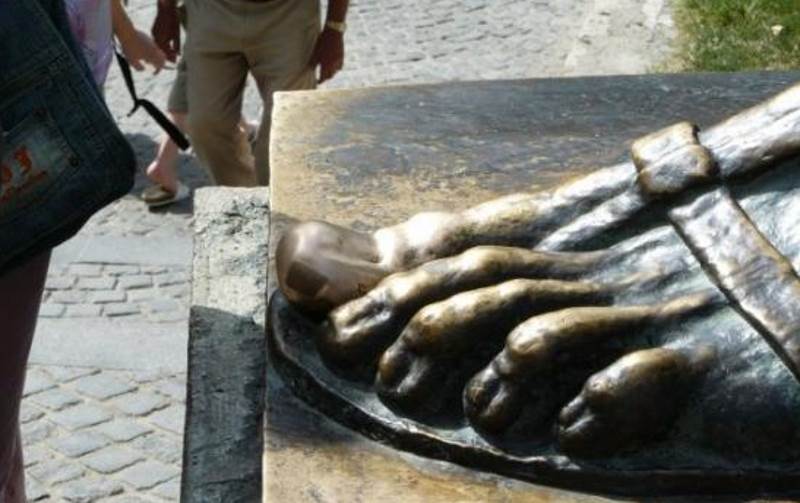 An interesting legend accompanies the statue of Gregory of Nin. According to the legend – if you touch the thumb of the bronze statue of Gregory of Nin, you are guaranteed good luck. At least, so tradition says, and many have tried it, which is best proven by the worn-down thumb on this statue.
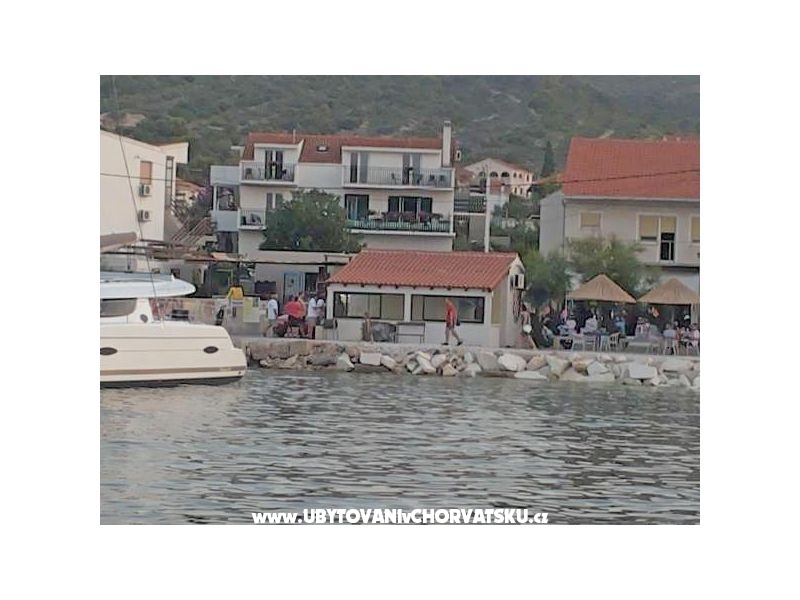 Apartments SILVA /SplitCapacity: 4-8 · To the sea: 20 mView offer
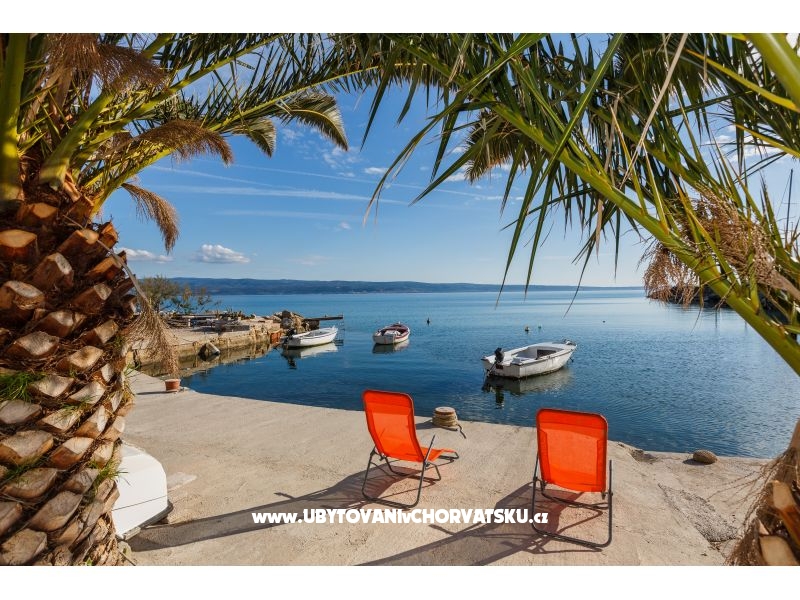 Apartman JadroSplitCapacity: 2-4 · To the sea: 5 mfrom 15 € per person / nightView offer
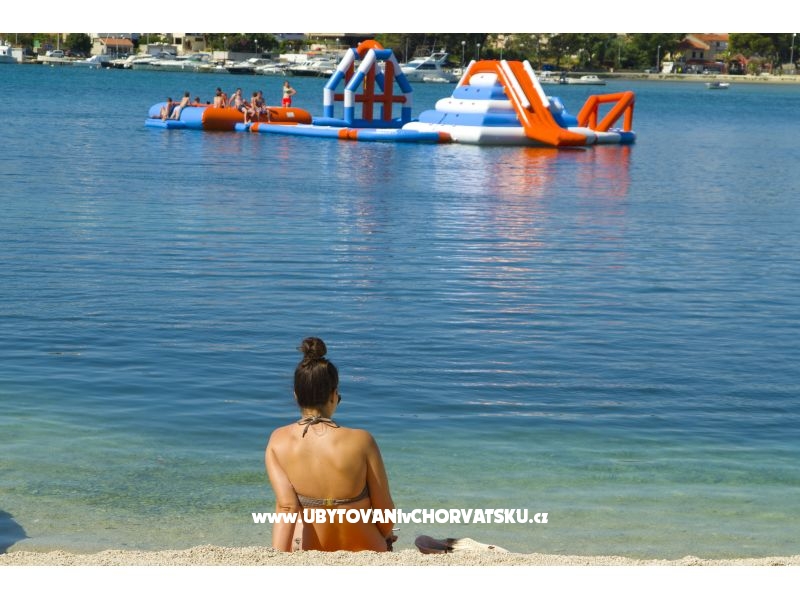 Apartman AnicaSplitCapacity: 4 · To the sea: 200 mfrom 20 € per person / nightView offer
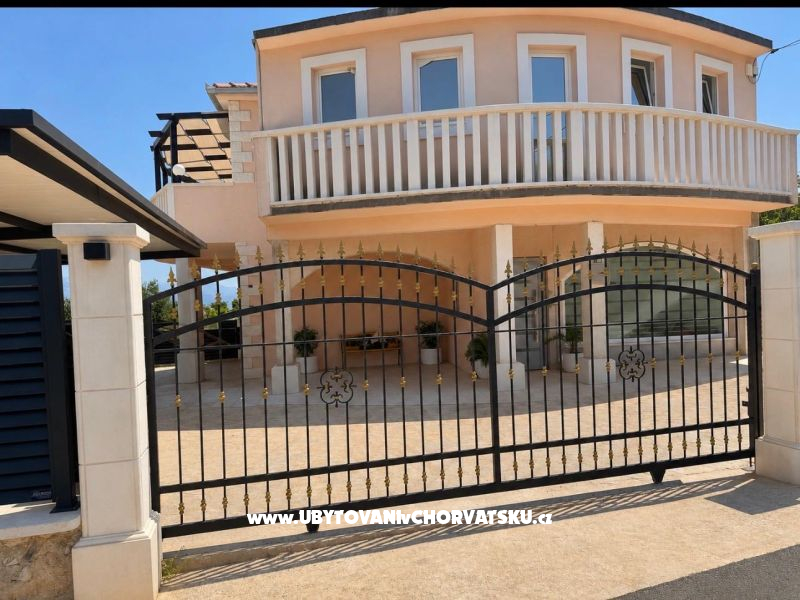 Ivona ApartmentsSplitCapacity: 6 · To the sea: 50 mView offer
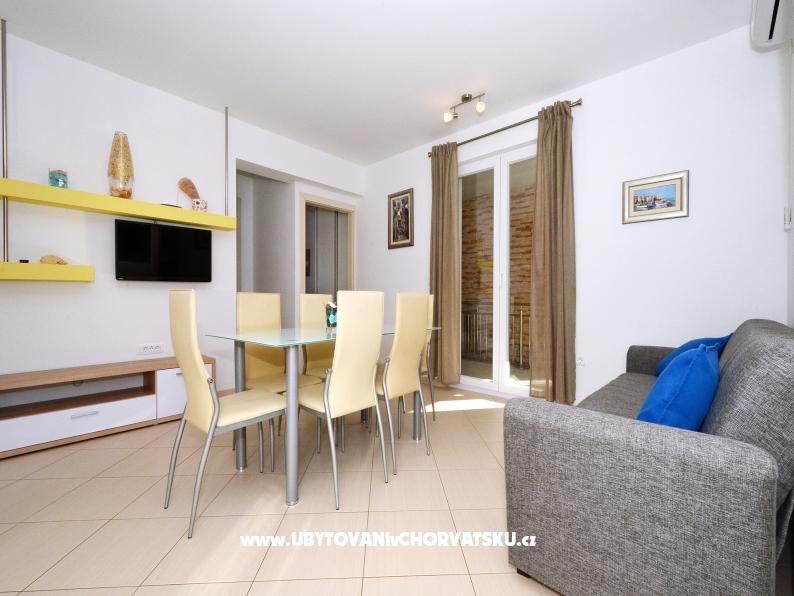 Lobster ApartmentsSplitCapacity: 3-23 · To the sea: 400 mfrom 20 € per person / nightView offer
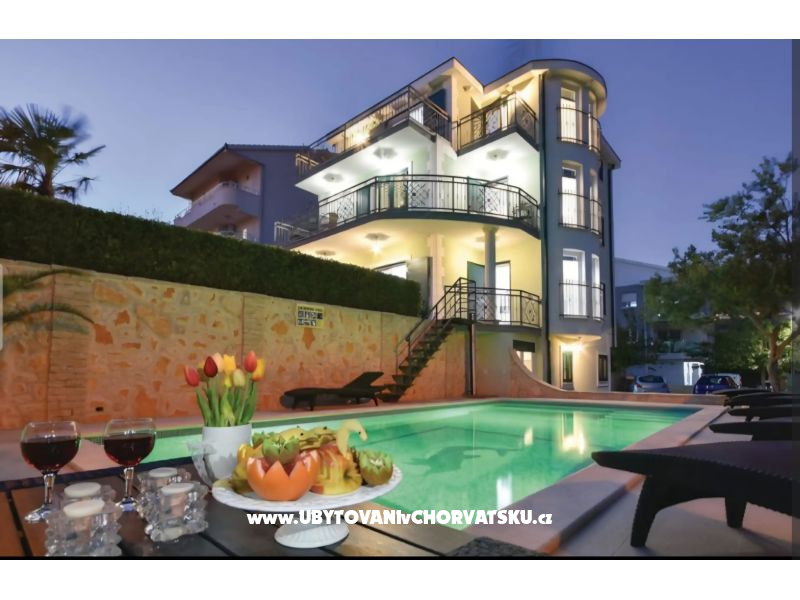 Green paradise villaSplitCapacity: 4-11 · To the sea: 1 kmView offer
Who was Gregory of Nin and how did he come to Split?
Gregory of Nin was chancellor of the Croatian royal court, and one of the most significant bishops of Nin of all. He held the see in Nin around 900–929, during which time he became known as the chief advocate of the Old Slavic language, the national Glagolitic script, and Glagolitic liturgy.
When Tomislav was proclaimed king in 925, Bishop Gregory of Nin held the leading supreme ecclesiastical authority in the Croatian state. At the church council held that same year in Split, he fought together with King Tomislav for liturgy in the Croatian (Slavic) language and for the use of Glagolitic script.Tomislav supported the historic right of the Church of Salona, in order to avoid a schism, but the council's conclusions were never confirmed by the then Pope John X. Indeed, the council's conclusions were supposed to be confirmed by Pope John X, which he did not do, because various reports and letters had reached him, and the Pope and the Dalmatian bishops imposed their conclusions through indirect pressure, forbidding the ordination of priests who "use the Slavic language to serve God".
Instead of introducing the Slavic language, Gregory of Nin was left without a diocese and metropolitanate, and at a second council, also held in Split in 928, the Diocese of Nin was abolished, and Gregory of Nin was assigned the Diocese of Skradin. At the same council, church authority over the whole of Croatia and Dalmatia was handed over to the Archbishop of Split. The ordination of priests who celebrated Mass in Old Croatian (for all who did not know Latin) was forbidden, and Latin officially became the liturgical language. Since there were very few priests who knew Latin, services continued in Old Croatian with the use of the Glagolitic script.
The sculpture of Gregory of Nin in Split
The monumental sculpture of Gregory of Nin was erected in 1929 in front of the Split cathedral, on the Peristyle of Diocletian's Palace. It was removed during the Second World War, to be returned again after the war, but this time in front of the northern city gate.
A smaller replica of the Varaždin statue was placed in Nin on 10 September 1969, to mark the celebration of the 900th anniversary of the issuing of the charter of the Croatian king Petar Krešimir IV, in which the term Mare Nostrum (our sea) first appears as evidence of the king's authority over both sea and land.
The thumb of Gregory of Nin
An interesting legend accompanies the statue of Gregory of Nin. According to the legend – if you touch the thumb of the bronze statue of Gregory of Nin, you are guaranteed good luck. At least, so tradition says, and many have tried it, which is best proven by the worn-down thumb on this statue.Private accommodation in Split – directly from the owners
All accommodation in Split →Apartments SILVA /SplitCapacity: 4-8 · To the sea: 20 mView offerApartman JadroSplitCapacity: 2-4 · To the sea: 5 mfrom 15 € per person / nightView offerApartman AnicaSplitCapacity: 4 · To the sea: 200 mfrom 20 € per person / nightView offerIvona ApartmentsSplitCapacity: 6 · To the sea: 50 mView offerLobster ApartmentsSplitCapacity: 3-23 · To the sea: 400 mfrom 20 € per person / nightView offerGreen paradise villaSplitCapacity: 4-11 · To the sea: 1 kmView offerFollow us on Facebook for more articles about Croatia. Share this article using the buttons on the right. Thank you!
Upgrade this article
Bio si na ovom mjestu? Podijeli s nama svoja iskustva ili fotografije.
Napiši svoju verziju članka. Nagrađujemo vlasnike apartmana.