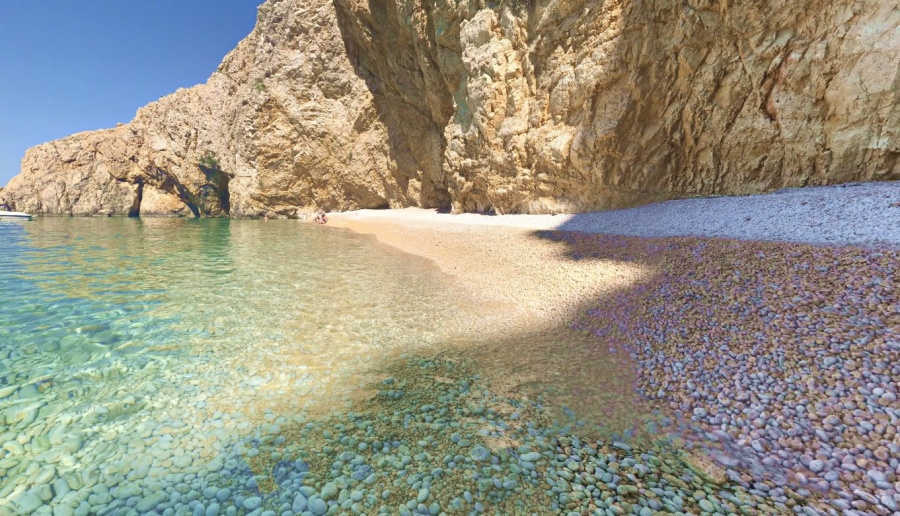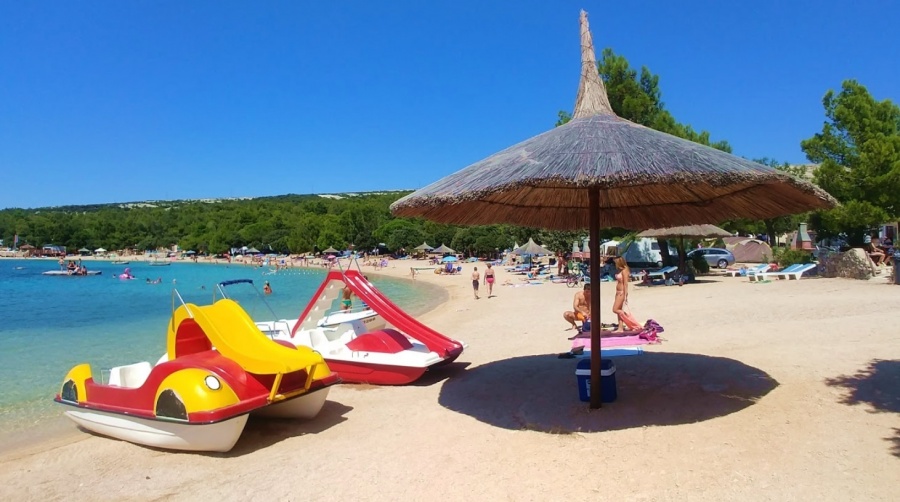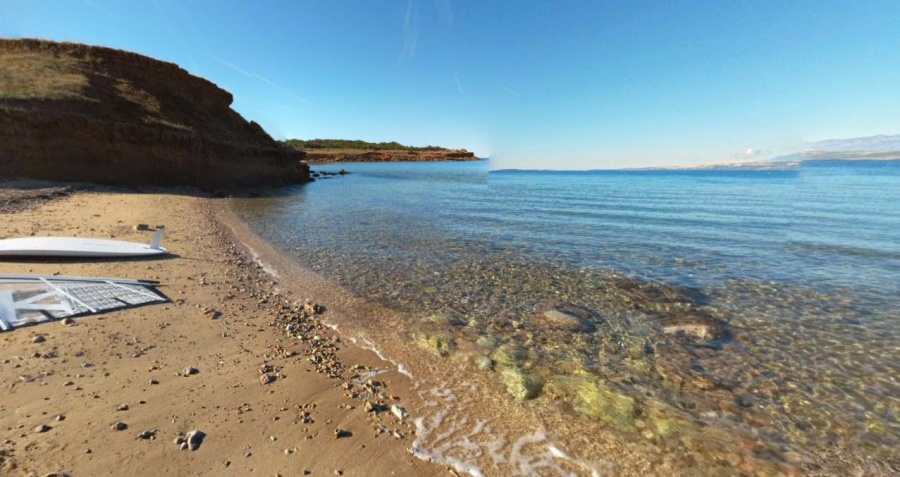


Mljet National Park was declared on 11 November 1960, and in terms of area it covers the north-western part of the island of Mljet, as well as the surrounding part of the sea.
Mljet National Park represents the first institutionalised attempt to protect an original ecosystem on the Adriatic.
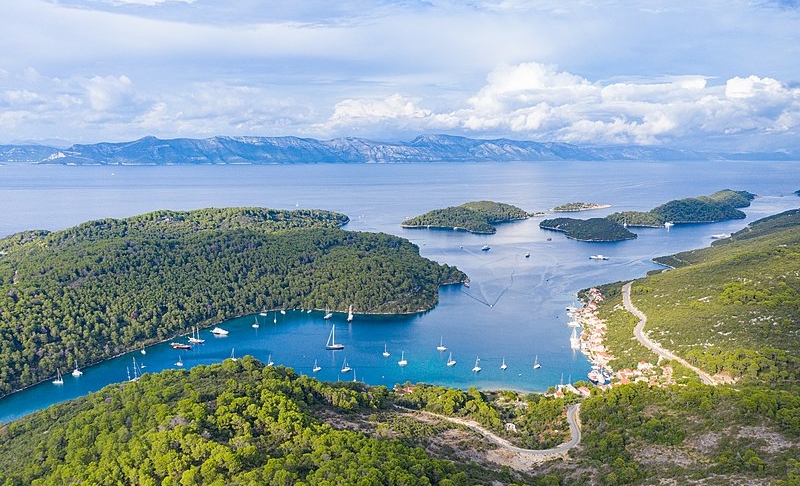
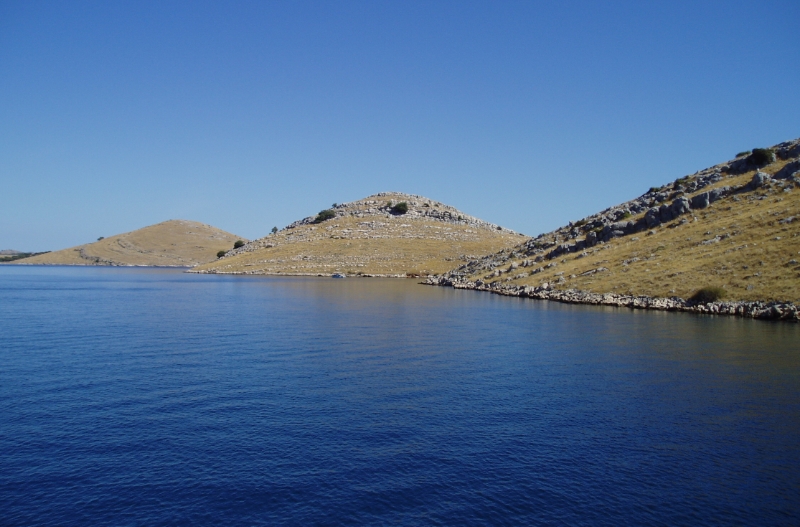
In terms of area, the park covers the western third of the island of Mljet. The park's boundaries extend from the area of Crna Klada to the westernmost point of the island, Cape Goli. The national park also includes several settlements: Polače (the main tourist and passenger port), Goveđari (the oldest settlement at the Lakes), Soline (a small place at the entrance to the Great Lake), Pristanište (a place with a post office and the national park administration) and Pomena (the place with the island's only hotel).
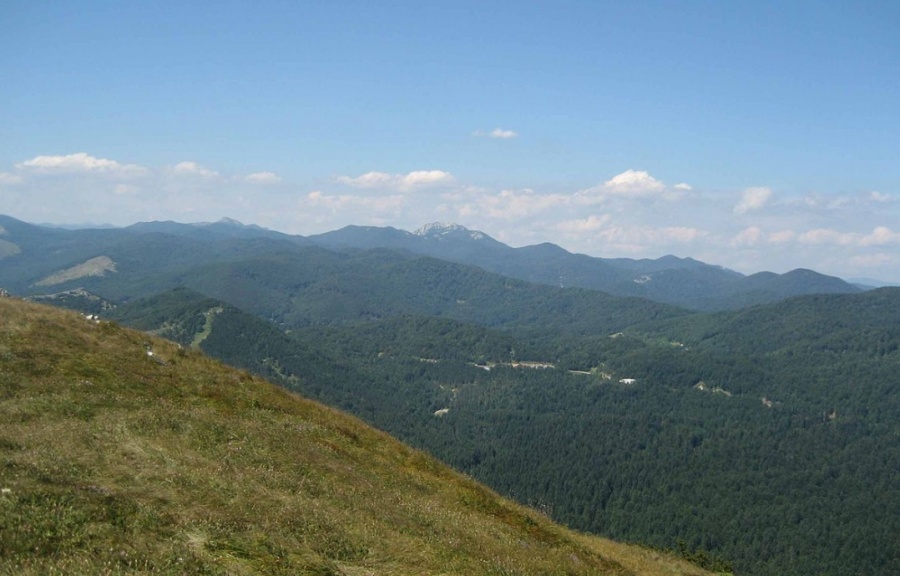
The island of Mljet is often also called the green island, which in fact speaks to its rich and diverse plant life. The vegetation of Mljet National Park is lush and varied, consisting mostly of Aleppo pine forests, as well as various low-growing plants and vegetation that cover the island's surface. The Aleppo pine forest is found around the lakes, and is considered the best-preserved and most beautiful forest of this kind in the Mediterranean. Besides the plant species already mentioned, it is certainly worth noting that the island of Mljet is also rich in numerous endemic species, among which the best known are the Dubrovnik zečina, Jupiter's beard and the tree spurge.
The island of Mljet is today best known for an animal that, in fact, does not even belong on the island. Namely, in 1909 the Indian mongoose was brought to the island with the aim of freeing it from snakes. This voracious animal did the job very well, but due to a lack of its original prey, the mongoose today causes problems and destroys poultry and smaller game that are original inhabitants of the island. Because of this, the island's land fauna is today very poor, and on the island it is almost impossible to find a venomous snake. Besides the mongoose, the island of Mljet is home to larger game such as wild boar, fallow deer and mouflon. The underwater world has remained rich, however, so it is easy to find various kinds of white fish, blue fish, shellfish and crabs.
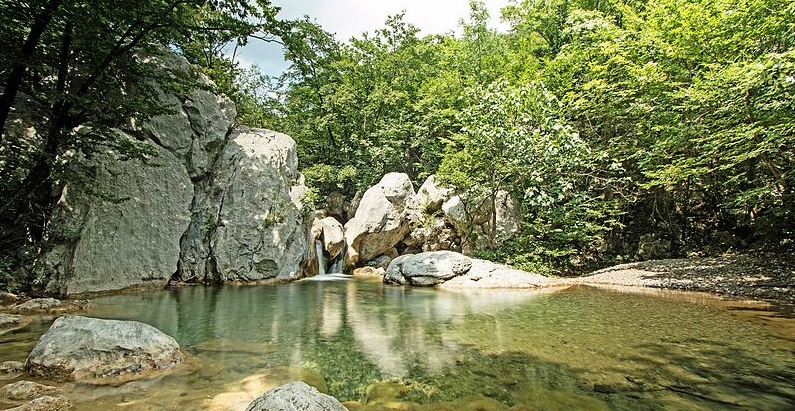
The Great Lake is actually a bay that is connected to the open sea near Soline. It was formed by the flooding of a karst field. The Great Lake covers an area of almost one and a half (1.45) square kilometres, with a maximum length of 2.5 kilometres and a width of 1 kilometre. The lake is quite deep, with its deepest point at 46 metres. As we have already mentioned, the Great Lake connects to the open sea via a fairly long and wide channel. At the point where the lake meets the sea is the Great Bridge, and from that point it widens into the Soline Channel, from where it further connects to the open sea. Near the bridge you can see an old Benedictine mill, which was powered by the current and was used for salt production – which is how the place Soline got its name. It is interesting to mention that the Great Bridge was deliberately demolished in 1958 – so that the president of the SFRY, Josip Broz Tito, could enter the lake with his yacht.
Besides the Great Lake, the island also has the Small Lake, in the north-western part of the Great Lake. The two lakes are connected by a channel 30 metres long, which is at most half a metre deep. The channel is located at a spot called the Small Bridge. The Small Lake covers an area of 0.25 square kilometres, with a maximum depth of 29 metres. The sea exchanges only weakly in the Small Lake, so it has the character of a lagoon.
If you decide to visit Mljet and tour the park, you can do so throughout the whole year. During the tourist season the park is open from 08:00 to 20:00, while in the winter period guests may come by prior notice.
If you opt for an organised visit to the park, minibus transport will be available to you, and you can also choose the type of guided tour of the park. The standard guided tour lasts 2 hours, but you can also opt for a half-day or full-day tour, including rest and meals that are part of the organised visit.
It is also possible to organise VIP tours of the park, as well as walking and cycling tours.
The only hotel on the island is located in the settlement of Pomena – Hotel Odisej. For accommodation and reservations, it is best to contact the hotel reception, or to contact the Tourist Board of the Municipality of Mljet at the telephone number:
020/746-025 Goveđari branch office
National Park area tel.: +385(0)20-744186, fax: +385(0)20-744086
Besides hotel accommodation, there is a sufficient number of private apartments and villas available on the island. Look for the best apartment for yourself and head to Mljet.
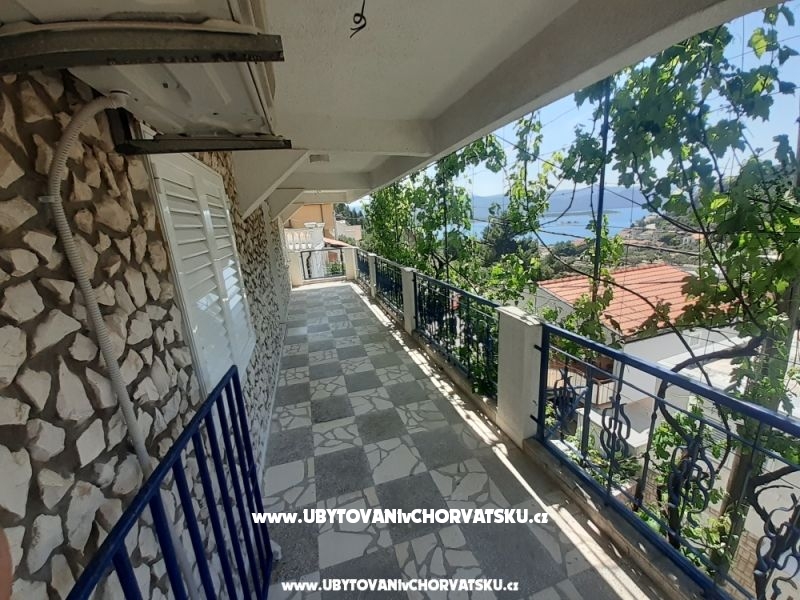 Apartmani LunaKlekCapacity: 2-10 · To the sea: 300 mfrom 40 € per person / nightView offer
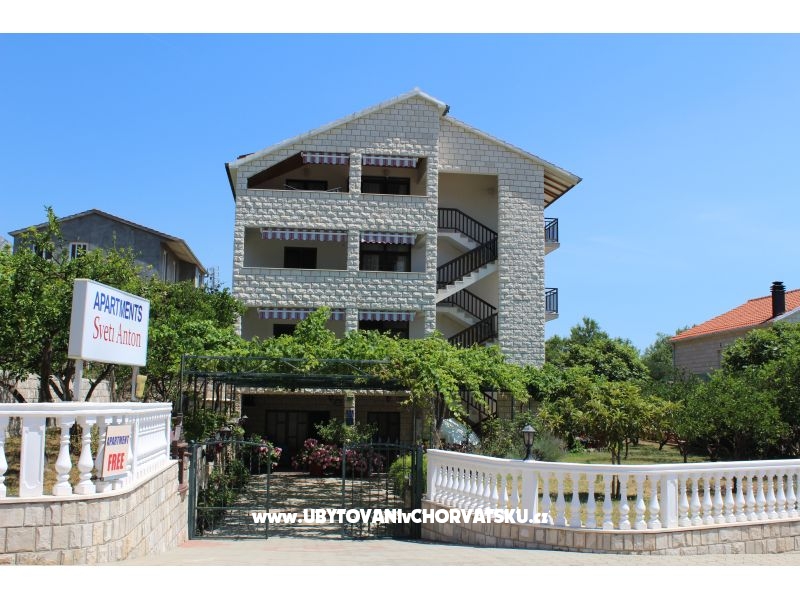 Apartments Sveti Anton OrebicOrebić – PelješacCapacity: 2-37 · To the sea: 400 mfrom 10 € per person / nightView offer
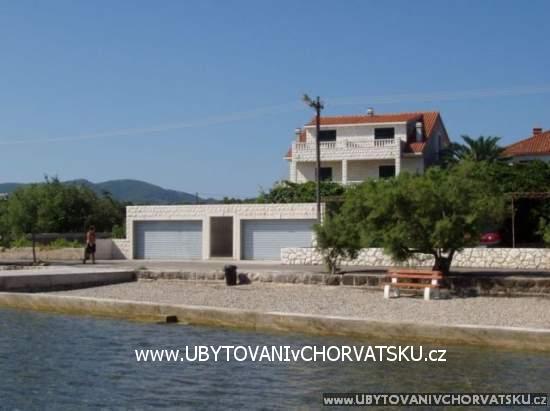 Villa ElzaSreserCapacity: 4-16 · To the sea: 15 mView offer
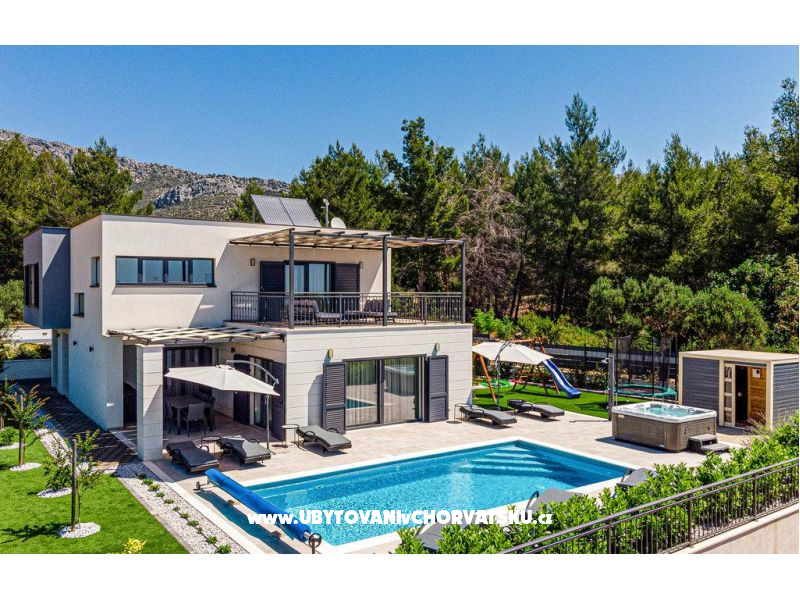 Vila MaslinaOrebić – PelješacCapacity: 8 · To the sea: 200 mView offer
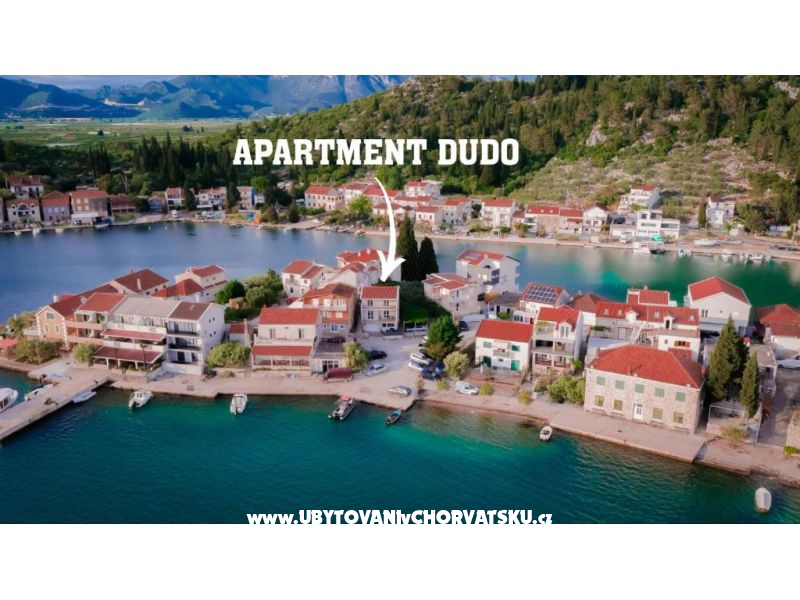 Apartment DuDoBlaceCapacity: 2-10 · To the sea: 20 mView offer
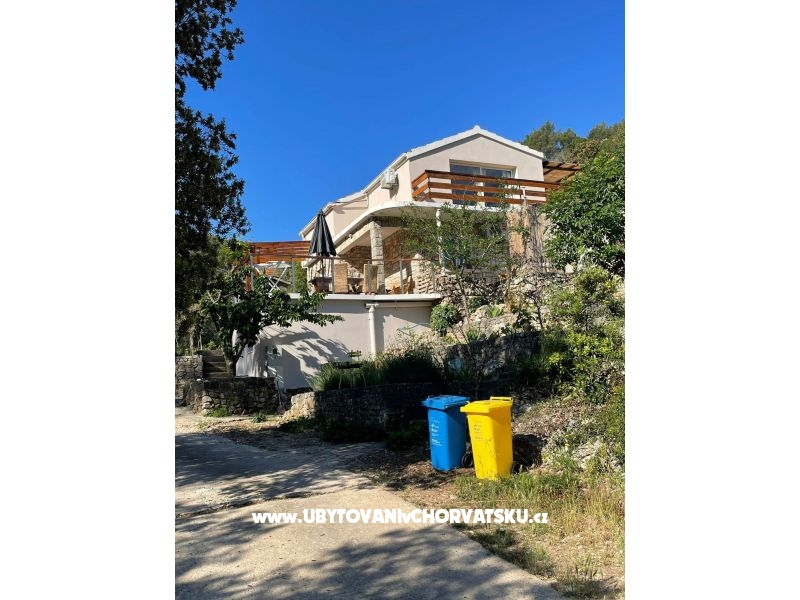 Tina's houseVela LukaCapacity: 2-11 · To the sea: 80 mView offer
Mljet National Park represents the first institutionalised attempt to protect an original ecosystem on the Adriatic.
In terms of area, the park covers the western third of the island of Mljet. The park's boundaries extend from the area of Crna Klada to the westernmost point of the island, Cape Goli. The national park also includes several settlements: Polače (the main tourist and passenger port), Goveđari (the oldest settlement at the Lakes), Soline (a small place at the entrance to the Great Lake), Pristanište (a place with a post office and the national park administration) and Pomena (the place with the island's only hotel).
Plant life of the park
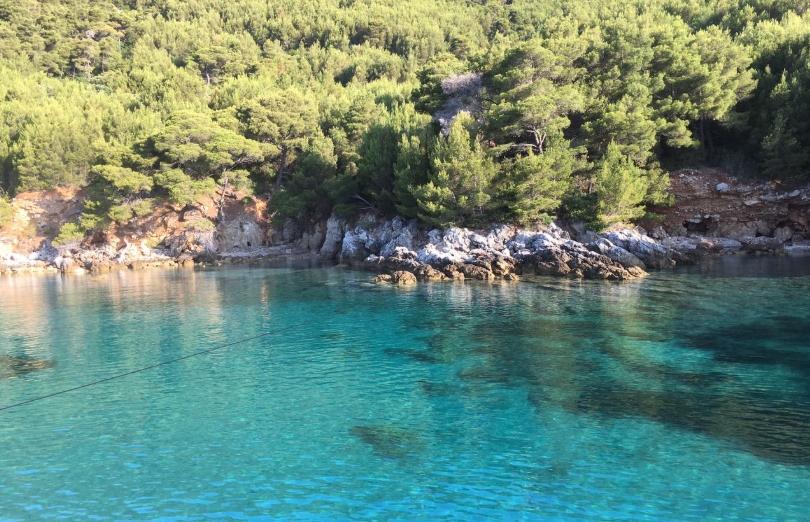
The island of Mljet is often also called the green island, which in fact speaks to its rich and diverse plant life. The vegetation of Mljet National Park is lush and varied, consisting mostly of Aleppo pine forests, as well as various low-growing plants and vegetation that cover the island's surface. The Aleppo pine forest is found around the lakes, and is considered the best-preserved and most beautiful forest of this kind in the Mediterranean. Besides the plant species already mentioned, it is certainly worth noting that the island of Mljet is also rich in numerous endemic species, among which the best known are the Dubrovnik zečina, Jupiter's beard and the tree spurge.
Animal life of Mljet National Park
The island of Mljet is today best known for an animal that, in fact, does not even belong on the island. Namely, in 1909 the Indian mongoose was brought to the island with the aim of freeing it from snakes. This voracious animal did the job very well, but due to a lack of its original prey, the mongoose today causes problems and destroys poultry and smaller game that are original inhabitants of the island. Because of this, the island's land fauna is today very poor, and on the island it is almost impossible to find a venomous snake. Besides the mongoose, the island of Mljet is home to larger game such as wild boar, fallow deer and mouflon. The underwater world has remained rich, however, so it is easy to find various kinds of white fish, blue fish, shellfish and crabs.
The Great Lake on Mljet
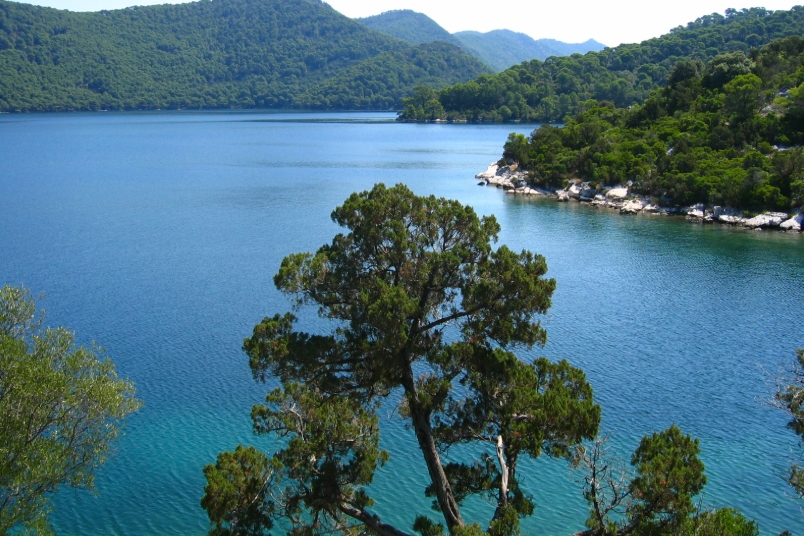
The Great Lake is actually a bay that is connected to the open sea near Soline. It was formed by the flooding of a karst field. The Great Lake covers an area of almost one and a half (1.45) square kilometres, with a maximum length of 2.5 kilometres and a width of 1 kilometre. The lake is quite deep, with its deepest point at 46 metres. As we have already mentioned, the Great Lake connects to the open sea via a fairly long and wide channel. At the point where the lake meets the sea is the Great Bridge, and from that point it widens into the Soline Channel, from where it further connects to the open sea. Near the bridge you can see an old Benedictine mill, which was powered by the current and was used for salt production – which is how the place Soline got its name. It is interesting to mention that the Great Bridge was deliberately demolished in 1958 – so that the president of the SFRY, Josip Broz Tito, could enter the lake with his yacht.
Besides the Great Lake, the island also has the Small Lake, in the north-western part of the Great Lake. The two lakes are connected by a channel 30 metres long, which is at most half a metre deep. The channel is located at a spot called the Small Bridge. The Small Lake covers an area of 0.25 square kilometres, with a maximum depth of 29 metres. The sea exchanges only weakly in the Small Lake, so it has the character of a lagoon.
Experience Mljet in its full splendour
If you decide to visit Mljet and tour the park, you can do so throughout the whole year. During the tourist season the park is open from 08:00 to 20:00, while in the winter period guests may come by prior notice.
If you opt for an organised visit to the park, minibus transport will be available to you, and you can also choose the type of guided tour of the park. The standard guided tour lasts 2 hours, but you can also opt for a half-day or full-day tour, including rest and meals that are part of the organised visit.
It is also possible to organise VIP tours of the park, as well as walking and cycling tours.
Accommodation on the island of Mljet
The only hotel on the island is located in the settlement of Pomena – Hotel Odisej. For accommodation and reservations, it is best to contact the hotel reception, or to contact the Tourist Board of the Municipality of Mljet at the telephone number:
020/746-025 Goveđari branch office
National Park area tel.: +385(0)20-744186, fax: +385(0)20-744086
Private accommodation
Besides hotel accommodation, there is a sufficient number of private apartments and villas available on the island. Look for the best apartment for yourself and head to Mljet.
Mljet National Park
Private accommodation in Croatia – directly from the owners
Search accommodation in Croatia →Apartmani LunaKlekCapacity: 2-10 · To the sea: 300 mfrom 40 € per person / nightView offerApartments Sveti Anton OrebicOrebić – PelješacCapacity: 2-37 · To the sea: 400 mfrom 10 € per person / nightView offerVilla ElzaSreserCapacity: 4-16 · To the sea: 15 mView offerVila MaslinaOrebić – PelješacCapacity: 8 · To the sea: 200 mView offerApartment DuDoBlaceCapacity: 2-10 · To the sea: 20 mView offerTina's houseVela LukaCapacity: 2-11 · To the sea: 80 mView offerFollow us on Facebook for more articles about Croatia. Share this article using the buttons on the right. Thank you!

Upgrade this article
Bio si na ovom mjestu? Podijeli s nama svoja iskustva ili fotografije.
Napiši svoju verziju članka. Nagrađujemo vlasnike apartmana.