
Rezerviraj.hr dodaje
19.03.2018. 01:02
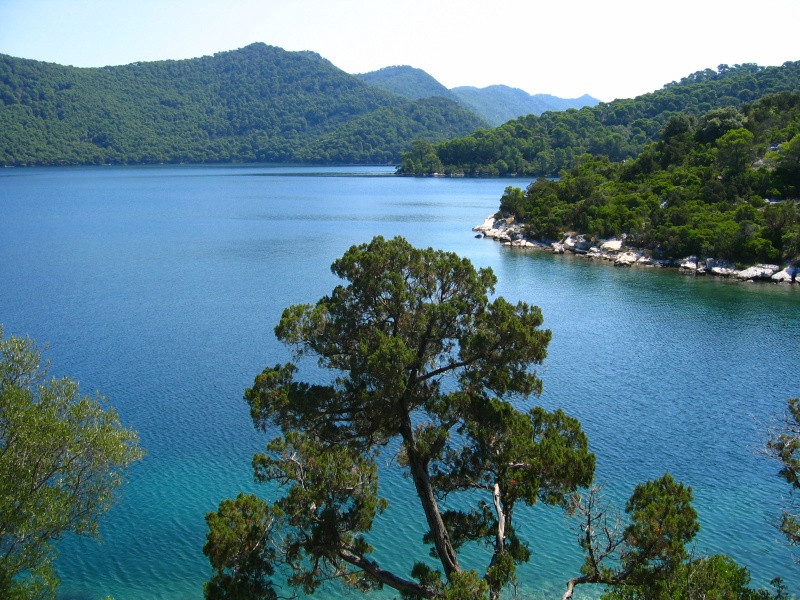
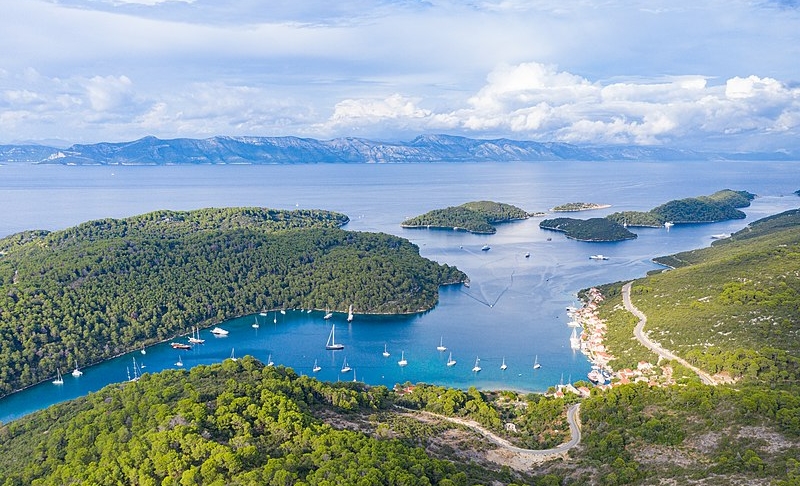
Mljet National Park abounds in plant and animal life (flora and fauna). The island's distinctive features are its rich wooded area, crystal-clear sea and karst underground habitats, caves and pits in which the greatest number of endemic species is found, for example: Strouhaloniscus meledensis, Pergamasus meledensis, Otiorrhynchus meledanus and Meledella werneri.
On Mljet there are five species of snakes and six species of lizards. The snakes have been significantly thinned out by the arrival of the Indian mongoose on the island.
Mljet is the natural habitat of two unique species. The Mediterranean monk seal, which is an endangered species, and a jellyfish of the Aurelia family that lives in the Small Lake and cannot be found anywhere else in the world. Of the larger game, wild boar, fallow deer and mouflon live on Mljet.
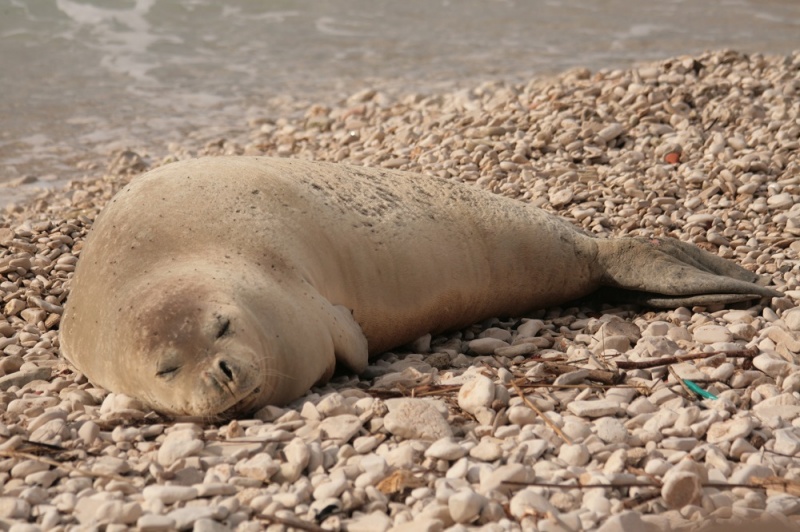
Animals for which Mljet is known
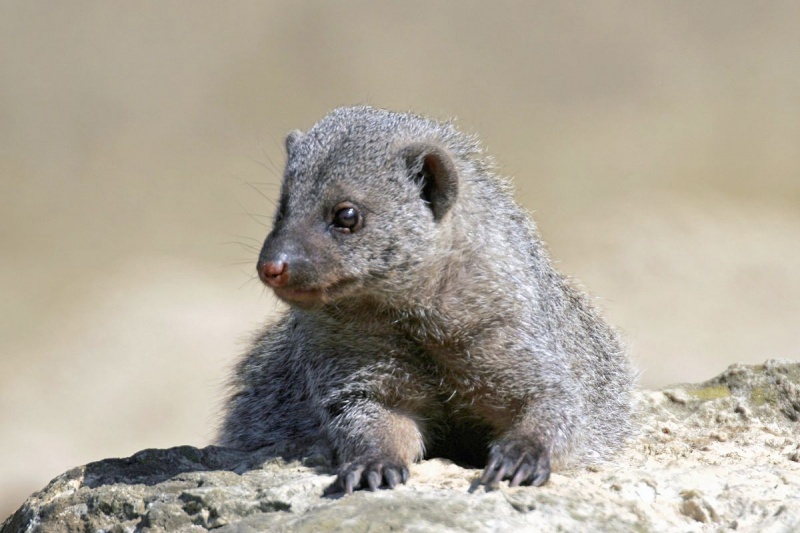
Mongoose
Mongooses belong to the family of cat-like animals, and small Indian mongooses were settled on Mljet at the beginning of the 20th century by decision of the Ministry of Agriculture in Vienna as a measure of protection against venomous snakes. As an extremely prolific species the mongooses then multiplied across the whole islet, but hunters soon realised that this is a pest that destroys the eggs of pheasants and quails and attacks smaller animals and birds, and since they are not among the protected animals they hunt them more and more, so there are fewer and fewer mongooses on the island. The mongoose on Mljet is an example of how human intervention can disturb the food chain.
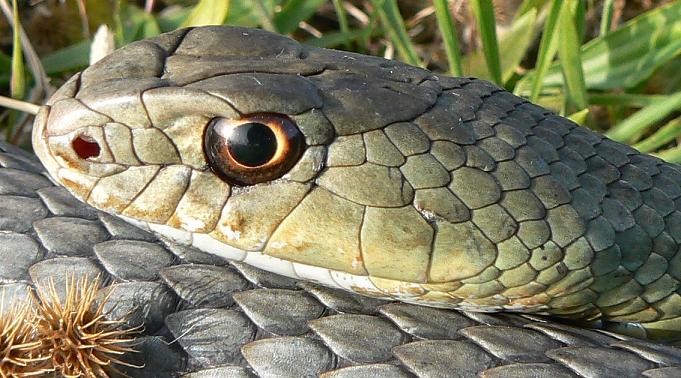
The zmajur (Caspian whipsnake)
The zmajur is a snake that is common on the island of Mljet; it can grow up to 2.5 metres and weigh up to 3 kilograms. The zmajur is also known as the fastest snake in Europe, so as such it is difficult prey even for mongooses. They mostly feed on lizards, other mammals, birds and eggs. Their bite can cause numbness, stiffness, swelling and nausea, but it is not venomous enough to kill a human.On Mljet there are five species of snakes and six species of lizards. The snakes have been significantly thinned out by the arrival of the Indian mongoose on the island.
Birds
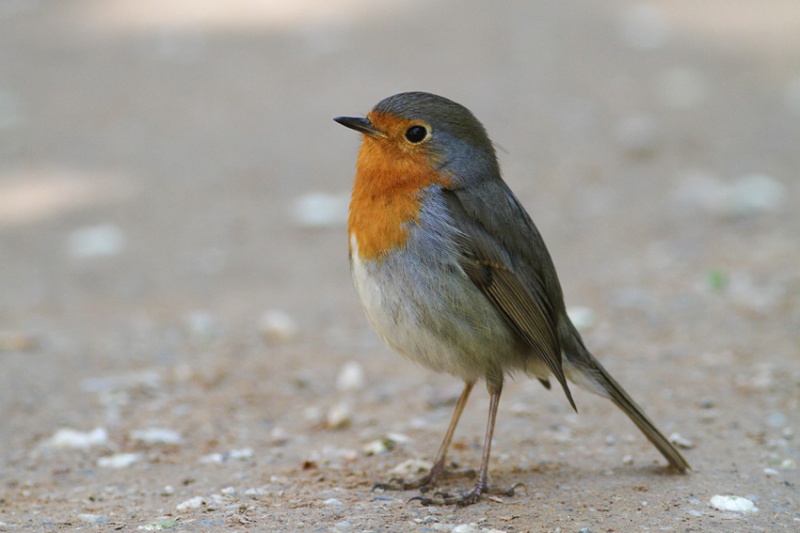
Birdlife in Mljet National Park is rich and varied, especially during migration. In the pine forests and maquis there are numerous small songbirds such as the chaffinch, robin, blackbird and nightingale. Of the birds of prey, one can see the kestrel, the sparrowhawk and the buzzard, and several species of owls. There are also partridges, geese, ducks and quails.Mljet is the natural habitat of two unique species. The Mediterranean monk seal, which is an endangered species, and a jellyfish of the Aurelia family that lives in the Small Lake and cannot be found anywhere else in the world. Of the larger game, wild boar, fallow deer and mouflon live on Mljet.
Pročitajte izvorni članak
Mljet National Park
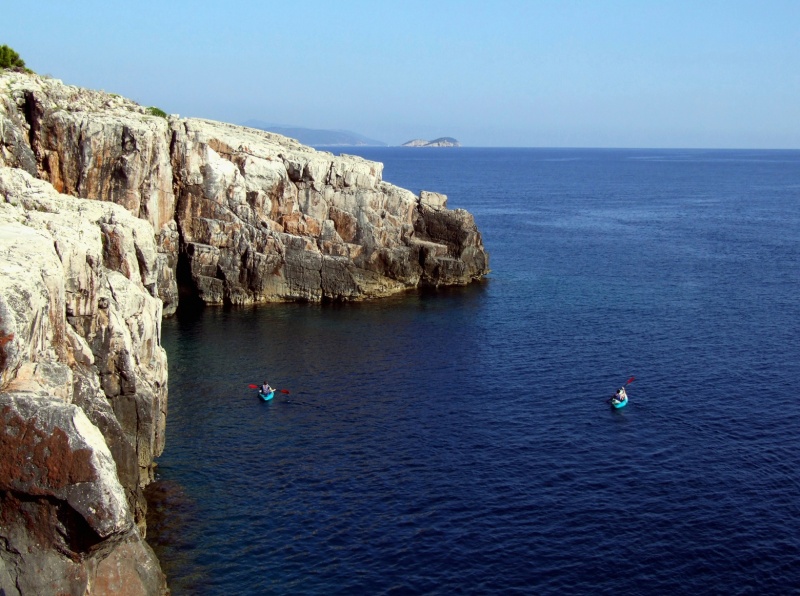
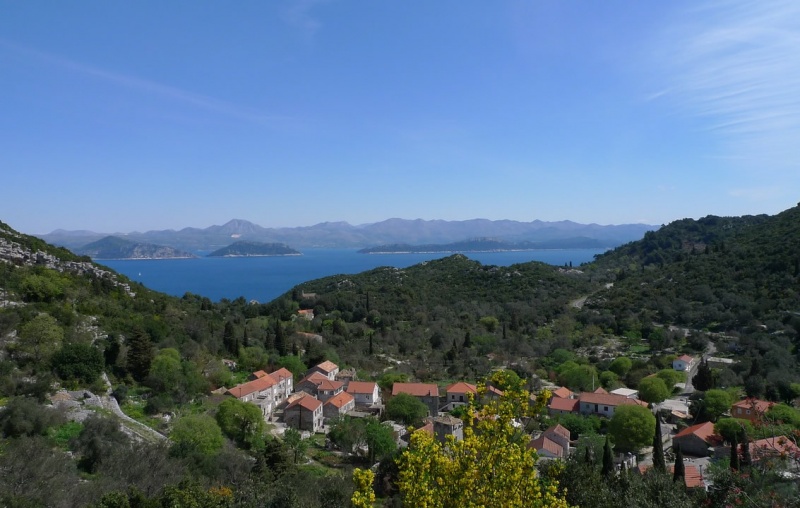
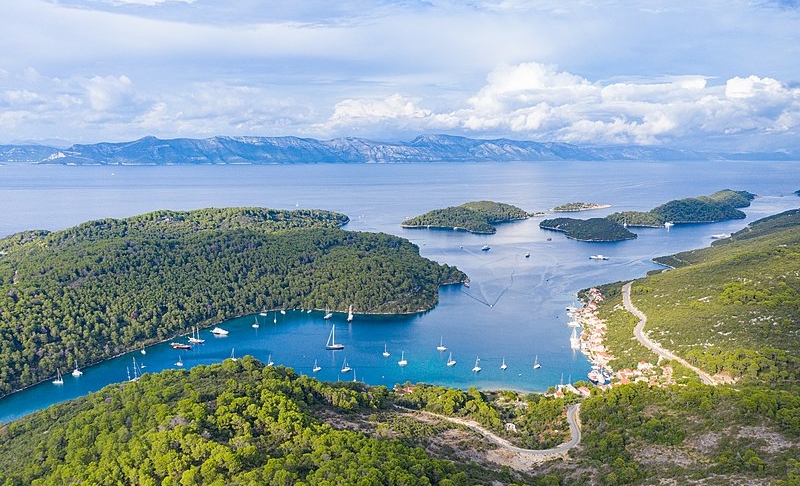
Mljet National Park was declared on 11 November 1960, and in terms of area it covers the north-western part of the island of Mljet, as well as the surrounding part of the sea.
Mljet National Park represents the first institutionalised attempt to protect an original ecosystem on the Adriatic.
In terms of area, the park covers the western third...