
Paklenica National Park
By its proclamation, Paklenica National Park is the second in Croatia. It was declared a national park back in the already distant year of 1949, more precisely on 19 October 1949. Paklenica was declared a park a few months after Plitvice Lakes National Park.
It is interesting to mention that Paklenica was first declared a National Park as early as 1929, but according to the laws of that time, the declaration had to be renewed every year – which was not done, so for years Paklenica was without National Park status.
On 7 July 2017, Paklenica National Park was also entered on the UNESCO list of World Heritage sites in Europe, as part of the joint world heritage of 13 countries under the name "Ancient and Primeval Beech Forests of the Carpathians and Other Regions of Europe".
Plant and animal life of Paklenica Park
It is certainly worth mentioning that the park abounds in plant species, among which forest communities particularly stand out. The forests are made up of stands of black pine (Pinus nigra), from whose resin, "paklina", Paklenica got its name.
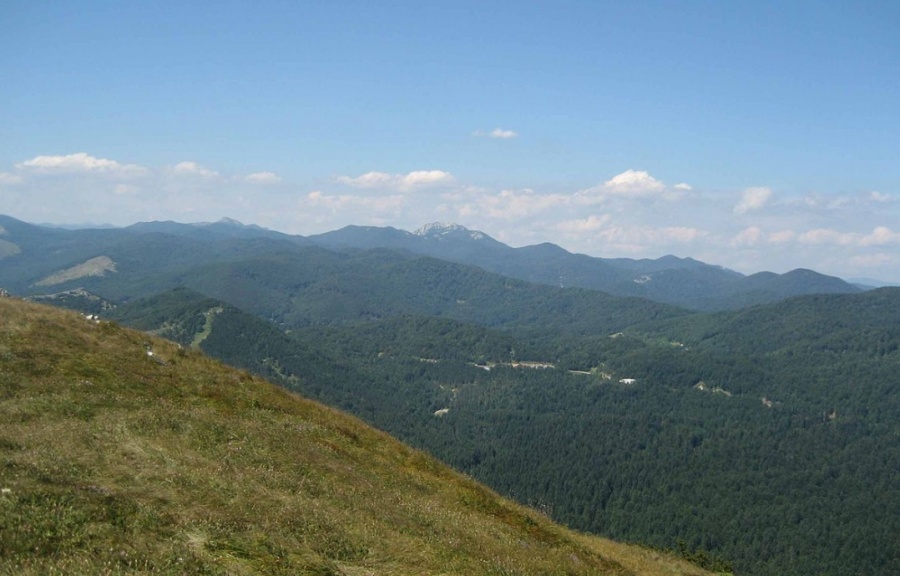
Besides pines, the forests of Paklenica are rich in beech (Fagus sylvatica), and the bir krivulja also grows there. In terms of its area, Paklenica holds the largest preserved forest complex in Dalmatia. More than half of the park is covered with vegetation, while the rest is karst relief.
As we have already mentioned, the vegetation consists of beech forests, black pine forests, and areas where the forests are mixed with the two aforementioned species. In the forests of Paklenica we also find trees of downy oak (Quercus pubescens), oriental hornbeam (Carpinus orientalis) and European hop-hornbeam (Ostrya carpinifolia).
Technical features of Paklenica National Park
NP Paklenica was declared on 19 October 1949
Paklenica National Park has an area of 95 square kilometres
The highest peaks of the park are: Vaganski vrh (altitude 1757 metres), and the peak Sveto Brdo (altitude 1753 metres).
The park has also been entered on the UNESCO list of World Heritage sites in Europe
We assume that the name "Paklenica" derives from the term "paklina" for the resin of the black pine that grows in this area. The local population used the resin in folk medicine, most often for healing wounds, but also as a torch – for lighting, and for coating wooden ships.
Visit Paklenica and tour these places
If you decide to come to NP Paklenica, be sure to visit some of the interesting places in the park. In this brief overview we will mention a few places, but we must also stress that there are many more, which you will be convinced of once you come to the park.
Manita peć Cave is a destination visited by many guests of the park. You can visit this cave accompanied by a professional guide, and the tour lasts around 30 minutes. That is enough time to learn many of the secrets of this interesting underground world. The temperature in the cave stays around 9 degrees Celsius throughout the year, so we recommend dressing warmly, regardless of the time of year you come.
A visit to the cave is only possible accompanied by a guide.
The peaks in NP Paklenica are special and attract many climbers and nature lovers. We have mentioned Vaganski vrh, which is actually also the highest peak of Mount Velebit, and thus also of Paklenica National Park. The view from the peak will enchant everyone, especially after rain, when the view reaches within a circle of 300 kilometres in diameter. You can easily take in and enjoy the view of Risnjak, Klek, and even Troglav – the highest peak of the Dinara mountains.
Another peak well worth visiting is Sveto Brdo. The peak is located at an altitude of 1751 metres, and from it there is a view of both the Lika side and the coastal side. On the peak there is a large metal cross and a plaque on which the Ten Commandments are inscribed.
We have not previously mentioned Vrh Liburnije, but that does not mean it is not worth climbing. Vrh Liburnije is located at 1709 metres above sea level, and is one of the most beautiful viewpoints on Velebit. From this peak there is a magnificent view of the entire archipelago of the central Adriatic.
Besides the peaks and the aforementioned Manita Cave, in NP Paklenica you can also enjoy the natural canyons, which will particularly delight professional climbers and people seeking adrenaline sports.
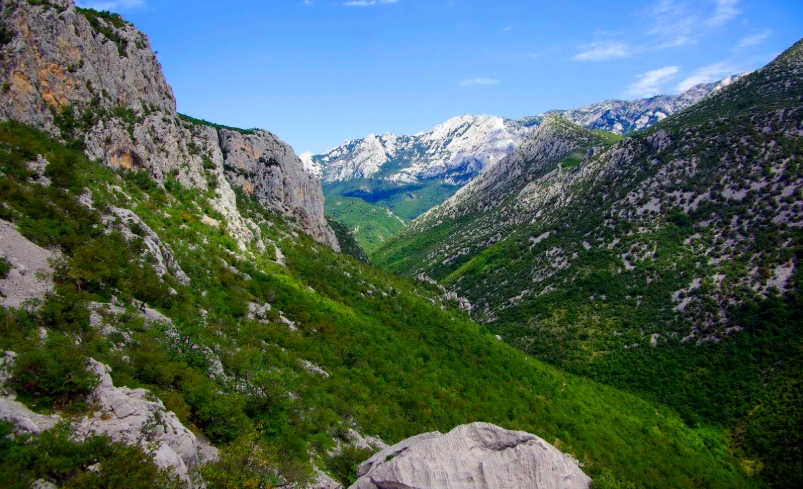
The Velika Paklenica Canyon is an ideal place for professional climbers, who are in fact also the most frequent visitors to this natural phenomenon. The valley of Velika Paklenica is a little over 14 kilometres long, and due to the specific terrain it has created a deep channel (canyon), which enchants many people today. In places the canyon is only about ten metres wide, while its depth reaches as much as 400 metres. The Velika Paklenica Canyon is considered the most attractive climbing site in Croatia, known to climbers throughout Europe and beyond.
The Mala Paklenica Canyon is a more modest replica of the Velika Paklenica Canyon. Here too many will enjoy themselves, but for a different reason – because the Mala Paklenica Canyon is a true embodiment of preserved nature and wilderness. The Mala Paklenica stream is a little over 12 kilometres long. The canyon has a length of 2 kilometres, with steep slopes that reach a height of up to 300 metres.
Due to the natural preservation and significance of Mala Paklenica, all climbing activities are most strictly forbidden.
Babino jezero Lake in Paklenica Park
Babino jezero is the only permanent lake in the area of NP Paklenica. The lake lies at the bottom of a large sinkhole, at an altitude of around 1600 metres. A hiking trail towards Vaganski vrh passes by the lake, which makes the ascent to the peak further enriched by views of the lake's natural surroundings. During the year the water level changes only slightly, and during the winter months the lake becomes frozen over. We assume that the retention of water in the lake is helped by a clay lining that has filled the cracks in the limestone.
Interesting inhabitants of the lake are alpine newts (Ichthyosaura alpestris), known as water lizards. In winter these creatures hibernate by burying themselves in the mud, among the algae and other plants at the bottom of the lake. The ice on the surface of the water protects them from excessive cold.
Private accommodation in Ražanac – directly from the owners
All accommodation in Ražanac →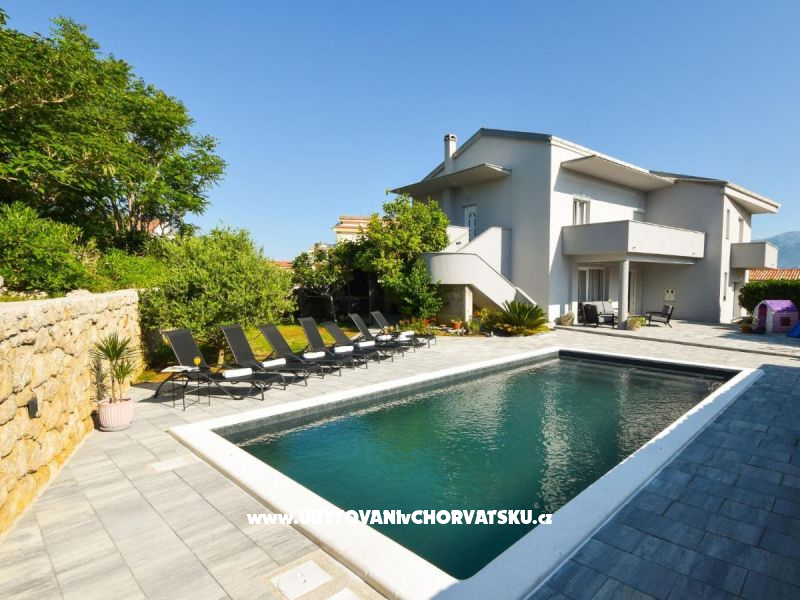 Villa Matino, RažanacRažanacCapacity: 4-11 · To the sea: 400 mView offer
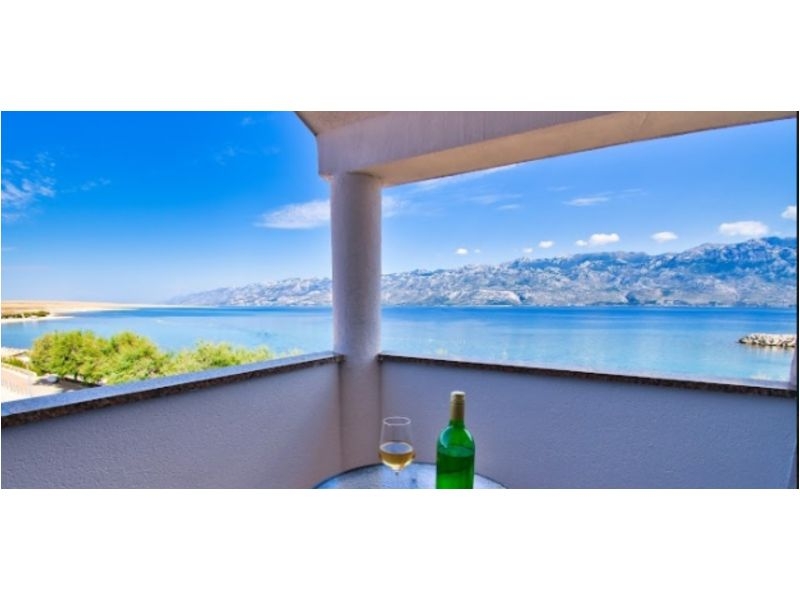 Petra ApartmaniRažanacCapacity: 2-24 · To the sea: 10 mfrom 10 € per person / nightView offer
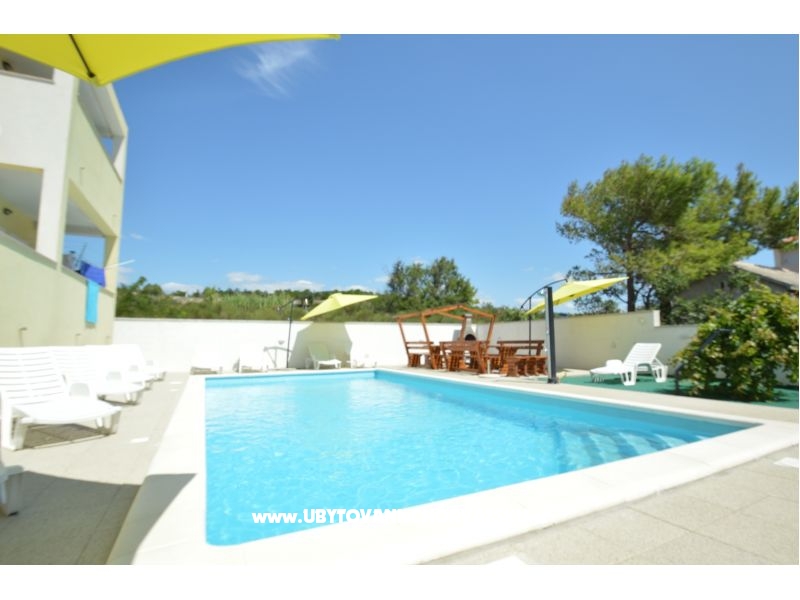 Home or Apts Miočić without ownerRažanacCapacity: 2-17 · To the sea: 200 mfrom 10 € per person / nightView offer
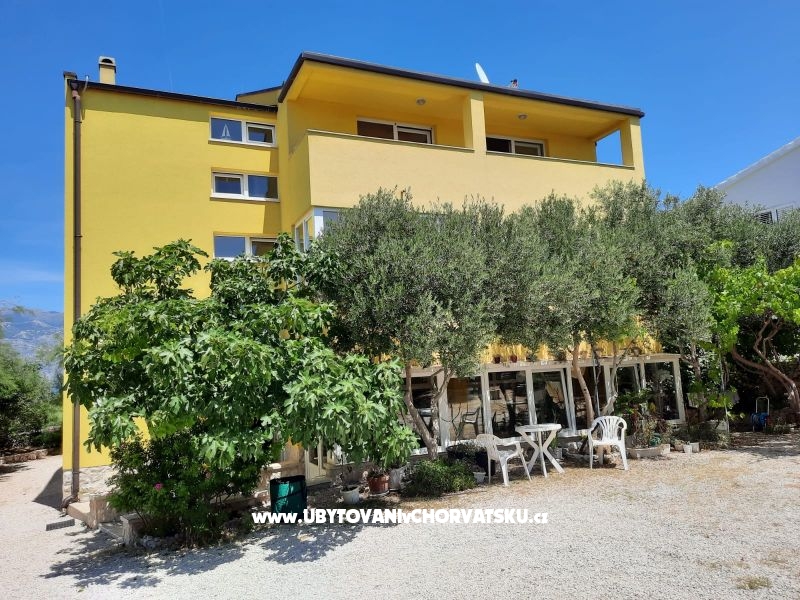 Apartmani FLOBIRažanacCapacity: 1-20 · To the sea: 300 mfrom 14,70 € per person / nightView offer
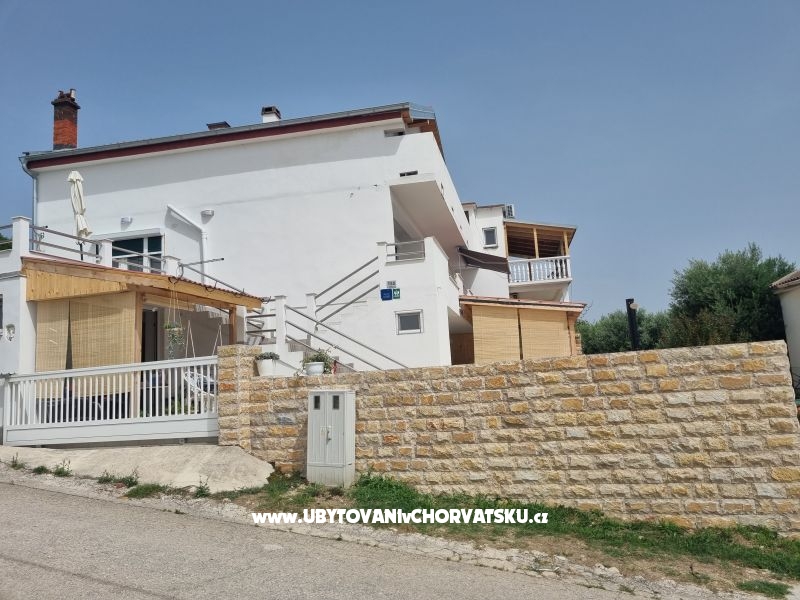 Apartmani Marin StošićRažanacCapacity: 2-8 · To the sea: 100 mfrom 10 € per person / nightView offer
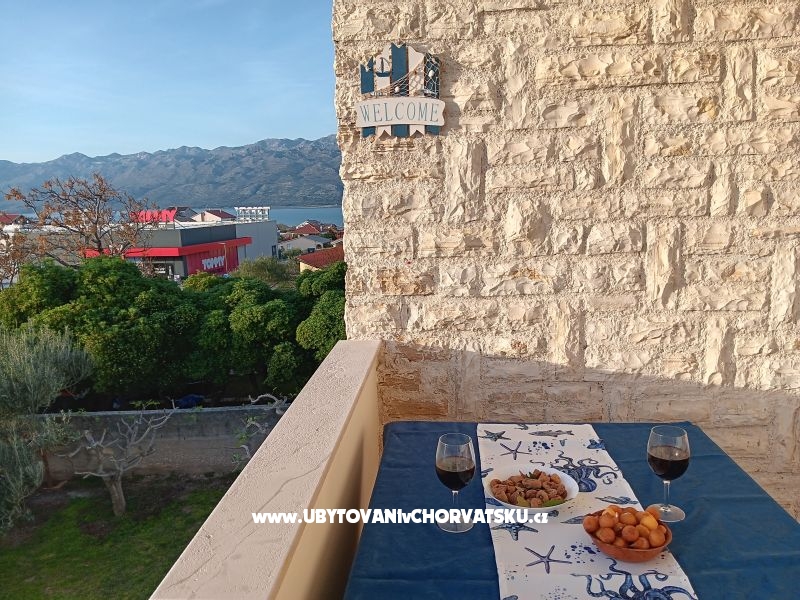 Apartmani Emil RažanacRažanacTo the sea: 600 mView offer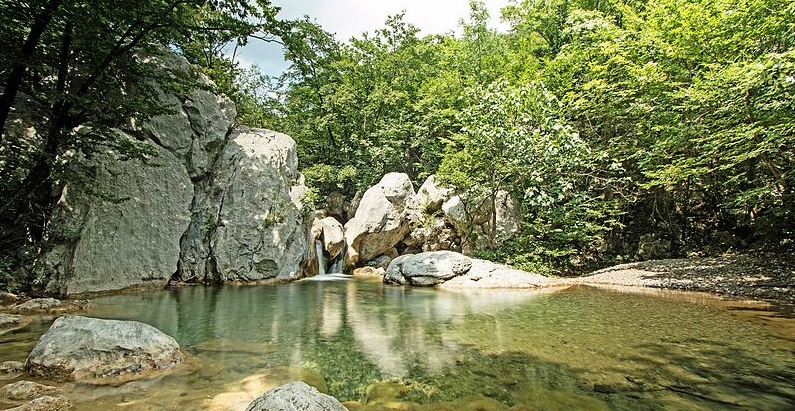
Follow us on Facebook for more articles about Croatia. Share this article using the buttons on the right. Thank you!

Upgrade this article
Bio si na ovom mjestu? Podijeli s nama svoja iskustva ili fotografije.
Napiši svoju verziju članka. Nagrađujemo vlasnike apartmana.