
The widely popular Cindro House will enchant you from the very first glance. Many have stayed here, and even more are those who wish to do so. After this story, you too will be among those mentioned.
Cindro is a patrician family from Split, originally from Poljica, whose members held various offices in Split. They took part in the public life of the city, and the family lived in the city quarter of St Martin, in the northern part of Diocletian's Palace.
The Split branch of the family had its Austrian nobility confirmed in 1822. Today, as a memorial to the family, and to our delight, there remains an elegant two-storey house located right next to the main road running through Podstrana in Strožanac.
The distinguished Split family of Cindro already had landholdings at several locations in the Podstrana area back in the 15th century. For their merits in the fight against the Turks, as a token of gratitude, the Venetian provveditore granted the Cindro family an estate in Strožanac. It soon fell under Turkish possession, but the Venetian Republic returned it to its owners at the end of the 17th century, confirming their ownership right by a ducal decree in 1734.
The family soon erected a building by the shore that, besides its residential and economic role, also had a defensive function. Fortifications and gun-loops were incorporated into the floor plan of the dwelling, and in the 19th century the villa was also adorned with the family coat of arms above the entrance door, transferred from the family's Split palace.
Even at that time the summer house hosted chamber orchestras, and served as a stage for concerts and performances of the new operas of the day. Such performances became part of a tradition that is still nurtured today.
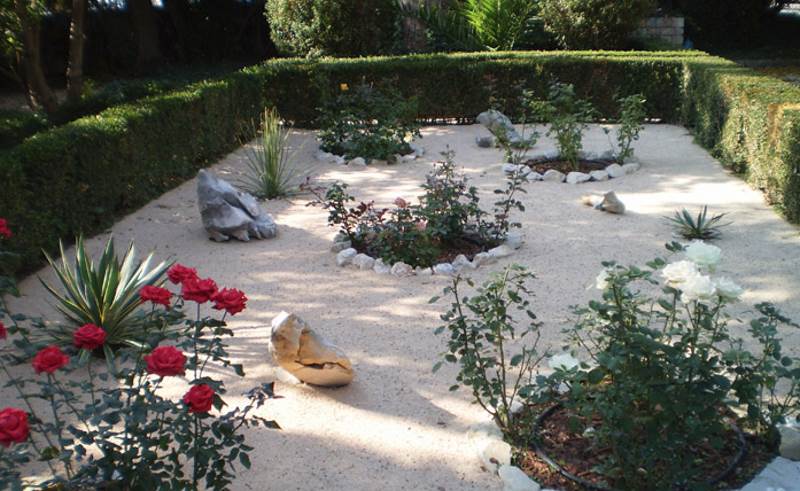 The courtyard of the complex covers an area of 900 square metres, and has today been turned into a park with carefully selected horticultural species, among which Mediterranean species predominate. We can single out oleander, palms, mulberries and boxwood. Since the summer house was protected as a cultural monument in 1979 and subsequently restored, the interior space is used as the summer home of its owners, while the courtyard serves as an elegant green stage for Podstrana's summer cultural events.
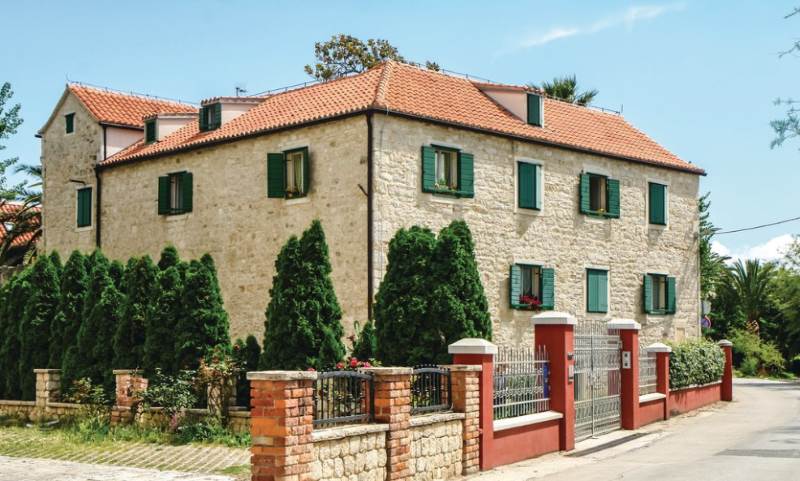 Cindro is located right by the sea in Strožanac. Many will agree that this is indisputably the most beautiful building along the entire stretch from Split to Omiš. It is a fairy-tale-like, ancient manor with fascinating historical stories, representing a rarely preserved country-estate complex from the 17th century.
The house was entered into the register of immovable cultural monuments in 1979. The special value of the summer house is its preserved park of lush Mediterranean vegetation. The complex bears witness to the historical tradition of the Dalmatian patriciate for aesthetics of the surroundings and a harmonious life within them.
The descendants of the Cindro family stay in the manor during the summer months, when summer cultural events are also held in the grounds of the summer house.
According to oral tradition, the Cindro family was a well-known family of physicians. Count Jeronim Cindro received an estate in the western part of Strožanac for his merits in the Cretan War (War of Candia). The estate soon fell under Turkish rule, only for the Venetian Republic to return it to the Cindro family in 1699.
On the entrance door can be seen the family coat of arms, transferred from the Cindro Palace in Split. The larger house was used for economic purposes, and consisted of a cellar (konoba) and a first floor.
In 1734 the ownership of the Cindro family was confirmed by a “Ducale”. At the beginning of the 19th century, the houses were burned in an act of reprisal by the people of Poljica and the French army. In 1884 Josip Cindro added a second floor to the larger house, and lived there with his family from time to time. During this period, chamber concerts featuring excerpts from new operas were frequent at the summer house.
A few years before the Second World War a magnolia was planted in the courtyard, which today towers over the house, and the first and second floors of the larger house were renovated. After the war the property was confiscated, with the exception of the ideal half belonging to Marin Cindro. The house was entered into the register of immovable cultural monuments in 1979. Through inheritance, purchase and donations, Nikola Cindro became the owner of the entire complex of houses and park.
In 1999 the renovation of the complex began, so that the summer house, the larger building and the paving of the courtyard were restored by 2001. Unfortunately, the walls around the complex were not repaired. The interior of the manor is today furnished according to the modern needs of life, while only the ground floor has retained the patina of times past.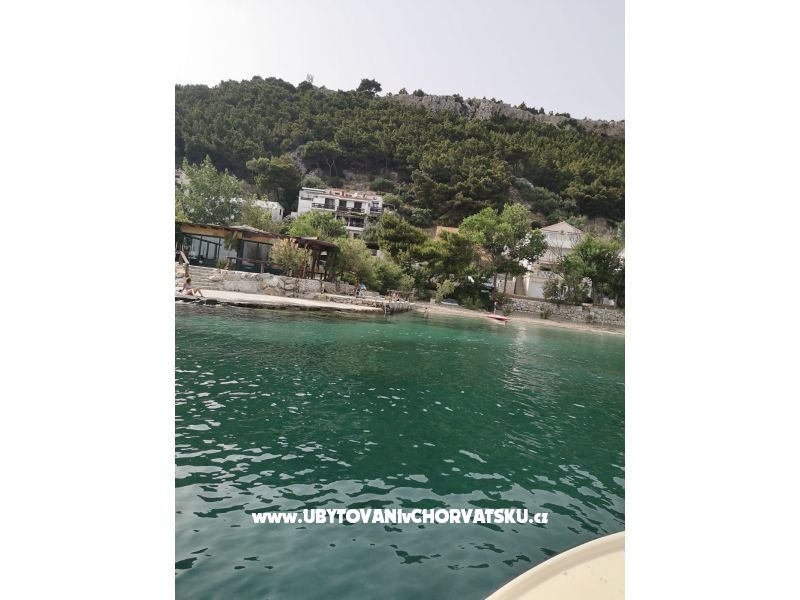 Apartman LukaDugi RatCapacity: 5 · To the sea: 30 mfrom 9 € per person / nightView offer
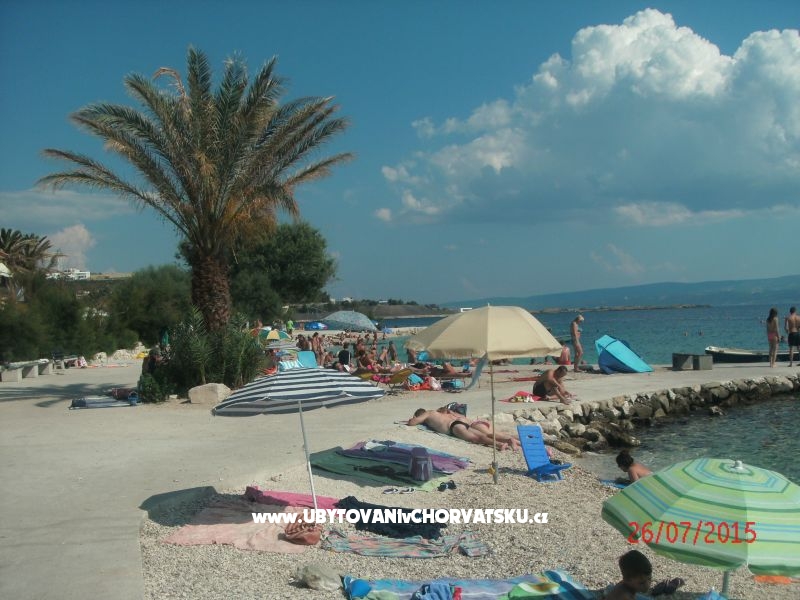 Apartments near beachDugi RatTo the sea: 40 mView offer
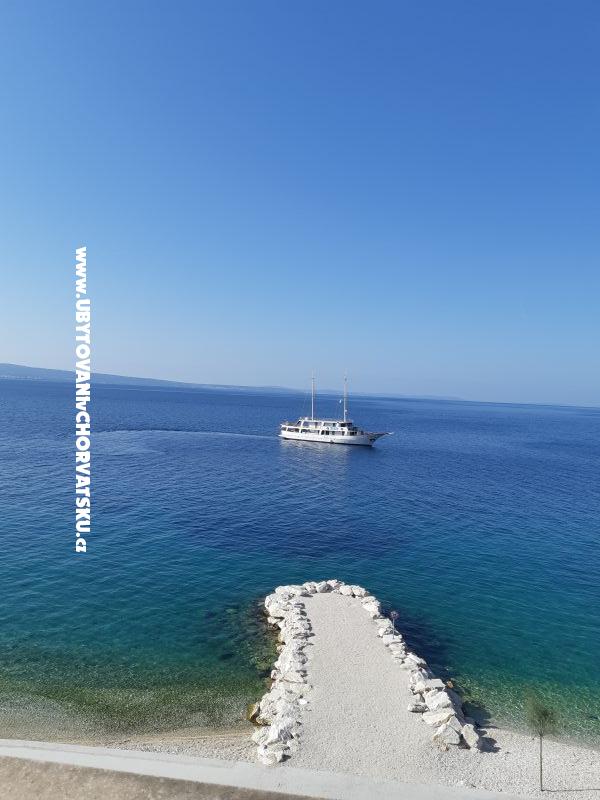 Apartmani MaryDugi RatCapacity: 2-8 · To the sea: 15 mView offer
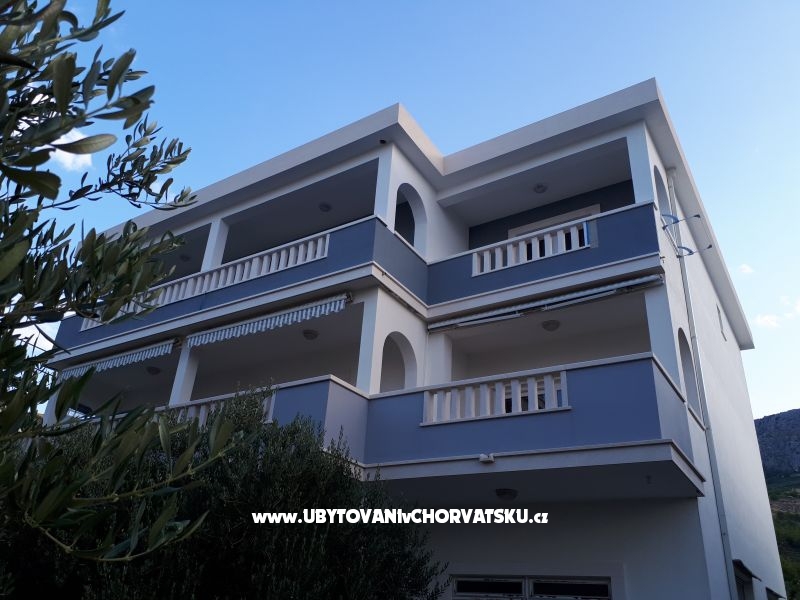 Apartmani Klarić, Dugi RatDugi RatTo the sea: 30 mfrom 16,50 € per person / nightView offer
 ApartmentsDugi RatCapacity: 8 · To the sea: 200 mfrom 22 € per person / nightView offer
 Apartman ZrinkaDugi RatCapacity: 2-4 · To the sea: 5 mView offer
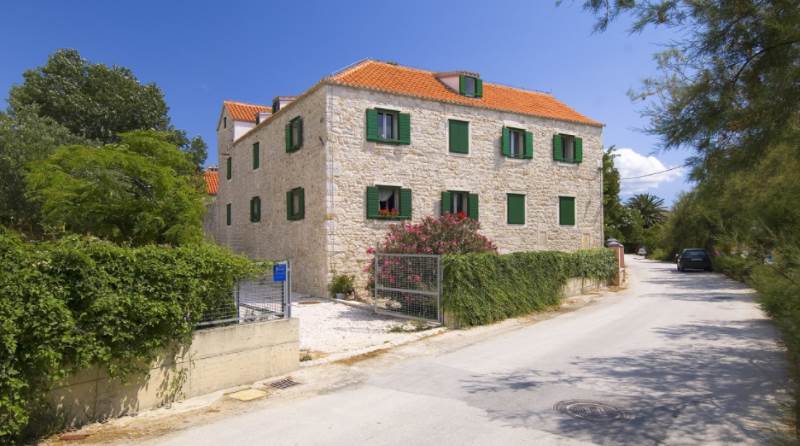
The Split branch of the family had its Austrian nobility confirmed in 1822. Today, as a memorial to the family, and to our delight, there remains an elegant two-storey house located right next to the main road running through Podstrana in Strožanac.
Get to know the Cindro family a little better
The distinguished Split family of Cindro already had landholdings at several locations in the Podstrana area back in the 15th century. For their merits in the fight against the Turks, as a token of gratitude, the Venetian provveditore granted the Cindro family an estate in Strožanac. It soon fell under Turkish possession, but the Venetian Republic returned it to its owners at the end of the 17th century, confirming their ownership right by a ducal decree in 1734.
The family soon erected a building by the shore that, besides its residential and economic role, also had a defensive function. Fortifications and gun-loops were incorporated into the floor plan of the dwelling, and in the 19th century the villa was also adorned with the family coat of arms above the entrance door, transferred from the family's Split palace.
Even at that time the summer house hosted chamber orchestras, and served as a stage for concerts and performances of the new operas of the day. Such performances became part of a tradition that is still nurtured today.
Interesting details of the Cindro House
The courtyard of the complex covers an area of 900 square metres, and has today been turned into a park with carefully selected horticultural species, among which Mediterranean species predominate. We can single out oleander, palms, mulberries and boxwood. Since the summer house was protected as a cultural monument in 1979 and subsequently restored, the interior space is used as the summer home of its owners, while the courtyard serves as an elegant green stage for Podstrana's summer cultural events.Cindro is located right by the sea in Strožanac. Many will agree that this is indisputably the most beautiful building along the entire stretch from Split to Omiš. It is a fairy-tale-like, ancient manor with fascinating historical stories, representing a rarely preserved country-estate complex from the 17th century.The house was entered into the register of immovable cultural monuments in 1979. The special value of the summer house is its preserved park of lush Mediterranean vegetation. The complex bears witness to the historical tradition of the Dalmatian patriciate for aesthetics of the surroundings and a harmonious life within them.
The descendants of the Cindro family stay in the manor during the summer months, when summer cultural events are also held in the grounds of the summer house.
According to oral tradition, the Cindro family was a well-known family of physicians. Count Jeronim Cindro received an estate in the western part of Strožanac for his merits in the Cretan War (War of Candia). The estate soon fell under Turkish rule, only for the Venetian Republic to return it to the Cindro family in 1699.
On the entrance door can be seen the family coat of arms, transferred from the Cindro Palace in Split. The larger house was used for economic purposes, and consisted of a cellar (konoba) and a first floor.
In 1734 the ownership of the Cindro family was confirmed by a “Ducale”. At the beginning of the 19th century, the houses were burned in an act of reprisal by the people of Poljica and the French army. In 1884 Josip Cindro added a second floor to the larger house, and lived there with his family from time to time. During this period, chamber concerts featuring excerpts from new operas were frequent at the summer house.
A few years before the Second World War a magnolia was planted in the courtyard, which today towers over the house, and the first and second floors of the larger house were renovated. After the war the property was confiscated, with the exception of the ideal half belonging to Marin Cindro. The house was entered into the register of immovable cultural monuments in 1979. Through inheritance, purchase and donations, Nikola Cindro became the owner of the entire complex of houses and park.
In 1999 the renovation of the complex began, so that the summer house, the larger building and the paving of the courtyard were restored by 2001. Unfortunately, the walls around the complex were not repaired. The interior of the manor is today furnished according to the modern needs of life, while only the ground floor has retained the patina of times past.
Private accommodation in Dugi Rat – directly from the owners
All accommodation in Dugi Rat →Apartman LukaDugi RatCapacity: 5 · To the sea: 30 mfrom 9 € per person / nightView offerApartments near beachDugi RatTo the sea: 40 mView offerApartmani MaryDugi RatCapacity: 2-8 · To the sea: 15 mView offerApartmani Klarić, Dugi RatDugi RatTo the sea: 30 mfrom 16,50 € per person / nightView offerApartmentsDugi RatCapacity: 8 · To the sea: 200 mfrom 22 € per person / nightView offerApartman ZrinkaDugi RatCapacity: 2-4 · To the sea: 5 mView offerFollow us on Facebook for more articles about Croatia. Share this article using the buttons on the right. Thank you!
Upgrade this article
Bio si na ovom mjestu? Podijeli s nama svoja iskustva ili fotografije.
Napiši svoju verziju članka. Nagrađujemo vlasnike apartmana.