
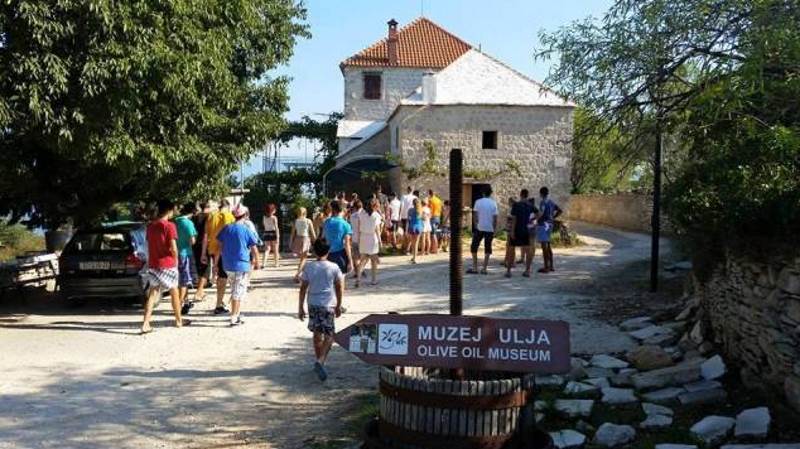
The island of Brač has its regular visitors, but also those who are discovering it anew. Whichever group you belong to, it might be interesting for you to visit the Oil Museum in the village of Škrip.
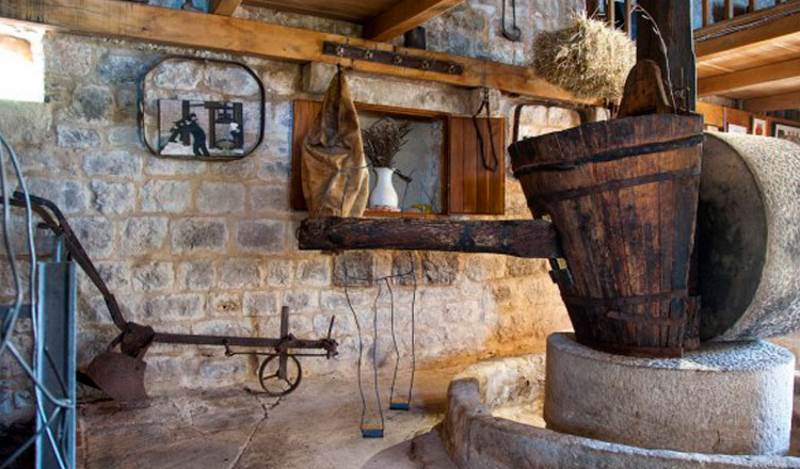
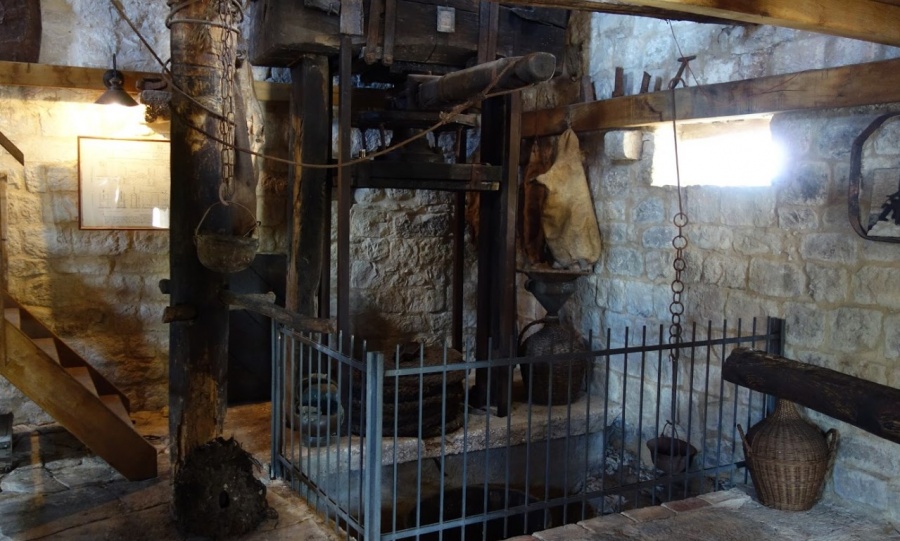
The Oil Museum presents the history of olive growing on the island of Brač. It is a place where you can learn all the details about the traditional process of processing olive oil, which consists of a mill with a millstone, a press with old ropes, a stove for heating water, and all the other traditional tools that were used for transporting, producing and storing olive oil.
The entire display is complemented by sculptures by the master sculptor Đani Martinić, and paintings by the academic painter Hana-Marta Jurčević Bulić. The sculptures and paintings depict, in a very interesting way, the workers in the oil mill and the oil production process itself.
How did it all begin? Get to know the museum and discover some interesting details.
In 1864, the family of Josip Krstulović opened an oil mill for processing olive oil in Škrip on the island of Brač. The oil mill primarily served the islanders, who for years produced very high-quality olive oil.
 At the beginning of the 20th century, Kruno and Mandica Krstulović renovated and upgraded the oil mill, and a new press was bought from Trieste – the ''Thomas Holt'' – with which successful processing of olive oil continued until 1963. After that year the oil mill nevertheless stopped working. The reason for this was the emergence of new technologies in the processing procedure, with which the old machines could not compete.
In order to create a place for the historical significance of the old oil mill, and to vividly depict the production process of the old days, in July 2013 Kruno Cukrov, grandson of Kruno Krstulović, together with his family renovated and converted the oil mill into the Oil Museum. The museum is open to the public as a historical and cultural landmark of olive growing on the island of Brač.
The Cukrov family continues the family tradition. In their facilities, as part of a family farm and with modern machines, the family continues to produce high-quality olive oil. The best testament to the quality of this oil is the fact that it has already won awards, including a bronze medal for extra virgin oil at the Oblica Fest in Postira in 2014.
Today the museum also has an olive oil tasting room. If you visit the museum, in the tasting room you can taste and buy top-quality olive oil.
The museum is very interesting and, to say the least, unusual. With this institution, the island of Brač has become richer in what it offers, and the museum itself is a kind of attraction visited by a large number of guests every year.
The Oil Museum vividly presents the history of olive growing on the island of Brač, as well as the entire traditional process of processing olive oil. The process consists of a mill with a millstone, a press with old ropes, a stove for heating water, and all the traditional tools that were used for transporting, producing and storing olive oil.
The Oil Museum is located in Škrip on the island of Brač. It is only about a ten-minute drive from Supetar, i.e. 9 kilometres. The Supetar–Škrip bus line runs to the museum. There is no reason not to visit this museum.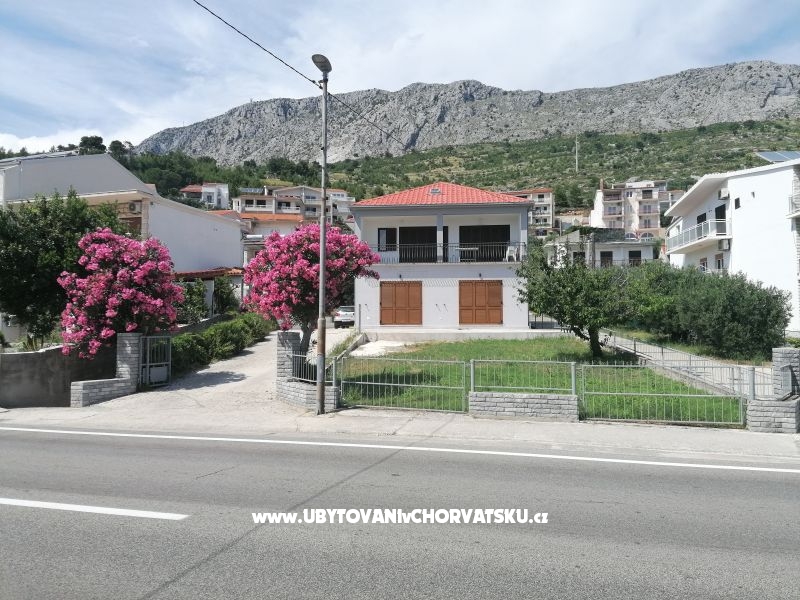 Apartmani LjubicaDugi RatCapacity: 4-6 · To the sea: 25 mView offer
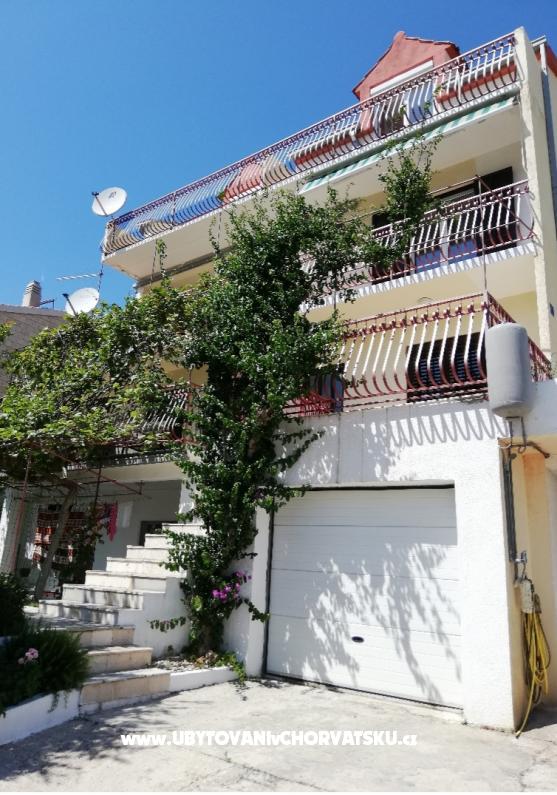 ApartmentsDugi RatCapacity: 8 · To the sea: 200 mfrom 22 € per person / nightView offer
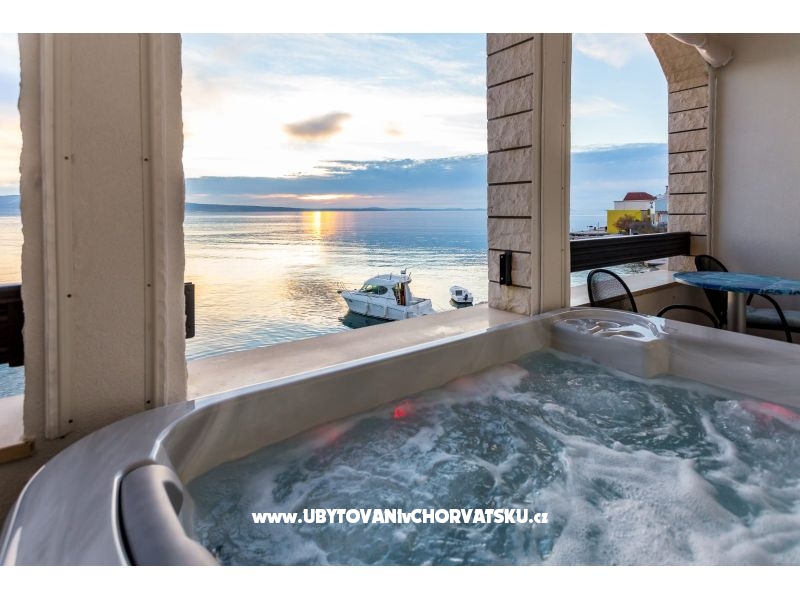 Family Apartments KordaDugi RatTo the sea: 3 mView offer
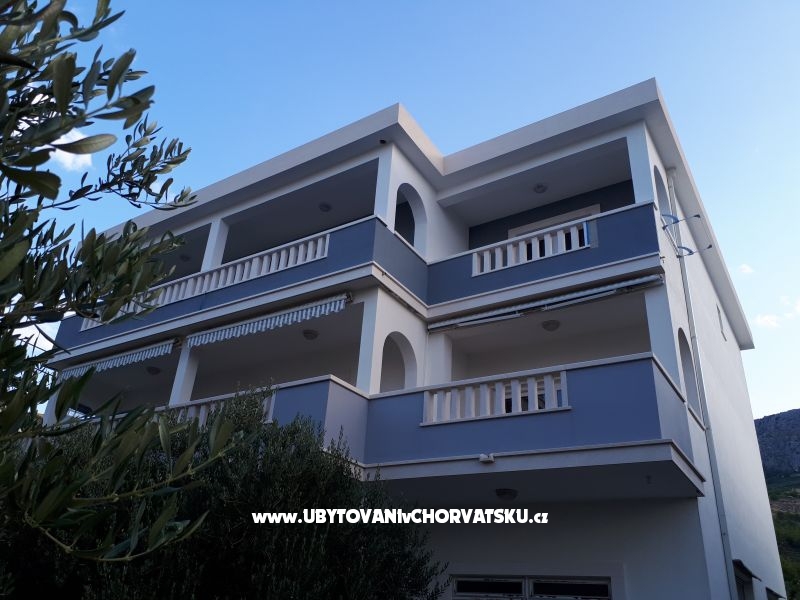 Apartmani Klarić, Dugi RatDugi RatTo the sea: 30 mfrom 16,50 € per person / nightView offer
 Apartments near beachDugi RatTo the sea: 40 mView offer
 Sunrise Luxury ApartmentsDugi RatCapacity: 4-10 · To the sea: 5 mfrom 20 € per person / nightView offer
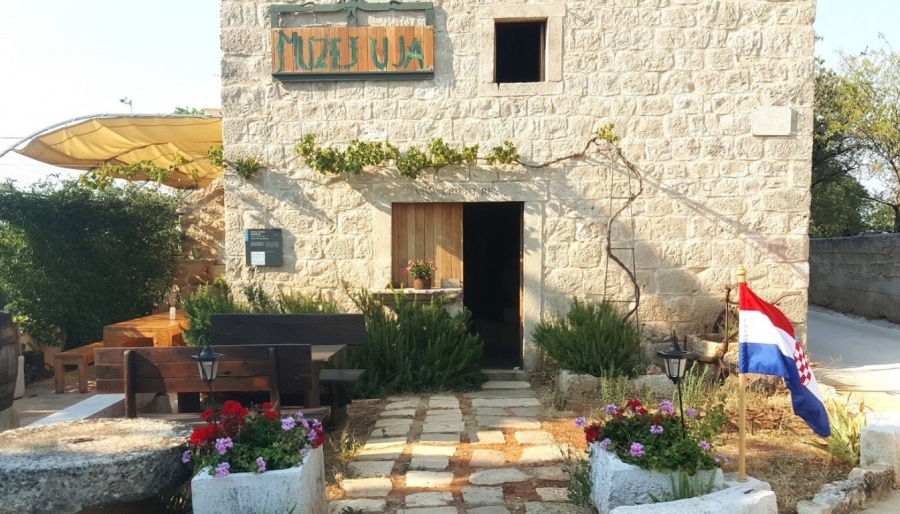
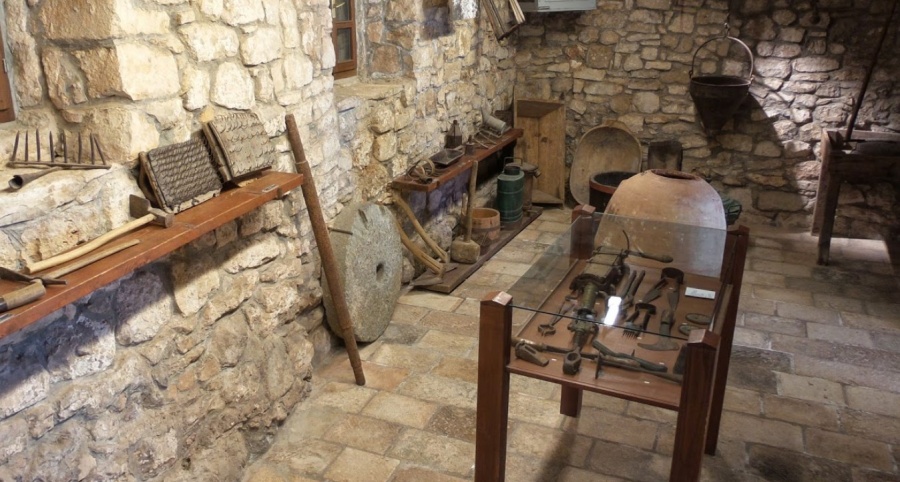
The entire display is complemented by sculptures by the master sculptor Đani Martinić, and paintings by the academic painter Hana-Marta Jurčević Bulić. The sculptures and paintings depict, in a very interesting way, the workers in the oil mill and the oil production process itself.
History of the Oil Museum
How did it all begin? Get to know the museum and discover some interesting details.
In 1864, the family of Josip Krstulović opened an oil mill for processing olive oil in Škrip on the island of Brač. The oil mill primarily served the islanders, who for years produced very high-quality olive oil.
At the beginning of the 20th century, Kruno and Mandica Krstulović renovated and upgraded the oil mill, and a new press was bought from Trieste – the ''Thomas Holt'' – with which successful processing of olive oil continued until 1963. After that year the oil mill nevertheless stopped working. The reason for this was the emergence of new technologies in the processing procedure, with which the old machines could not compete.In order to create a place for the historical significance of the old oil mill, and to vividly depict the production process of the old days, in July 2013 Kruno Cukrov, grandson of Kruno Krstulović, together with his family renovated and converted the oil mill into the Oil Museum. The museum is open to the public as a historical and cultural landmark of olive growing on the island of Brač.
The Cukrov family continues the family tradition. In their facilities, as part of a family farm and with modern machines, the family continues to produce high-quality olive oil. The best testament to the quality of this oil is the fact that it has already won awards, including a bronze medal for extra virgin oil at the Oblica Fest in Postira in 2014.
Today the museum also has an olive oil tasting room. If you visit the museum, in the tasting room you can taste and buy top-quality olive oil.
The museum is very interesting and, to say the least, unusual. With this institution, the island of Brač has become richer in what it offers, and the museum itself is a kind of attraction visited by a large number of guests every year.
The Oil Museum vividly presents the history of olive growing on the island of Brač, as well as the entire traditional process of processing olive oil. The process consists of a mill with a millstone, a press with old ropes, a stove for heating water, and all the traditional tools that were used for transporting, producing and storing olive oil.
The Oil Museum is located in Škrip on the island of Brač. It is only about a ten-minute drive from Supetar, i.e. 9 kilometres. The Supetar–Škrip bus line runs to the museum. There is no reason not to visit this museum.
Private accommodation in Dugi Rat – directly from the owners
All accommodation in Dugi Rat →Apartmani LjubicaDugi RatCapacity: 4-6 · To the sea: 25 mView offerApartmentsDugi RatCapacity: 8 · To the sea: 200 mfrom 22 € per person / nightView offerFamily Apartments KordaDugi RatTo the sea: 3 mView offerApartmani Klarić, Dugi RatDugi RatTo the sea: 30 mfrom 16,50 € per person / nightView offerApartments near beachDugi RatTo the sea: 40 mView offerSunrise Luxury ApartmentsDugi RatCapacity: 4-10 · To the sea: 5 mfrom 20 € per person / nightView offerFollow us on Facebook for more articles about Croatia. Share this article using the buttons on the right. Thank you!
Upgrade this article
Bio si na ovom mjestu? Podijeli s nama svoja iskustva ili fotografije.
Napiši svoju verziju članka. Nagrađujemo vlasnike apartmana.