
The Split Town Museum is located in the Gothic-Renaissance Papalić Palace. If you come to Split and enjoy exploring and learning about the history and art of a place – be sure to visit this museum.
Today the museum is a cultural institution, and its collection presents the cultural history of Split from the Middle Ages to the 20th century through cultural-historical and artistic material depicting the town during the period of the autonomous commune, Venetian rule, and the political, economic, social, cultural-artistic and urban development of Split in chronological order. The permanent exhibition is truly varied and impressive, and numerous exhibitions are held and planned every year, which can also be viewed.
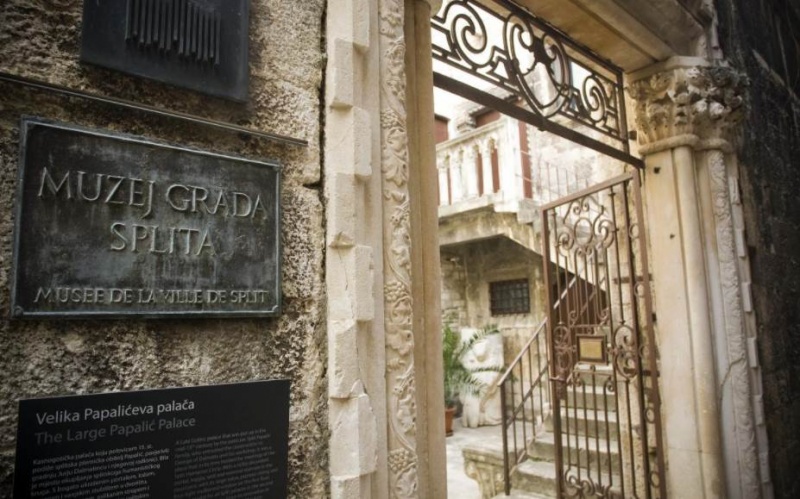 The Split Town Museum is located within Diocletian's Palace itself. It is housed in the Papalić Palace, built to the design of Juraj Dalmatinac. It can be described by its beautiful courtyard, loggia and well, as well as a ceremonial hall on the first floor with a preserved Gothic ceiling and a lavish quadriforium window. Today the museum is a public institution for the research, collection, preservation, professional protection, scientific processing and presentation of the cultural heritage of the town of Split.
The beginnings of museum activity in Split are linked to a collection of stone fragments which, at the very beginning of the 16th century, Dmine Papalić, together with Marko Marulić, gathered in the ruined Salona and brought to his palace. He had the collected samples built into the palace courtyard, where the Split Town Museum stands today. Having listed the incorporated monuments, Marulić gave this whole the name "Papalić's Collection".
The founding of this Split museum is linked to the Town Library (today the University Library), which was established in 1911. The Library's statute was approved by the municipal council in 1915, and its second article stipulated: "the Town Museum is joined with the Town Library as a special department, but under the same administration". The Library was housed in the Bernardi Palace, where in 1925 two rooms were set up for the Town Museum.
Later, in 1945, the museum department separated from the Town Library and began operating independently under the name "Museum of the Town in Formation", and in 1946 it opened to the public in six rooms of the Bernardi Palace, before receiving the name Split Town Museum in 1948. Just a couple of years later, in 1950 to be precise, a large exhibition dedicated to the 500th anniversary of the birth of Marko Marulić was held in part of the Papalić Palace. After the exhibition ended, this space was permanently given over to the Town Museum for its premises.
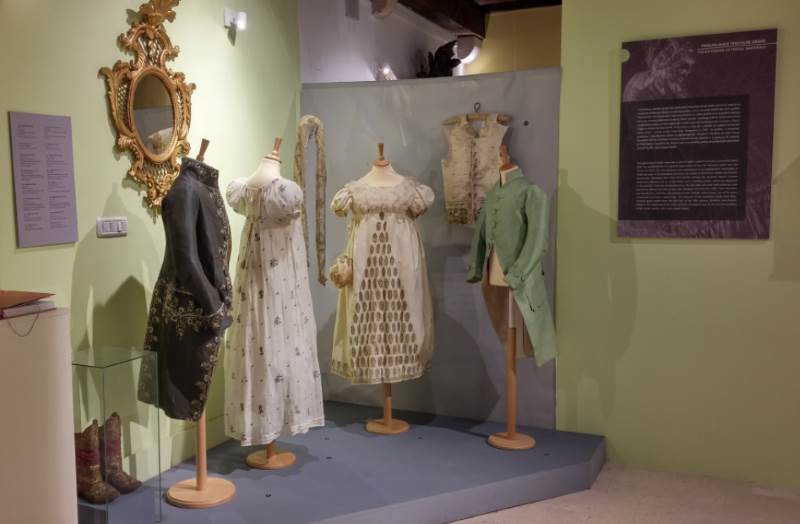 The Papalić family palace, a zero-category monument, built during the Gothic and Renaissance period, is the work of the school of Juraj Dalmatinac. In these premises the museum was opened to the public in 1952, with a partial permanent exhibition. Cramped as a co-tenant in a monumental building where the town's history had unfolded, the Museum operated until 1983, when a programme of general renovation and expansion began. Once renovated, the Museum reopened to the public on 22 October 1992, for the first time with a complete permanent exhibition of the town's entire history.
The new museological programme of the permanent exhibition comprises approximately 360 exhibits out of a total of 4,600 objects. The museum presents the model of a town museum in the most modern way, and plays an important role in promoting the cultural identity of Split. The museum's collections have been shaped since 1950 through annual acquisitions and donations. The museum also holds a valuable archive and a significant library holding.
The Split Town Museum is a public institution engaged in the research, collection, preservation, professional protection, scientific processing and presentation of the cultural heritage of the town of Split.
Today the museum presents the town's history, takes care of preserving its exhibits and searching for new ones. It is open to the public and is visited by a very large number of guests every year.
If you come to Split, you should definitely visit the Split Town Museum as well. The permanent exhibition is very rich, and in addition, special exhibitions with interesting new objects are organised every year.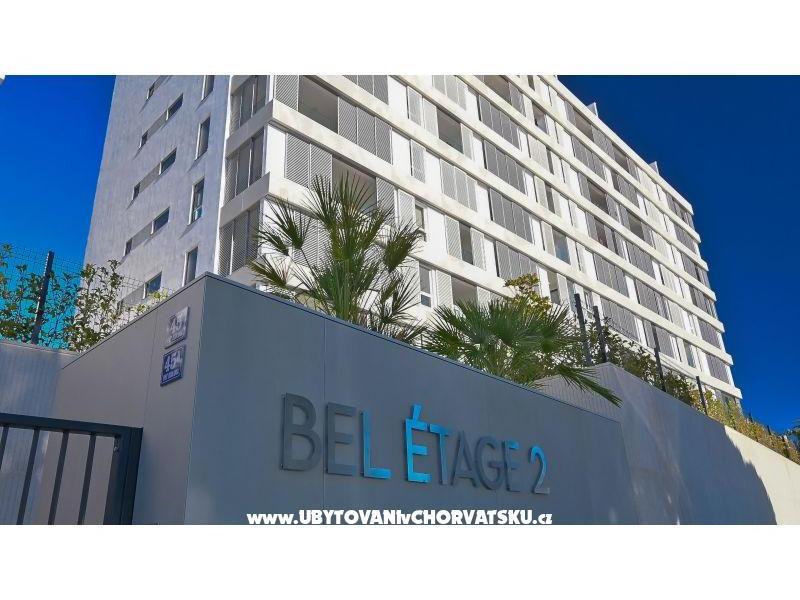 Split Green Eden & Blue HorizonSplitCapacity: 2-6 · To the sea: 200 mView offer
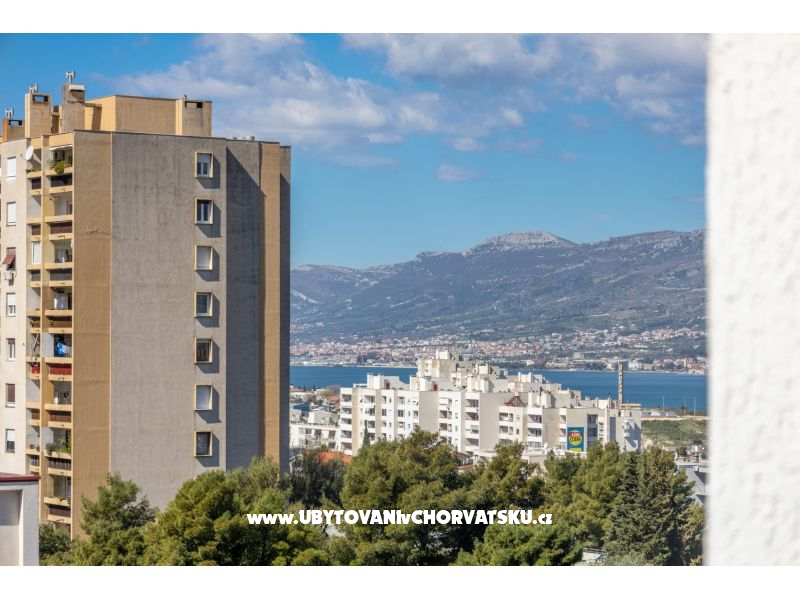 Apartman PujankeSplitCapacity: 2-5 · To the sea: 1 kmView offer
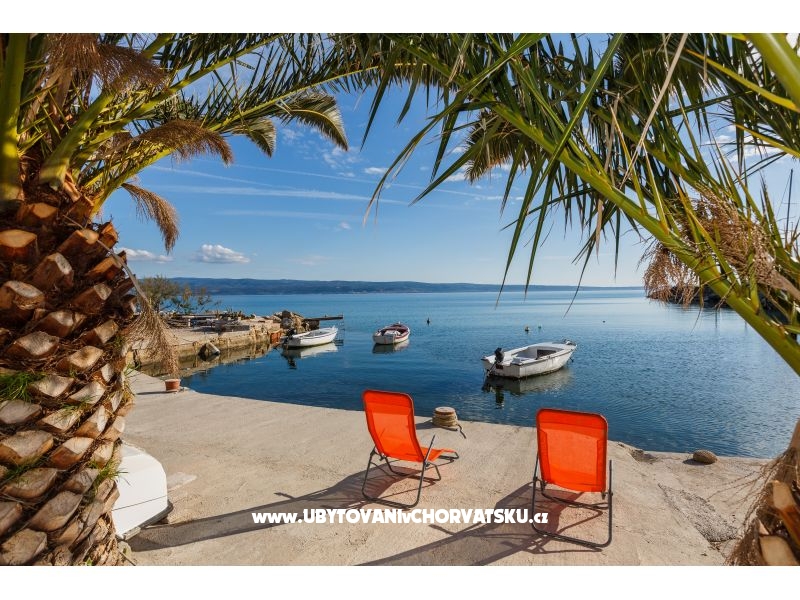 Apartman JadroSplitCapacity: 2-4 · To the sea: 5 mfrom 15 € per person / nightView offer
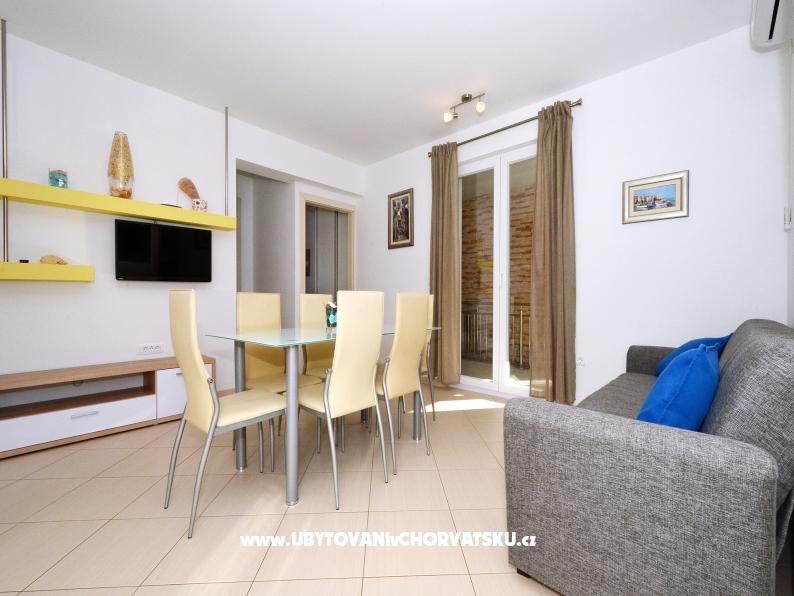 Lobster ApartmentsSplitCapacity: 3-23 · To the sea: 400 mfrom 20 € per person / nightView offer
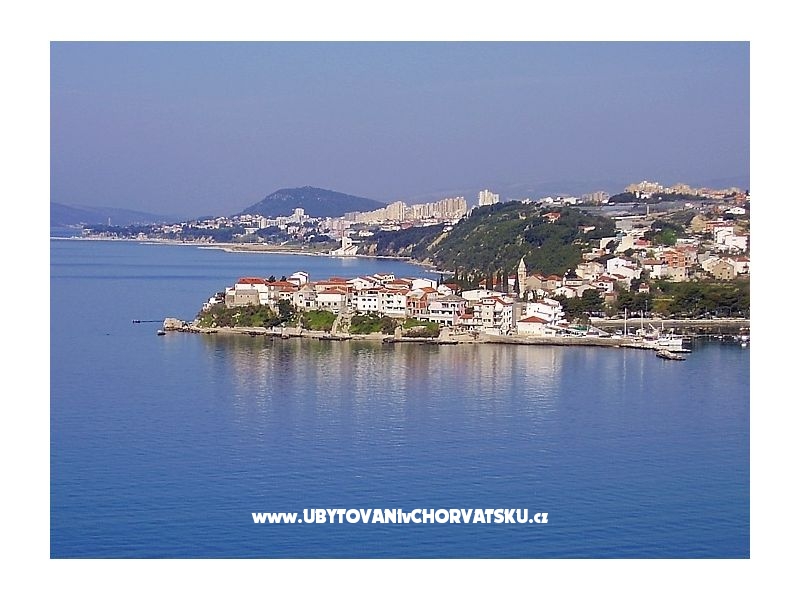 Apartman JagodaSplitCapacity: 2-4 · To the sea: 20 mfrom 25 € per person / nightView offer
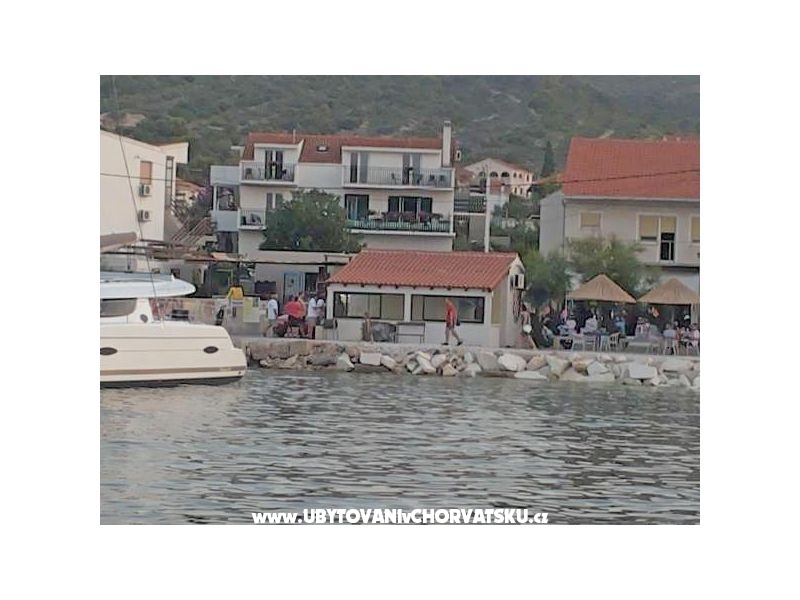 Apartments SILVA /SplitCapacity: 4-8 · To the sea: 20 mView offer
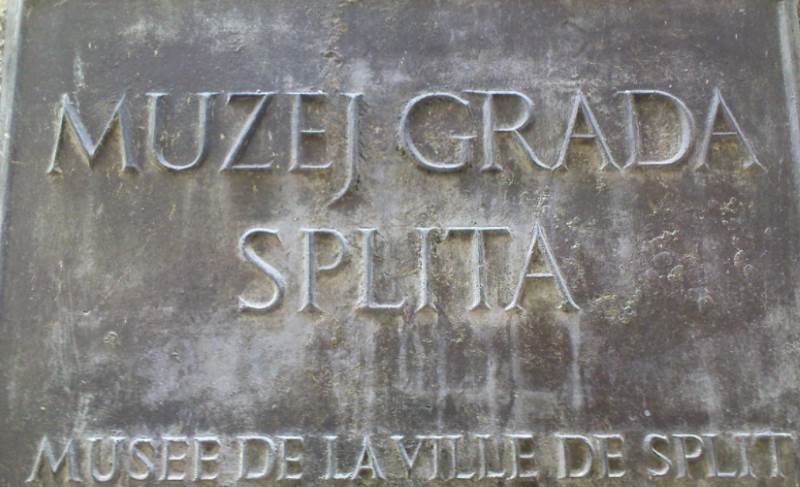
The Split Town Museum is located within Diocletian's Palace itself. It is housed in the Papalić Palace, built to the design of Juraj Dalmatinac. It can be described by its beautiful courtyard, loggia and well, as well as a ceremonial hall on the first floor with a preserved Gothic ceiling and a lavish quadriforium window. Today the museum is a public institution for the research, collection, preservation, professional protection, scientific processing and presentation of the cultural heritage of the town of Split.The first beginnings and founding of the Split Town Museum
The beginnings of museum activity in Split are linked to a collection of stone fragments which, at the very beginning of the 16th century, Dmine Papalić, together with Marko Marulić, gathered in the ruined Salona and brought to his palace. He had the collected samples built into the palace courtyard, where the Split Town Museum stands today. Having listed the incorporated monuments, Marulić gave this whole the name "Papalić's Collection".
The founding of this Split museum is linked to the Town Library (today the University Library), which was established in 1911. The Library's statute was approved by the municipal council in 1915, and its second article stipulated: "the Town Museum is joined with the Town Library as a special department, but under the same administration". The Library was housed in the Bernardi Palace, where in 1925 two rooms were set up for the Town Museum.
Later, in 1945, the museum department separated from the Town Library and began operating independently under the name "Museum of the Town in Formation", and in 1946 it opened to the public in six rooms of the Bernardi Palace, before receiving the name Split Town Museum in 1948. Just a couple of years later, in 1950 to be precise, a large exhibition dedicated to the 500th anniversary of the birth of Marko Marulić was held in part of the Papalić Palace. After the exhibition ended, this space was permanently given over to the Town Museum for its premises.
The Papalić family palace, a zero-category monument, built during the Gothic and Renaissance period, is the work of the school of Juraj Dalmatinac. In these premises the museum was opened to the public in 1952, with a partial permanent exhibition. Cramped as a co-tenant in a monumental building where the town's history had unfolded, the Museum operated until 1983, when a programme of general renovation and expansion began. Once renovated, the Museum reopened to the public on 22 October 1992, for the first time with a complete permanent exhibition of the town's entire history.The layout of the Split Town Museum
The new museological programme of the permanent exhibition comprises approximately 360 exhibits out of a total of 4,600 objects. The museum presents the model of a town museum in the most modern way, and plays an important role in promoting the cultural identity of Split. The museum's collections have been shaped since 1950 through annual acquisitions and donations. The museum also holds a valuable archive and a significant library holding.
Activities of the museum
The Split Town Museum is a public institution engaged in the research, collection, preservation, professional protection, scientific processing and presentation of the cultural heritage of the town of Split.
Today the museum presents the town's history, takes care of preserving its exhibits and searching for new ones. It is open to the public and is visited by a very large number of guests every year.
If you come to Split, you should definitely visit the Split Town Museum as well. The permanent exhibition is very rich, and in addition, special exhibitions with interesting new objects are organised every year.
Private accommodation in Split – directly from the owners
All accommodation in Split →Split Green Eden & Blue HorizonSplitCapacity: 2-6 · To the sea: 200 mView offerApartman PujankeSplitCapacity: 2-5 · To the sea: 1 kmView offerApartman JadroSplitCapacity: 2-4 · To the sea: 5 mfrom 15 € per person / nightView offerLobster ApartmentsSplitCapacity: 3-23 · To the sea: 400 mfrom 20 € per person / nightView offerApartman JagodaSplitCapacity: 2-4 · To the sea: 20 mfrom 25 € per person / nightView offerApartments SILVA /SplitCapacity: 4-8 · To the sea: 20 mView offerFollow us on Facebook for more articles about Croatia. Share this article using the buttons on the right. Thank you!
Upgrade this article
Bio si na ovom mjestu? Podijeli s nama svoja iskustva ili fotografije.
Napiši svoju verziju članka. Nagrađujemo vlasnike apartmana.