
The Croatian National Theatre in Split was founded in 1893. It is located at Gajo Bulat Square in the very heart of the city. Today the HNK is Split's central theatre and the most important theatrical institution in Dalmatia.
In its earliest days the HNK in Split had no permanent artistic ensemble; its programmes were instead staged mostly by travelling theatre and opera companies, among which those from Bohemia and Italy predominated, along with companies from Zagreb, Osijek and Belgrade. Between the two world wars, the Ljubljana Opera and the Zagreb Opera performed as guests at the Split HNK almost every May, giving a wealth of performances throughout the month.
In 1922 the theatre's own ensemble was founded, making its own productions possible. Part of the ensemble were professionals, part amateurs. A major turning point came with the arrival of Maestro Ivo Tijardović, whose operettas "Mala Floramye" (1926) and "Spli'ski akvarel" (1928) left their mark on the city and its people, as well as on the way of life of this community.
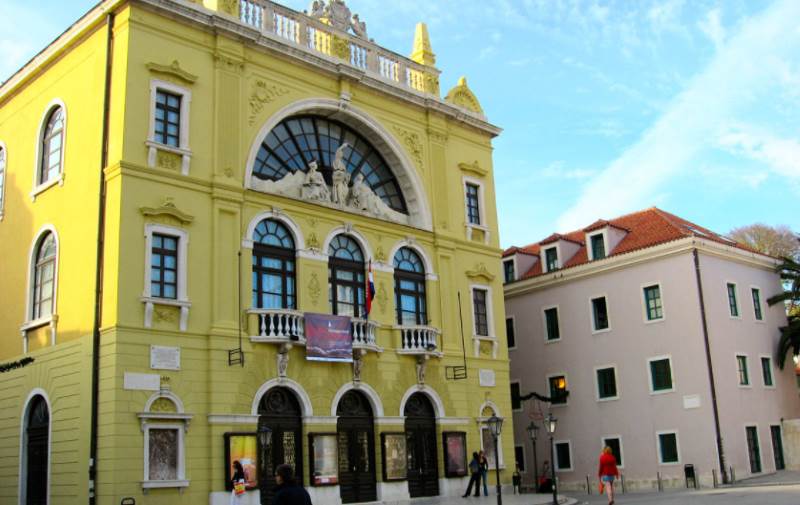 The theatre's first intendant was Ivo Tijardović. The theatre houses busts of great figures of Split's and Croatian culture: Marko Marulić, Gajo Bulat, Ivo Tijardović, Josip Hatze, Josip Gende, Zdravka Krstulović and Boris Dvornik.
It is worth mentioning that, over the many centuries of its existence, the HNK Split has managed to preserve the city's cultural identity. This was made possible in particular by numerous theatre productions and concerts. Today the HNK in Split has been a member of the European Theatre Convention since 1999.
The people of Split have given a great deal to their theatre, just as the HNK has given a great deal to Split. It is worth mentioning the institution's longest-serving employee as well – its long-time supplier, occasional actor and extra, best known as the pyrotechnician Milan Tomić Šerif. He worked at the Split HNK for as long as 61 years.
The new theatre building of the Municipal Theatre (in the form we still know today) opened on 6 May 1893 at Dobri. The opening was a logical continuation of Split's already rich theatrical history, whose beginnings reach back into antiquity. In the new theatre, alongside the hitherto dominant Italian troupes and artists, domestic and other Slavic artists appeared increasingly often.
The first real attempt to establish a permanent, professional drama ensemble took place in 1898, with the founding of the ensemble of the Croatian Dramatic Society in Spljet, made up of former members of the Zagreb and Varaždin theatres as well as graduates of Miletić's acting school. We have not written “Spljet” by mistake – at that time there was still a debate as to whether the city should officially be called Split or Spljet. This topic is not closely tied to the history of the theatre, so we will not pursue it further; we mention it only as an interesting fact.
Let us return to the work and existence of the HNK Split.
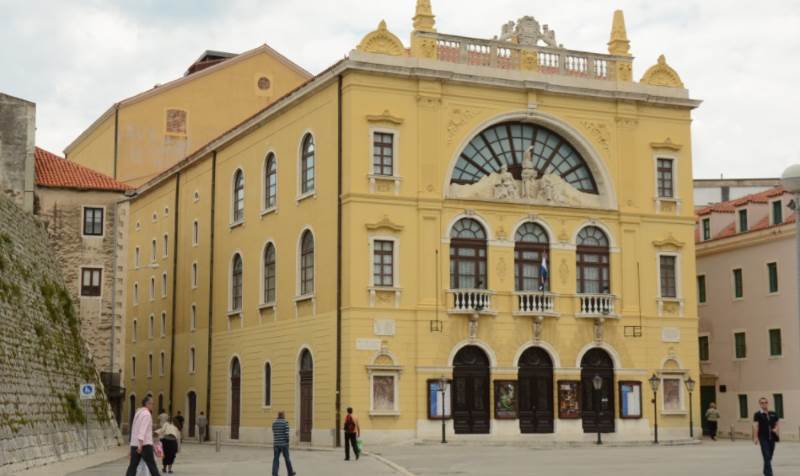 The building underwent its first renovation in 1920, when the first professional drama ensemble was also founded, under the official name of the National Theatre for Dalmatia.
In 1928 the professional theatre that had existed until then was dissolved, and by a decision of the then Ministry of Education, the Split theatre was merged with the one in Sarajevo into the so-called National Theatre for the Western Regions.
At the start of 1928, when the end of the National Theatre for Dalmatia was already looming, a group of Split theatre enthusiasts launched the City Opera and Operetta theatre, which soon changed its name to the Split Theatre Society. Until 1936 this society, whose driving spirit was Ivo Tijardović, staged a number of operetta and opera works alongside drama. Many well-known theatre artists from other cities took part in these productions as guests. In 1937 the Split Theatre Volunteers (1937–1940) split off from the Split Theatre Society.
In 1940 the theatre building was renovated once again and the Croatian National Theatre in Split was founded. During this period the theatre comprised Opera, Drama and Ballet. The first intendant was Ivo Tijardović, Marko Fotez headed the Drama, Oskar Jozefović led the Opera, and Ana Roje the Ballet.
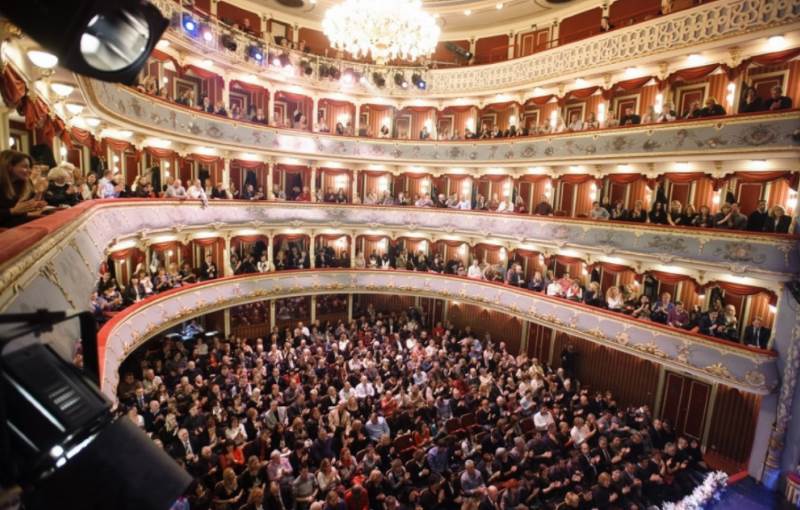 The theatre's work did not last long, as it was interrupted as early as 1941 due to the Italian occupation.
After liberation and the arrival of peacetime conditions, the National Theatre in Split was founded on 1 July 1945; its core was the Theatre of the National Liberation of Dalmatia, established on the island of Vis in 1944. The first season opened on 27 September 1945 with a performance of Mirko Bogović's tragedy Matija Gubec, King of the Peasants. A professional theatre has operated continuously in Split from that day to the present.
In February 1970 the theatre building was almost completely destroyed by fire. After a brief pause, performances began to be held again, first at the annexe of the JNA Hall, and then at the Split cinema within the Split Shipyard Hall. It took almost an entire decade for the theatre building at Dobri to be restored.
Only in March 1978, according to the design of architect Boško Rašica, did work begin on the building's restoration. On that occasion the building was also extended, and its new form (which we still enjoy today) was ceremonially unveiled on 19 May 1980. Apartman AnicaSplitCapacity: 4 · To the sea: 200 mfrom 20 € per person / nightView offer
 Luxury modern apartment on beachSplitCapacity: 2-4 · To the sea: 20 mfrom 8,50 € per person / nightView offer
 Split Green Eden & Blue HorizonSplitCapacity: 2-6 · To the sea: 200 mView offer
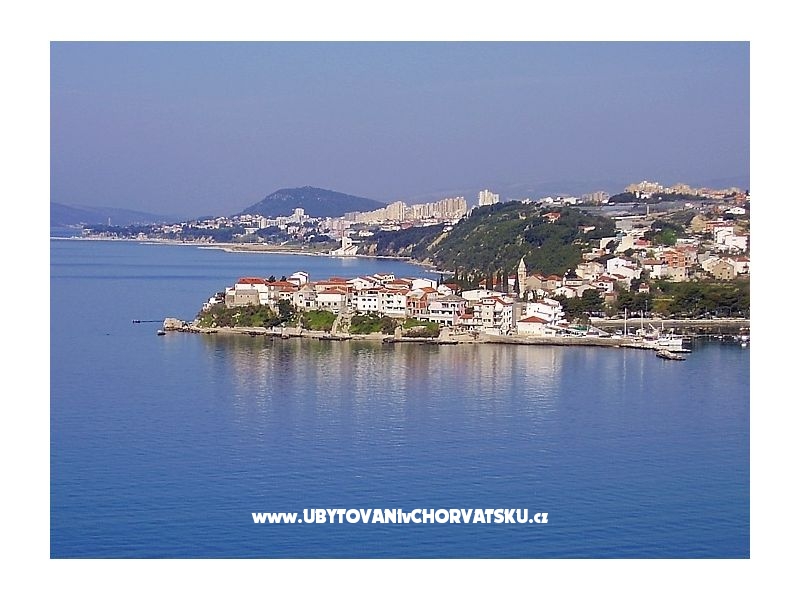 Apartman JagodaSplitCapacity: 2-4 · To the sea: 20 mfrom 25 € per person / nightView offer
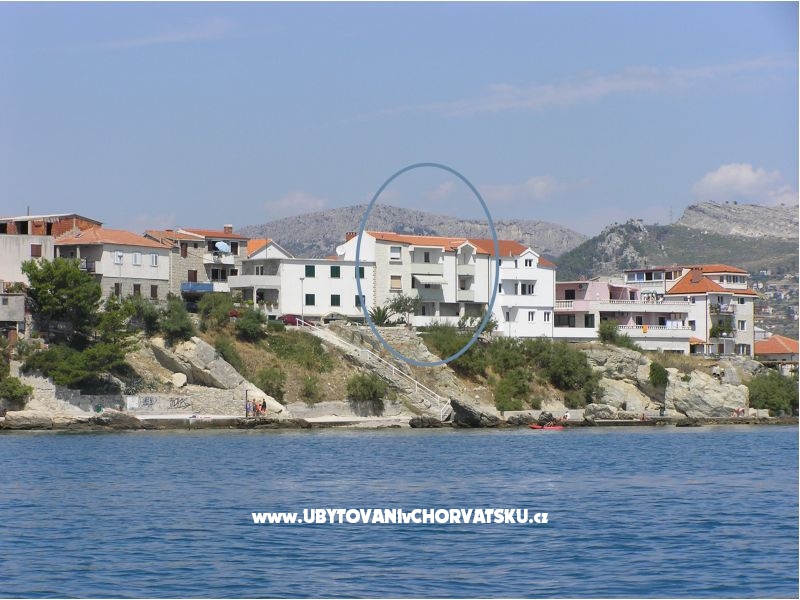 Apartmani BlaževićSplitCapacity: 2-8 · To the sea: 10 mfrom 8 € per person / nightView offer
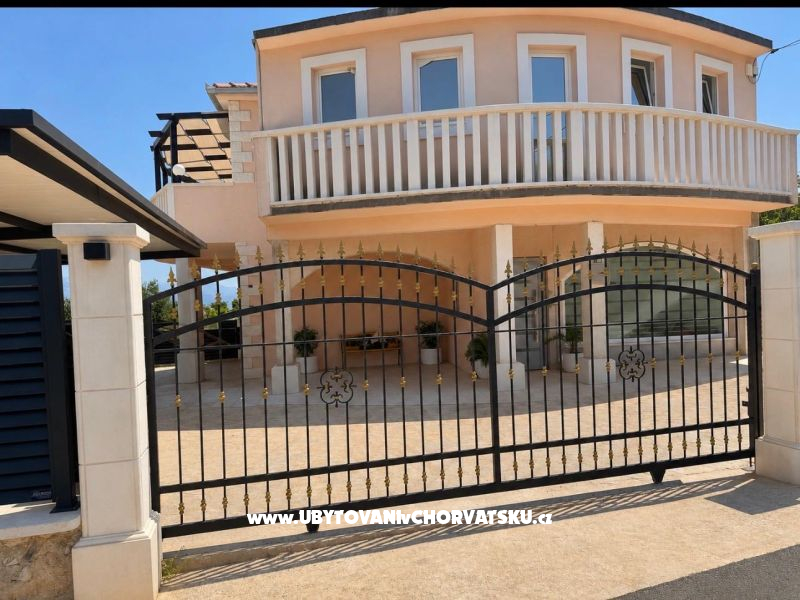 Ivona ApartmentsSplitCapacity: 6 · To the sea: 50 mView offer
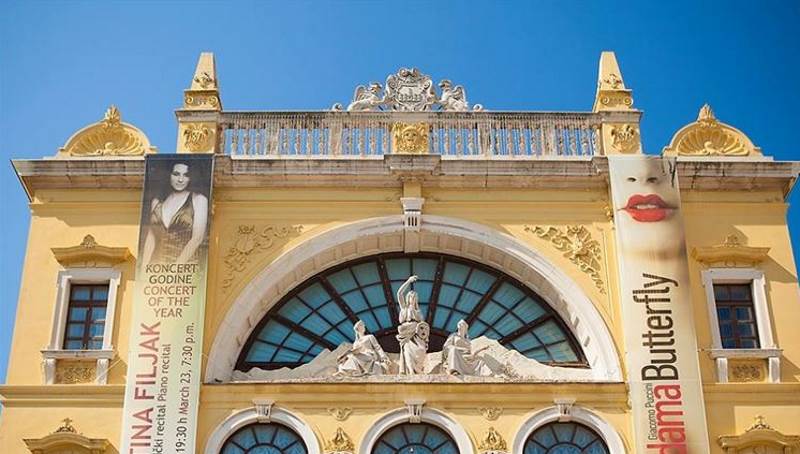
A brief history of the theatre
In 1922 the theatre's own ensemble was founded, making its own productions possible. Part of the ensemble were professionals, part amateurs. A major turning point came with the arrival of Maestro Ivo Tijardović, whose operettas "Mala Floramye" (1926) and "Spli'ski akvarel" (1928) left their mark on the city and its people, as well as on the way of life of this community.
The theatre's first intendant was Ivo Tijardović. The theatre houses busts of great figures of Split's and Croatian culture: Marko Marulić, Gajo Bulat, Ivo Tijardović, Josip Hatze, Josip Gende, Zdravka Krstulović and Boris Dvornik.It is worth mentioning that, over the many centuries of its existence, the HNK Split has managed to preserve the city's cultural identity. This was made possible in particular by numerous theatre productions and concerts. Today the HNK in Split has been a member of the European Theatre Convention since 1999.
The people of Split have given a great deal to their theatre, just as the HNK has given a great deal to Split. It is worth mentioning the institution's longest-serving employee as well – its long-time supplier, occasional actor and extra, best known as the pyrotechnician Milan Tomić Šerif. He worked at the Split HNK for as long as 61 years.
HNK Split – from the beginning to today
The new theatre building of the Municipal Theatre (in the form we still know today) opened on 6 May 1893 at Dobri. The opening was a logical continuation of Split's already rich theatrical history, whose beginnings reach back into antiquity. In the new theatre, alongside the hitherto dominant Italian troupes and artists, domestic and other Slavic artists appeared increasingly often.
The first real attempt to establish a permanent, professional drama ensemble took place in 1898, with the founding of the ensemble of the Croatian Dramatic Society in Spljet, made up of former members of the Zagreb and Varaždin theatres as well as graduates of Miletić's acting school. We have not written “Spljet” by mistake – at that time there was still a debate as to whether the city should officially be called Split or Spljet. This topic is not closely tied to the history of the theatre, so we will not pursue it further; we mention it only as an interesting fact.
Let us return to the work and existence of the HNK Split.
The building underwent its first renovation in 1920, when the first professional drama ensemble was also founded, under the official name of the National Theatre for Dalmatia.In 1928 the professional theatre that had existed until then was dissolved, and by a decision of the then Ministry of Education, the Split theatre was merged with the one in Sarajevo into the so-called National Theatre for the Western Regions.
At the start of 1928, when the end of the National Theatre for Dalmatia was already looming, a group of Split theatre enthusiasts launched the City Opera and Operetta theatre, which soon changed its name to the Split Theatre Society. Until 1936 this society, whose driving spirit was Ivo Tijardović, staged a number of operetta and opera works alongside drama. Many well-known theatre artists from other cities took part in these productions as guests. In 1937 the Split Theatre Volunteers (1937–1940) split off from the Split Theatre Society.
In 1940 the theatre building was renovated once again and the Croatian National Theatre in Split was founded. During this period the theatre comprised Opera, Drama and Ballet. The first intendant was Ivo Tijardović, Marko Fotez headed the Drama, Oskar Jozefović led the Opera, and Ana Roje the Ballet.
The theatre's work did not last long, as it was interrupted as early as 1941 due to the Italian occupation.After liberation and the arrival of peacetime conditions, the National Theatre in Split was founded on 1 July 1945; its core was the Theatre of the National Liberation of Dalmatia, established on the island of Vis in 1944. The first season opened on 27 September 1945 with a performance of Mirko Bogović's tragedy Matija Gubec, King of the Peasants. A professional theatre has operated continuously in Split from that day to the present.
In February 1970 the theatre building was almost completely destroyed by fire. After a brief pause, performances began to be held again, first at the annexe of the JNA Hall, and then at the Split cinema within the Split Shipyard Hall. It took almost an entire decade for the theatre building at Dobri to be restored.
Only in March 1978, according to the design of architect Boško Rašica, did work begin on the building's restoration. On that occasion the building was also extended, and its new form (which we still enjoy today) was ceremonially unveiled on 19 May 1980.
Private accommodation in Split – directly from the owners
All accommodation in Split →Apartman AnicaSplitCapacity: 4 · To the sea: 200 mfrom 20 € per person / nightView offerLuxury modern apartment on beachSplitCapacity: 2-4 · To the sea: 20 mfrom 8,50 € per person / nightView offerSplit Green Eden & Blue HorizonSplitCapacity: 2-6 · To the sea: 200 mView offerApartman JagodaSplitCapacity: 2-4 · To the sea: 20 mfrom 25 € per person / nightView offerApartmani BlaževićSplitCapacity: 2-8 · To the sea: 10 mfrom 8 € per person / nightView offerIvona ApartmentsSplitCapacity: 6 · To the sea: 50 mView offerFollow us on Facebook for more articles about Croatia. Share this article using the buttons on the right. Thank you!
Upgrade this article
Bio si na ovom mjestu? Podijeli s nama svoja iskustva ili fotografije.
Napiši svoju verziju članka. Nagrađujemo vlasnike apartmana.