
Many have heard of Split, and how could they not, since it is the largest city in Dalmatia. Yes, Split is the largest city in Dalmatia in terms of its size, but also in terms of its events and, finally, its tourist options.
It is the second largest city in Croatia and, since it lies on the coast, it is certainly an interesting tourist destination.
We will take the opportunity to present Split in this way – as a tourist city.
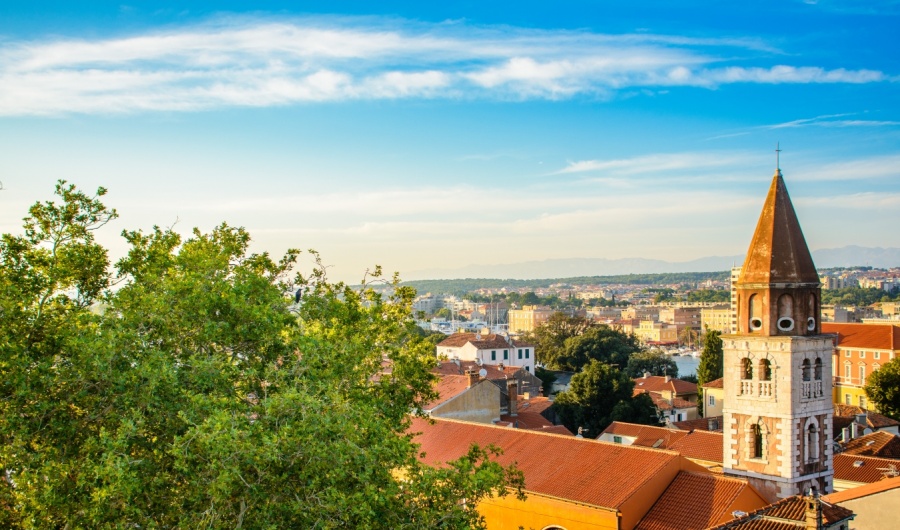
Split is the second largest Croatian port and the third port on the Mediterranean, at least as far as passenger transport is concerned. The city centre is surrounded by the ancient Palace of Diocletian from the 4th century, which has been under UNESCO protection since 1979, a unique example in the world.
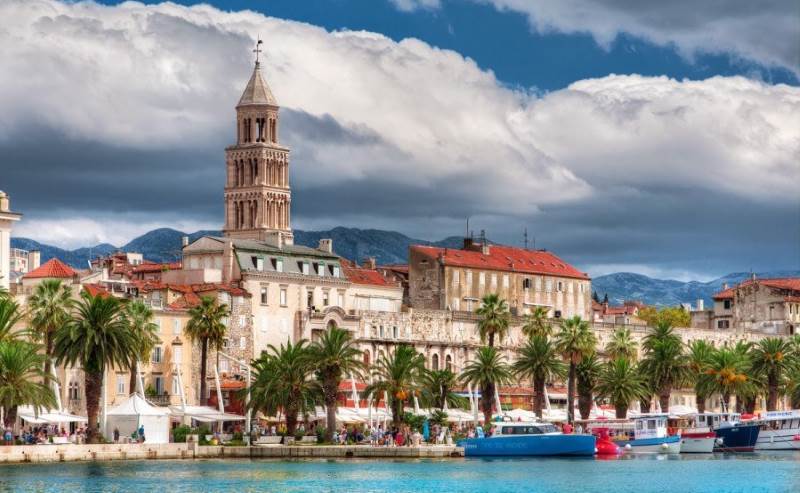 Croatian tourism is one of the most important economic branches of the Republic of Croatia. Thanks to its favourable geographical position, its location on the coast and its rich historical heritage, it is only natural that tourism came to Split. The history of tourism in Croatia gained importance in the middle of the 19th century, more precisely around 1850, when the city of Split itself also recorded its beginnings in tourism. Tourism has developed successfully up to the present day, and Split has become one of the more significant tourist cities.
Split has been of great importance since the very beginnings of Croatian tourism, but only nowadays do we consider that it is not merely a transit city. Although it is an important port for passenger traffic, many guests come to Split deliberately and stay there for several days. Split has become a popular destination and a growing number of guests come from all corners of the world.
Besides sightseeing the antiquities of Split, this city offers a host of other attractions. Various cultural events, business conventions and entertaining gatherings place Split among the most visited cities in the world.
According to some data, over the past couple of years Split has had the highest annual percentage growth in the number of arrivals and overnight stays. This means that Split is showing strong growth in this respect, and the upward trend continues. Many open-air concerts, festivals and similar entertainment have made this city a favourite place for young people.
According to statistics, the largest number of tourists in Split come from Germany, followed by tourists from France, Italy, Great Britain, Spain and, finally, the United States of America. From these statistics we can conclude that guests come to Split deliberately, with intent and not just by chance – on the way.
Split's tourist growth has been rising steadily in recent years, with only a slight dip recorded in 2009, when the world was hit by the recession. Split achieved record results in tourism in 2012. We will mention just a few figures: 280,207 tourist arrivals were recorded, which is 9% more than in 2011, and 749,168 overnight stays, an increase of 12%. This shift in the tourism data also reveals the end of the long-standing perception of Split's tourism as a transit destination. In short – Split is not a city you pass through – it is a city that offers a wealth of attractions and invites all of you to visit it.
When we speak of the great progress of tourism in Split, we must certainly mention the large increase in the number of beds in private accommodation. Namely, in 2012 the number of beds in private accommodation rose by as much as 50% compared with 2011.
The large offer of apartments in Split grows from year to year. Every season brings even more accommodation capacity, both in hotel accommodation and in private accommodation.
The number of landlords has increased considerably over the past 5 years, and that number is still rising significantly. In recent years a new trend has been noticed in Split – young families, after finishing school, move in with their parents together with their children and rent out their own flats during the summer season. In this way families fill their household budget and open up opportunities for the tourist growth of their city.
In addition, a noticeable increase in landlords can be seen in the elite city quarters such as Meje, Bačvice, Zenta and Žnjan, as well as in the less attractive quarters of Visoka, Split 3, Škrape and Blate, where in the summer months the flats in which students live in winter are filled by tourists at affordable prices.
From everything written so far we can conclude that Split is unique in the world. This city has doubled its number of overnight stays in 4 years without building new hotel facilities. The number of hostels is constantly growing, and there is also a noticeable increase in the number of tourists with the popular backpacks on their backs.
Resnik Airport helps the development of tourism in this city in every respect. In recent years the airport itself has recorded a considerable increase in the number of passengers, as well as in the number of new companies wishing to arrange flights to Split.
In terms of traffic, the city of Split is an important hub on the Mediterranean. It is a city where ship, road, rail and air transport intersect. The city port records constant growth in the number of passengers and, with traffic of over four million passengers, is the third port on the Mediterranean.
The Split port has for many years successfully maintained regular ferry connections with Italy. One of the more important ferry connections is Split – Ancona and Ancona – Split. The Port of Split is also of great importance for the city of Split, but also for the economic development of our homeland. It is of special international and economic interest for Croatia, which is good, since this port records growth in the number of passengers, vehicles and ships year after year, and its main berth in Dalmatia.
With the flourishing of tourism in Split, an increase in the number of restaurants, souvenir shops and travel agencies can be felt. Besides this, Split becomes richer every year with new events and various entertainment programmes in halls and in the open air.
Young people like to come to this city, especially because of the interesting offer it has. We will mention some of the main events in Split.
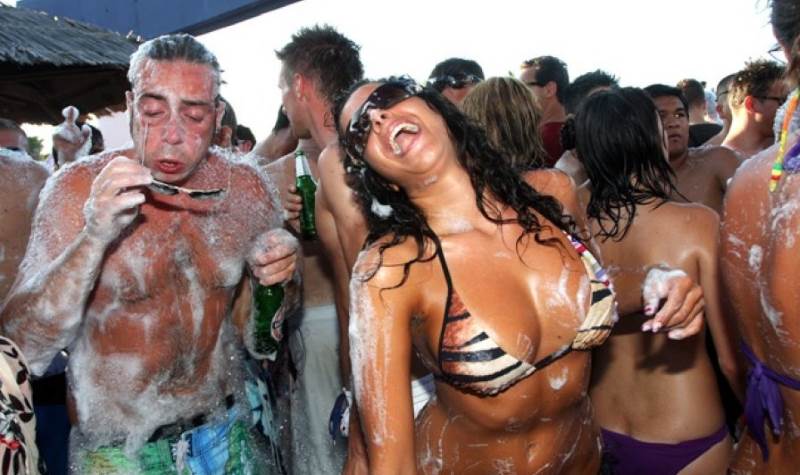 Since 2014 Split has been hosting the Ultra Europe festival. It is one of the best-known world festivals for young people. Electronic music, partying until the early morning hours and lots of fun are an excellent combination that attracts many guests to our city. During this festival Split is literally packed. Accommodation capacities are full to the last bed, so young people often look for alternative accommodation. During that period it is nothing unusual to see many guests looking for a night in private flats or houses.
Besides entertainment for young people, Split is a city of rich content in every respect. Cultural heritage, historical events and the development of the city are certainly elements that have their legacy. If you are interested, we invite you to Split and to some of its events.
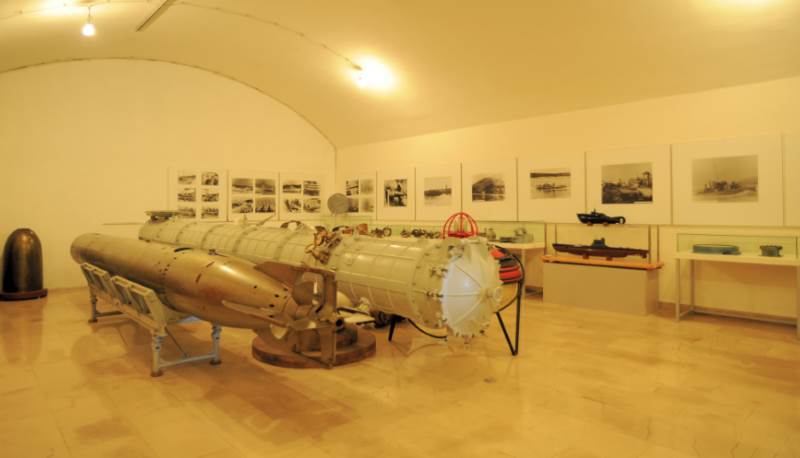
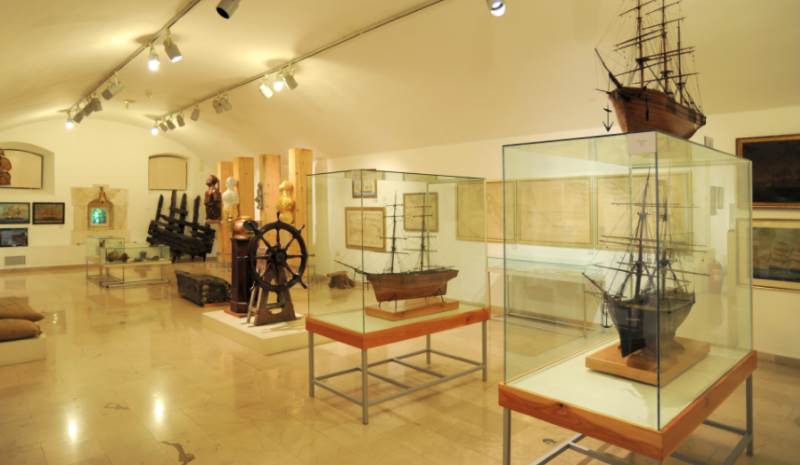
Museum Night – This is a major cultural event of Croatian museums, 'MUSEUM NIGHT', organised by the Croatian Museum Society in cooperation with some 70 Croatian museums. It is held at the end of January. This event confirms the importance of Croatian museums for the overall cultural and tourist offer. If you like to visit museums, explore them and look at the exhibits, be sure to come.
 Days of Christian Culture – For 10 years now this event has been delighting the people of Split and those who come to visit this city. The international event Days of Christian Culture is held in April, and since then it has become a recognisable programme that makes a significant contribution to the cultural richness and diversity of Croatian society.
World Championship in picigin – Picigin originated in Split and is considered the "most Split" sport. If you do not yet know what picigin is, we suggest you look up and study this game. If you visit the most famous Split beach, Bačvice – you will certainly see how picigin is played. The championship is held in June.
Days of Diocletian – This event brings Split back to the time when the famous Roman emperor Diocletian walked its streets. Roman legions line up on the city streets and squares, and Emperor Diocletian, together with a procession of Roman legions and chariots, passes along the Riva and the Peristyle, where Diocletian's co-rulers, together with their families, greet those gathered. During this event the sounds of fanfares, drummers and Roman music can be heard throughout the city. Come at the right time and feel the atmosphere of history.
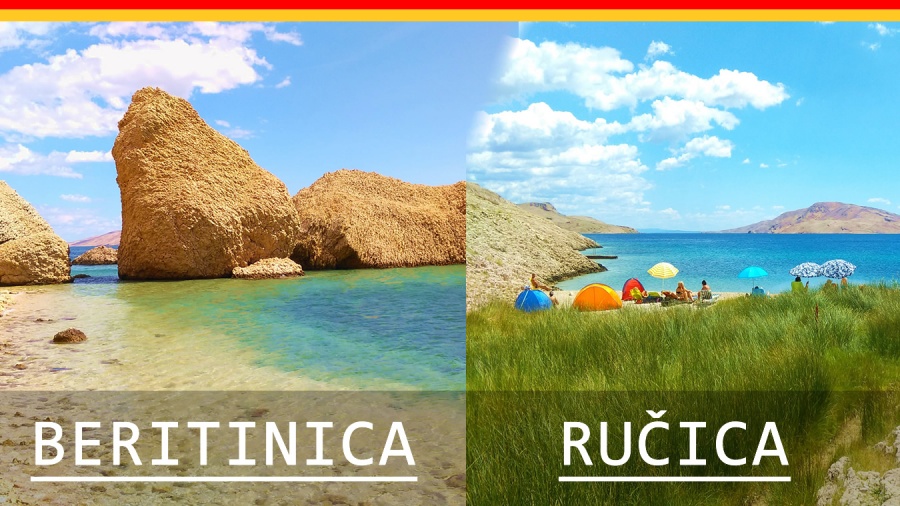
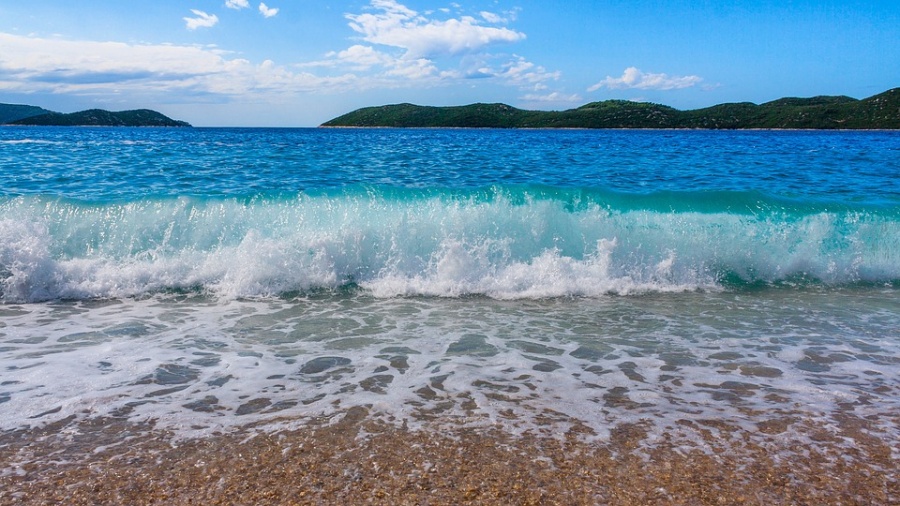
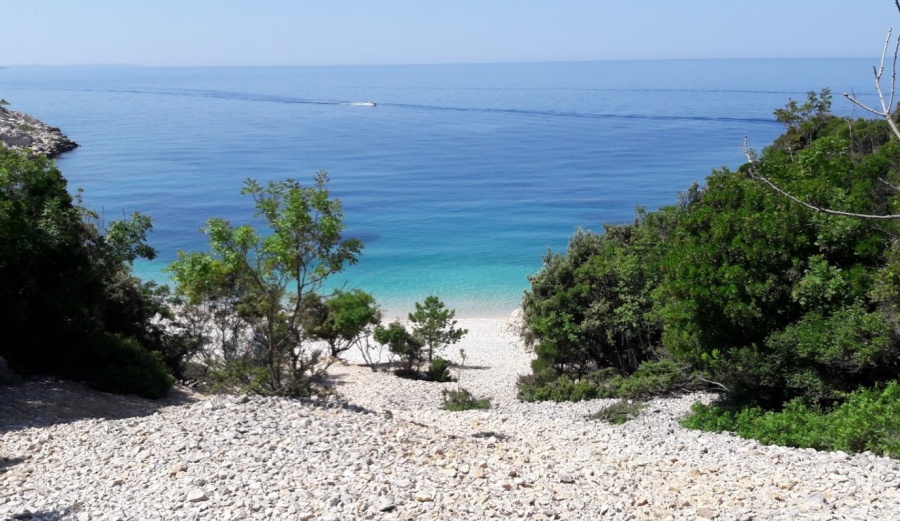
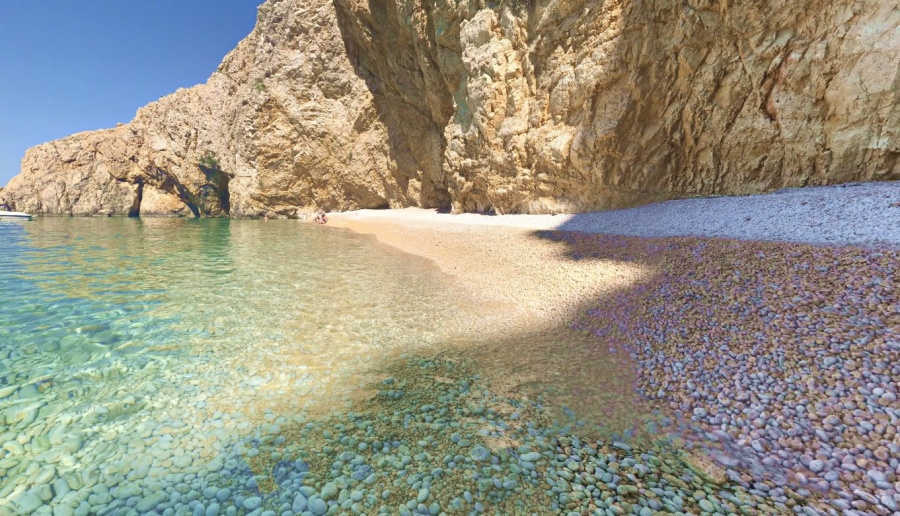
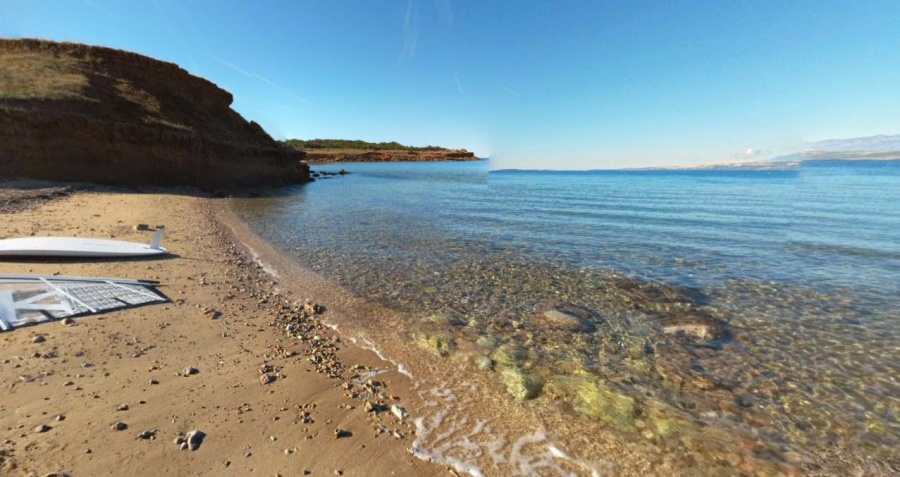
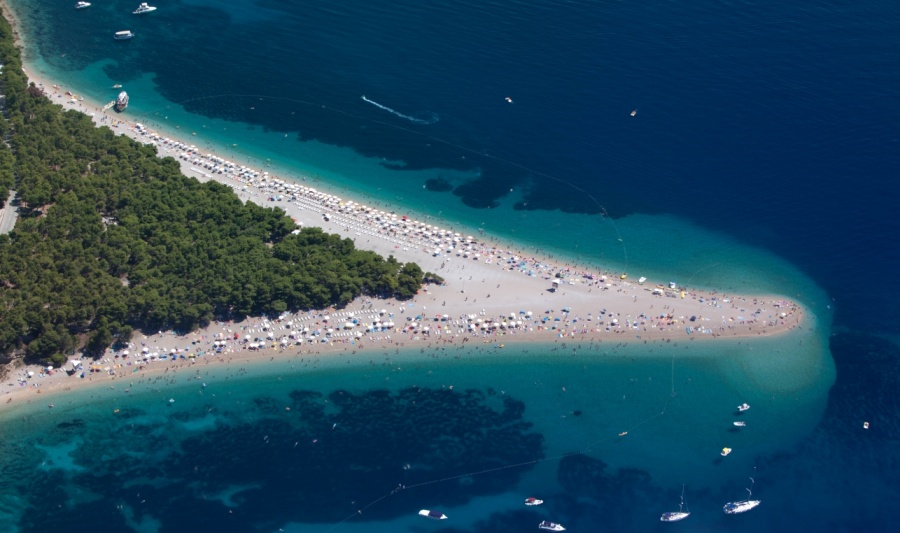
The Split Riviera is adorned with many beautiful beaches. Split is thus rich in a large number of sandy, pebbly and rocky beaches, but some of them stand out.
We will mention the most famous beaches in Split and its surroundings.
First we must mention Bačvice Beach – This sandy beach is in a way a symbol of the city, and the place where the most Split sport is played. You have guessed it – it is picigin. Bačvice beach is the favourite bathing spot of most Splitians and their guests. It has been awarded the Blue Flag, which says enough about the cleanliness and order of this beach. On the beach you will find numerous bars and cafés, restaurants and various stalls with suitable offers. On the beach you can rent sunshades and sunbeds, or simply surrender to the sand and relax to the cheerful sounds of other guests.
Trstenik Beach – Trstenik is a pebble beach suitable for all ages. It is located on the eastern part of the city of Split and is very well equipped. Here you can rent sunshades and sunbeds, or find refreshment in one of the nearby bars. The beach is nicely laid out, clean and quite full. The clean and moderately warm sea will attract many guests to come here. Young couples and parents with small children will also feel at home on the beach. Everyone will find something for themselves, even older couples who want to spend a peaceful holiday in the shady part of the terrace of one of the nearby restaurants.
Žnjan Beach – A Split beach of a sporting character. Not far from Trstenik beach lies Žnjan beach. It is a pebble beach, a favourite gathering place for lovers of water sports and beach volleyball. On the beach there are catering facilities which, with their varied offer, will make your stay even more pleasant. The beach has a specially arranged and adapted section for the undisturbed stay of people with disabilities. The beach is well visited and will suit those who enjoy company and a lively beach.
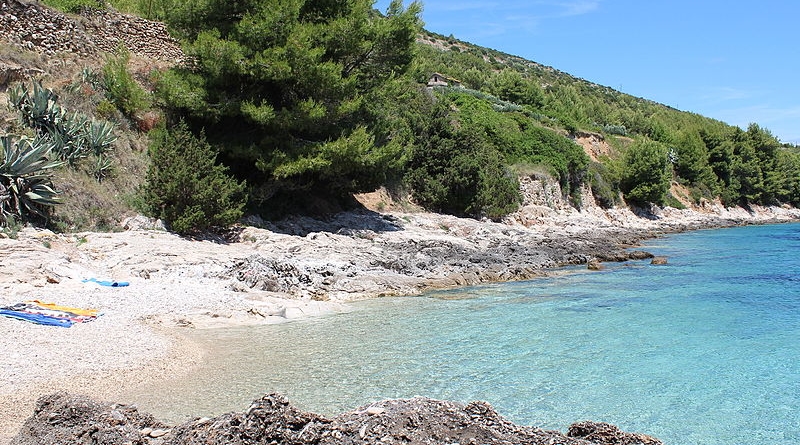
Kaštelet – A wonderful beach covered in white pebbles, located on the south side of Marjan. This beach is ideal for families with children, but others will also enjoy themselves and relax on it. If you need shade, we advise you to sit on the terrace of one of the nearby bars.
Kašjuni Beach in Split – This pebble beach is located near Kaštelet beach. It is positioned on the south side of Marjan. There is no natural shade on the beach, so guests will have to find shelter from the strong sun in a nearby café.
Bene – Bene beach is located on the north side of Marjan hill. You will not reach Bene beach by car, but the city bus number 12 will take you very close to the beach. On the beach you can have fun with various sporting activities and recreational facilities, or simply relax in the shade of the nearby pine trees. Bene beach has a section arranged for people with disabilities.
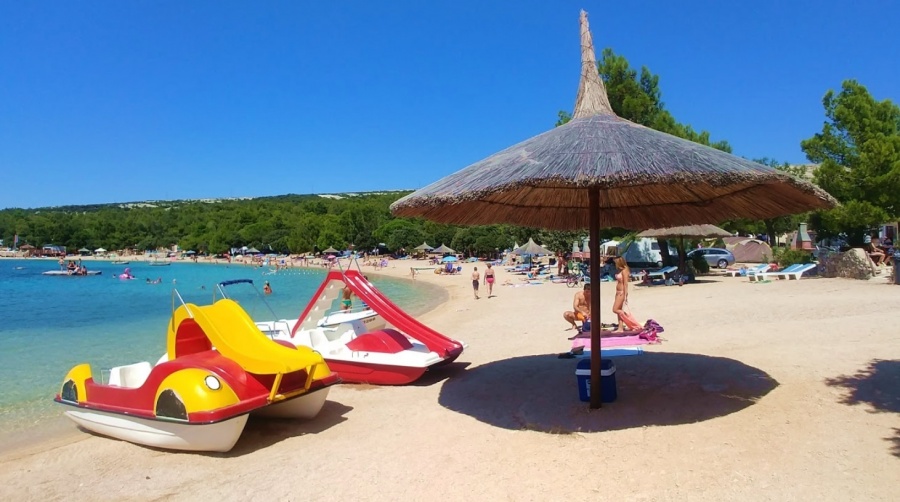
Stobreč – The sandy beach of the Stobreč camp is the proud holder of a Blue Flag. On the beach you can find something for everyone. There are various sporting and recreational facilities, bars and cafés, restaurants and various other offers.
Resnik Beach – This beach is made of pebbles and is located between Trogir and Kaštel Štafilić. It offers a truly rich range of sporting and recreational facilities. On the beach and in its immediate vicinity there are restaurants and bars. The beach is ideal for families with children, as well as for those who want sporting activities.
Divulje – This beach near Split is located in the town of Kaštel Štafilić. It is pebbly and suitable for all ages. On the beach you can rent sunshades and sunbeds, and it is best to seek refreshment in a nearby bar.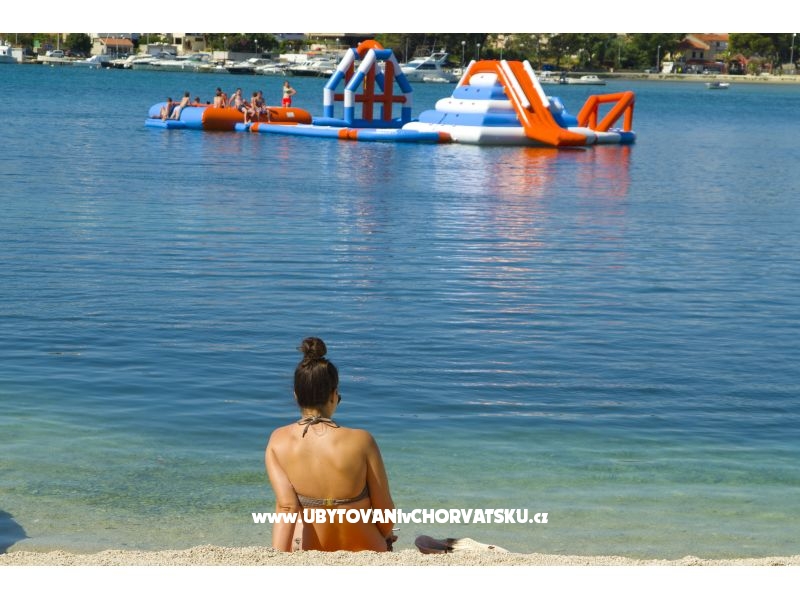 Apartman AnicaSplitCapacity: 4 · To the sea: 200 mfrom 20 € per person / nightView offer
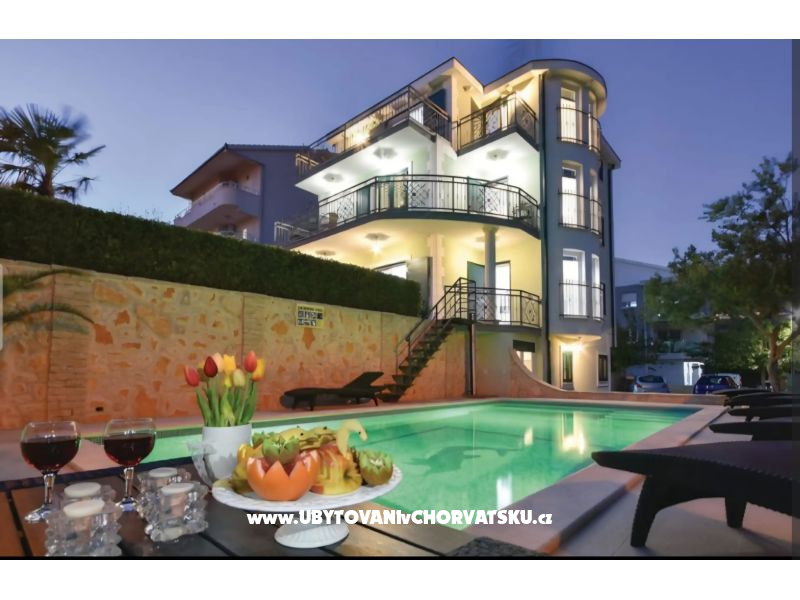 Green paradise villaSplitCapacity: 4-11 · To the sea: 1 kmView offer
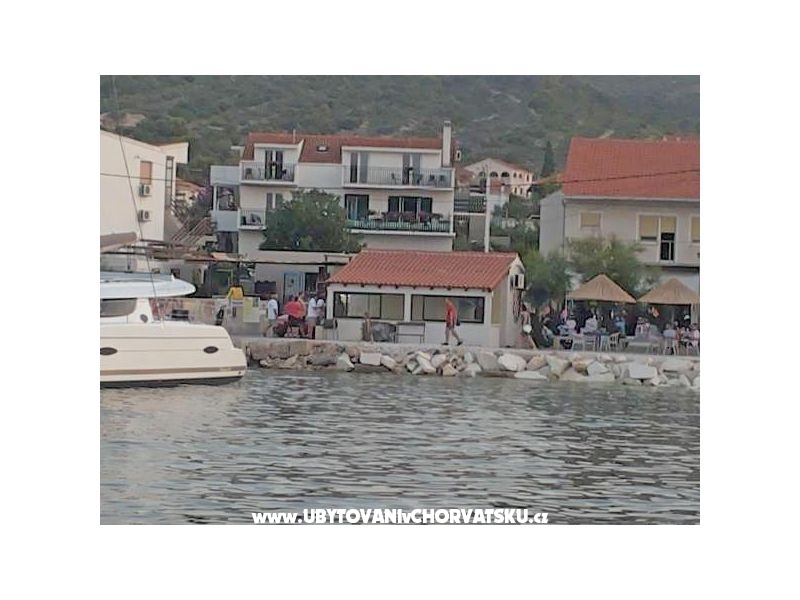 Apartments SILVA /SplitCapacity: 4-8 · To the sea: 20 mView offer
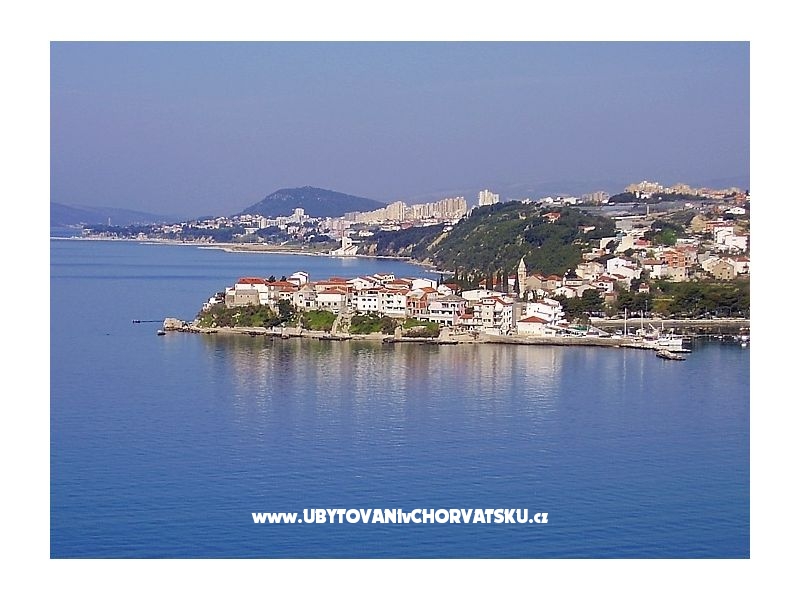 Apartman JagodaSplitCapacity: 2-4 · To the sea: 20 mfrom 25 € per person / nightView offer
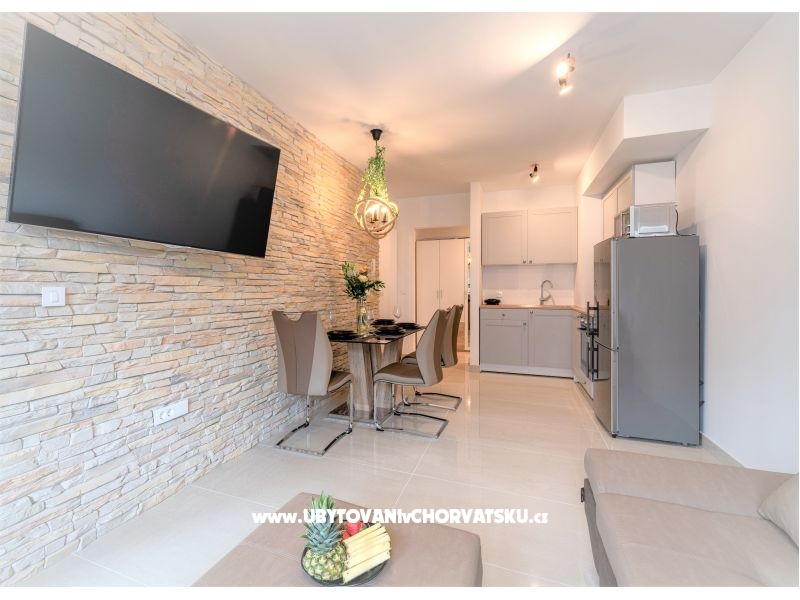 Luxury modern apartment on beachSplitCapacity: 2-4 · To the sea: 20 mfrom 8,50 € per person / nightView offer
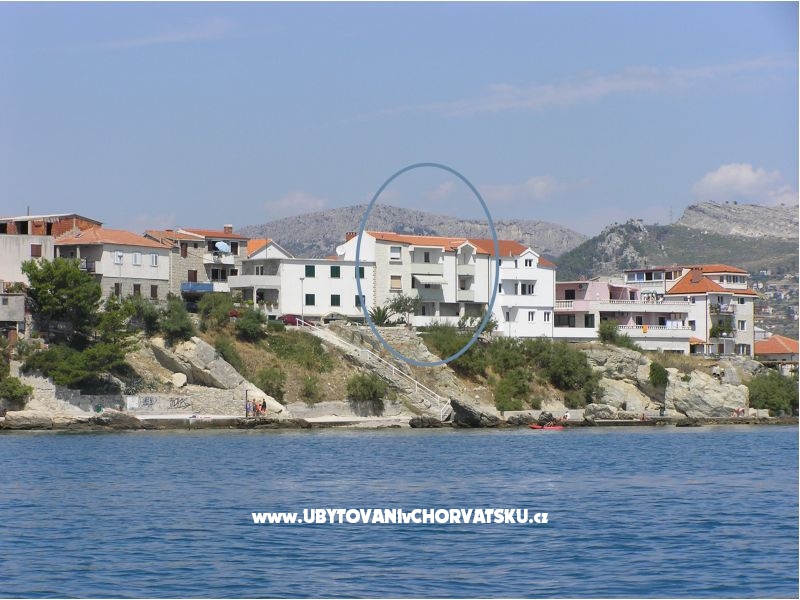 Apartmani BlaževićSplitCapacity: 2-8 · To the sea: 10 mfrom 8 € per person / nightView offer
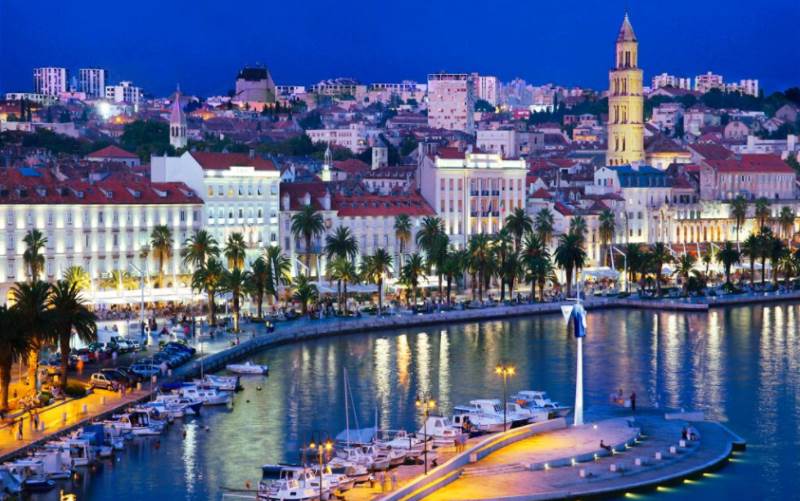
We will take the opportunity to present Split in this way – as a tourist city.
Split is the second largest Croatian port and the third port on the Mediterranean, at least as far as passenger transport is concerned. The city centre is surrounded by the ancient Palace of Diocletian from the 4th century, which has been under UNESCO protection since 1979, a unique example in the world.
Split beaches
Croatian tourism is one of the most important economic branches of the Republic of Croatia. Thanks to its favourable geographical position, its location on the coast and its rich historical heritage, it is only natural that tourism came to Split. The history of tourism in Croatia gained importance in the middle of the 19th century, more precisely around 1850, when the city of Split itself also recorded its beginnings in tourism. Tourism has developed successfully up to the present day, and Split has become one of the more significant tourist cities.Tourism in Split
Split has been of great importance since the very beginnings of Croatian tourism, but only nowadays do we consider that it is not merely a transit city. Although it is an important port for passenger traffic, many guests come to Split deliberately and stay there for several days. Split has become a popular destination and a growing number of guests come from all corners of the world.
Besides sightseeing the antiquities of Split, this city offers a host of other attractions. Various cultural events, business conventions and entertaining gatherings place Split among the most visited cities in the world.
According to some data, over the past couple of years Split has had the highest annual percentage growth in the number of arrivals and overnight stays. This means that Split is showing strong growth in this respect, and the upward trend continues. Many open-air concerts, festivals and similar entertainment have made this city a favourite place for young people.
According to statistics, the largest number of tourists in Split come from Germany, followed by tourists from France, Italy, Great Britain, Spain and, finally, the United States of America. From these statistics we can conclude that guests come to Split deliberately, with intent and not just by chance – on the way.
Split's tourist growth has been rising steadily in recent years, with only a slight dip recorded in 2009, when the world was hit by the recession. Split achieved record results in tourism in 2012. We will mention just a few figures: 280,207 tourist arrivals were recorded, which is 9% more than in 2011, and 749,168 overnight stays, an increase of 12%. This shift in the tourism data also reveals the end of the long-standing perception of Split's tourism as a transit destination. In short – Split is not a city you pass through – it is a city that offers a wealth of attractions and invites all of you to visit it.
Private accommodation in Split
When we speak of the great progress of tourism in Split, we must certainly mention the large increase in the number of beds in private accommodation. Namely, in 2012 the number of beds in private accommodation rose by as much as 50% compared with 2011.
The large offer of apartments in Split grows from year to year. Every season brings even more accommodation capacity, both in hotel accommodation and in private accommodation.
The number of landlords has increased considerably over the past 5 years, and that number is still rising significantly. In recent years a new trend has been noticed in Split – young families, after finishing school, move in with their parents together with their children and rent out their own flats during the summer season. In this way families fill their household budget and open up opportunities for the tourist growth of their city.
In addition, a noticeable increase in landlords can be seen in the elite city quarters such as Meje, Bačvice, Zenta and Žnjan, as well as in the less attractive quarters of Visoka, Split 3, Škrape and Blate, where in the summer months the flats in which students live in winter are filled by tourists at affordable prices.
From everything written so far we can conclude that Split is unique in the world. This city has doubled its number of overnight stays in 4 years without building new hotel facilities. The number of hostels is constantly growing, and there is also a noticeable increase in the number of tourists with the popular backpacks on their backs.
Split airport and the Port of Split
Resnik Airport helps the development of tourism in this city in every respect. In recent years the airport itself has recorded a considerable increase in the number of passengers, as well as in the number of new companies wishing to arrange flights to Split.
In terms of traffic, the city of Split is an important hub on the Mediterranean. It is a city where ship, road, rail and air transport intersect. The city port records constant growth in the number of passengers and, with traffic of over four million passengers, is the third port on the Mediterranean.
The Split port has for many years successfully maintained regular ferry connections with Italy. One of the more important ferry connections is Split – Ancona and Ancona – Split. The Port of Split is also of great importance for the city of Split, but also for the economic development of our homeland. It is of special international and economic interest for Croatia, which is good, since this port records growth in the number of passengers, vehicles and ships year after year, and its main berth in Dalmatia.
An offer we must single out
With the flourishing of tourism in Split, an increase in the number of restaurants, souvenir shops and travel agencies can be felt. Besides this, Split becomes richer every year with new events and various entertainment programmes in halls and in the open air.
Young people like to come to this city, especially because of the interesting offer it has. We will mention some of the main events in Split.
Since 2014 Split has been hosting the Ultra Europe festival. It is one of the best-known world festivals for young people. Electronic music, partying until the early morning hours and lots of fun are an excellent combination that attracts many guests to our city. During this festival Split is literally packed. Accommodation capacities are full to the last bed, so young people often look for alternative accommodation. During that period it is nothing unusual to see many guests looking for a night in private flats or houses.Besides entertainment for young people, Split is a city of rich content in every respect. Cultural heritage, historical events and the development of the city are certainly elements that have their legacy. If you are interested, we invite you to Split and to some of its events.
We will mention them only briefly
Museum Night – This is a major cultural event of Croatian museums, 'MUSEUM NIGHT', organised by the Croatian Museum Society in cooperation with some 70 Croatian museums. It is held at the end of January. This event confirms the importance of Croatian museums for the overall cultural and tourist offer. If you like to visit museums, explore them and look at the exhibits, be sure to come.
Days of Christian Culture – For 10 years now this event has been delighting the people of Split and those who come to visit this city. The international event Days of Christian Culture is held in April, and since then it has become a recognisable programme that makes a significant contribution to the cultural richness and diversity of Croatian society.World Championship in picigin – Picigin originated in Split and is considered the "most Split" sport. If you do not yet know what picigin is, we suggest you look up and study this game. If you visit the most famous Split beach, Bačvice – you will certainly see how picigin is played. The championship is held in June.
Days of Diocletian – This event brings Split back to the time when the famous Roman emperor Diocletian walked its streets. Roman legions line up on the city streets and squares, and Emperor Diocletian, together with a procession of Roman legions and chariots, passes along the Riva and the Peristyle, where Diocletian's co-rulers, together with their families, greet those gathered. During this event the sounds of fanfares, drummers and Roman music can be heard throughout the city. Come at the right time and feel the atmosphere of history.
Finally, let us also mention the Split beaches
The Split Riviera is adorned with many beautiful beaches. Split is thus rich in a large number of sandy, pebbly and rocky beaches, but some of them stand out.
We will mention the most famous beaches in Split and its surroundings.
First we must mention Bačvice Beach – This sandy beach is in a way a symbol of the city, and the place where the most Split sport is played. You have guessed it – it is picigin. Bačvice beach is the favourite bathing spot of most Splitians and their guests. It has been awarded the Blue Flag, which says enough about the cleanliness and order of this beach. On the beach you will find numerous bars and cafés, restaurants and various stalls with suitable offers. On the beach you can rent sunshades and sunbeds, or simply surrender to the sand and relax to the cheerful sounds of other guests.
Trstenik Beach – Trstenik is a pebble beach suitable for all ages. It is located on the eastern part of the city of Split and is very well equipped. Here you can rent sunshades and sunbeds, or find refreshment in one of the nearby bars. The beach is nicely laid out, clean and quite full. The clean and moderately warm sea will attract many guests to come here. Young couples and parents with small children will also feel at home on the beach. Everyone will find something for themselves, even older couples who want to spend a peaceful holiday in the shady part of the terrace of one of the nearby restaurants.
Žnjan Beach – A Split beach of a sporting character. Not far from Trstenik beach lies Žnjan beach. It is a pebble beach, a favourite gathering place for lovers of water sports and beach volleyball. On the beach there are catering facilities which, with their varied offer, will make your stay even more pleasant. The beach has a specially arranged and adapted section for the undisturbed stay of people with disabilities. The beach is well visited and will suit those who enjoy company and a lively beach.
Kaštelet – A wonderful beach covered in white pebbles, located on the south side of Marjan. This beach is ideal for families with children, but others will also enjoy themselves and relax on it. If you need shade, we advise you to sit on the terrace of one of the nearby bars.
Kašjuni Beach in Split – This pebble beach is located near Kaštelet beach. It is positioned on the south side of Marjan. There is no natural shade on the beach, so guests will have to find shelter from the strong sun in a nearby café.
Bene – Bene beach is located on the north side of Marjan hill. You will not reach Bene beach by car, but the city bus number 12 will take you very close to the beach. On the beach you can have fun with various sporting activities and recreational facilities, or simply relax in the shade of the nearby pine trees. Bene beach has a section arranged for people with disabilities.
Stobreč – The sandy beach of the Stobreč camp is the proud holder of a Blue Flag. On the beach you can find something for everyone. There are various sporting and recreational facilities, bars and cafés, restaurants and various other offers.
Resnik Beach – This beach is made of pebbles and is located between Trogir and Kaštel Štafilić. It offers a truly rich range of sporting and recreational facilities. On the beach and in its immediate vicinity there are restaurants and bars. The beach is ideal for families with children, as well as for those who want sporting activities.
Divulje – This beach near Split is located in the town of Kaštel Štafilić. It is pebbly and suitable for all ages. On the beach you can rent sunshades and sunbeds, and it is best to seek refreshment in a nearby bar.
Private accommodation in Split – directly from the owners
All accommodation in Split →Apartman AnicaSplitCapacity: 4 · To the sea: 200 mfrom 20 € per person / nightView offerGreen paradise villaSplitCapacity: 4-11 · To the sea: 1 kmView offerApartments SILVA /SplitCapacity: 4-8 · To the sea: 20 mView offerApartman JagodaSplitCapacity: 2-4 · To the sea: 20 mfrom 25 € per person / nightView offerLuxury modern apartment on beachSplitCapacity: 2-4 · To the sea: 20 mfrom 8,50 € per person / nightView offerApartmani BlaževićSplitCapacity: 2-8 · To the sea: 10 mfrom 8 € per person / nightView offerFollow us on Facebook for more articles about Croatia. Share this article using the buttons on the right. Thank you!
Upgrade this article
Bio si na ovom mjestu? Podijeli s nama svoja iskustva ili fotografije.
Napiši svoju verziju članka. Nagrađujemo vlasnike apartmana.