

Učka Nature Park is located on Mount Učka, near the city of Rijeka and the Kvarner region. It was declared a protected area in 1999 and covers 160 square kilometres. The park's and the mountain's highest peaks are Vojak at 1396 m and Veliki Planik at 1272 m.
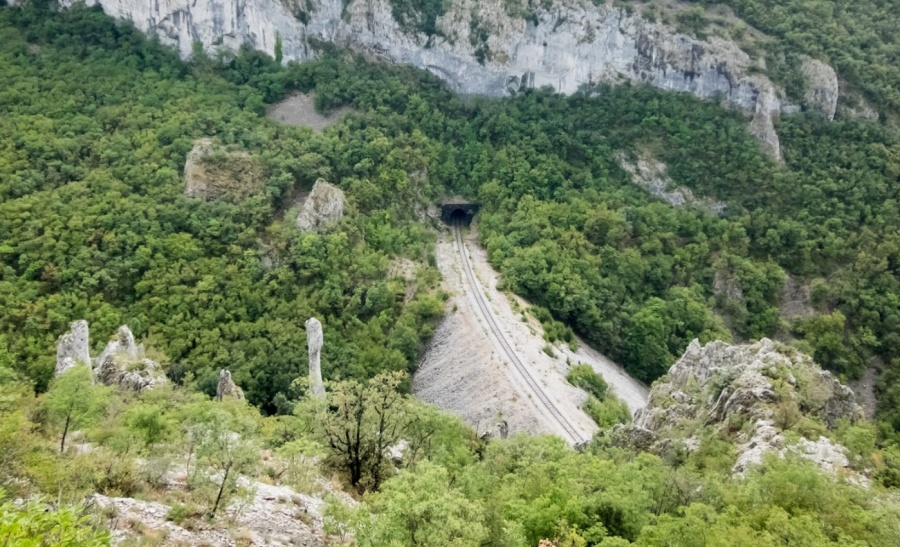
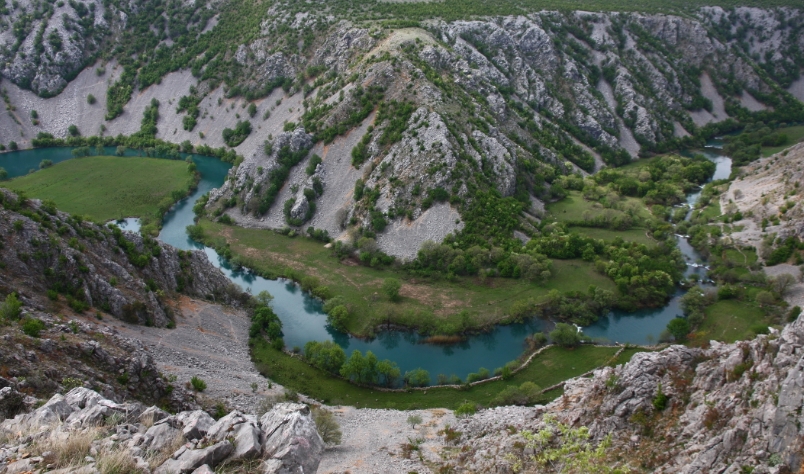
The park is recognisable for its unique relief and rocks, which were formed around 140 million years ago by the deposition of the remains of organisms that lived in the ocean which then covered this area. Over time, the sediment turned into limestone. Through the action of tectonic plates, massive layers were uplifted, creating the mountain ranges of the Alps and the Dinarides, of which Mount Učka is also a part. The Vela Draga canyon is a special geomorphological area and a natural monument. It is characterised by limestone pillars and rocks that formed through the deposition of limestone, and then through subsequent tectonic uplift and fracturing. The canyon is very attractive for free climbing and is one of the most popular destinations for this sport in Croatia.
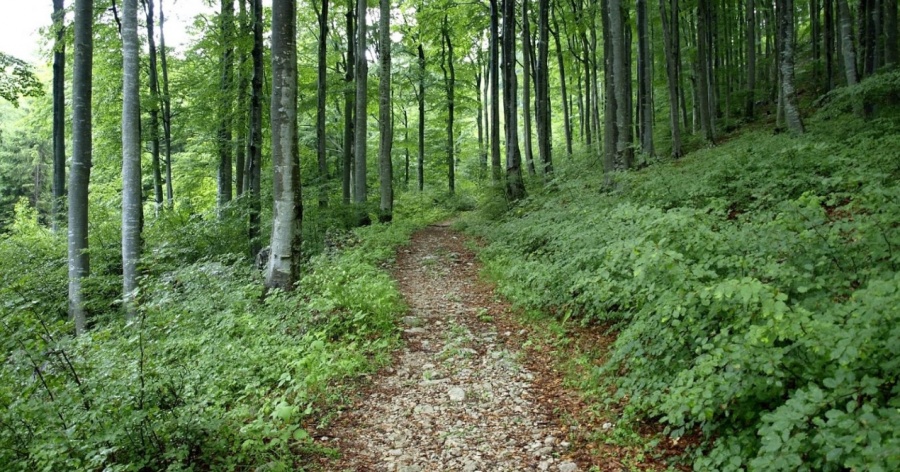
The parts of Učka and Ćićarija that belong to the beech forest zone may at first glance seem like a continental area of the Primorje-Gorski Kotar and Istria counties, but that is not the case. This area is distinguished by its own special natural features. Ćićarija, and especially Učka, represent special, isolated Mediterranean mountains. The beech forests in this part rise like islands above the submediterranean area. They are not continuously connected to the continental expanses of beech forests.
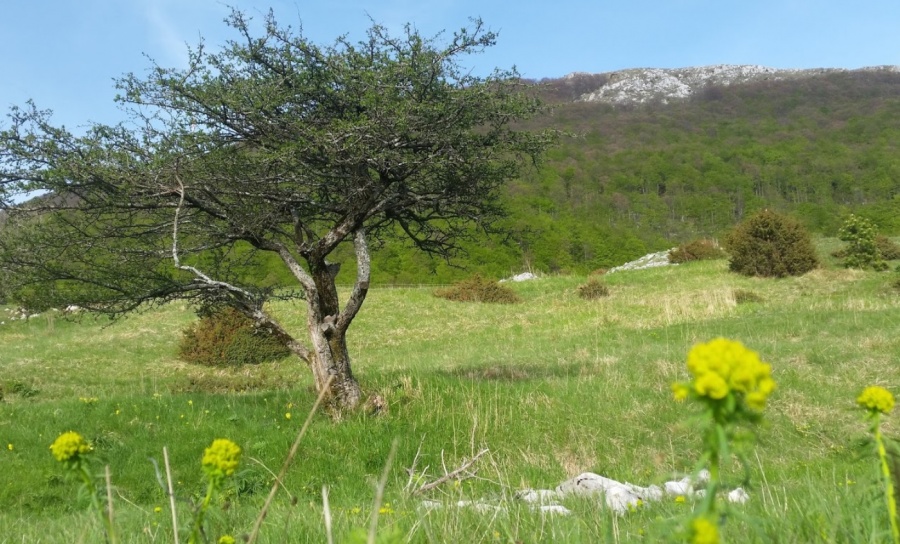
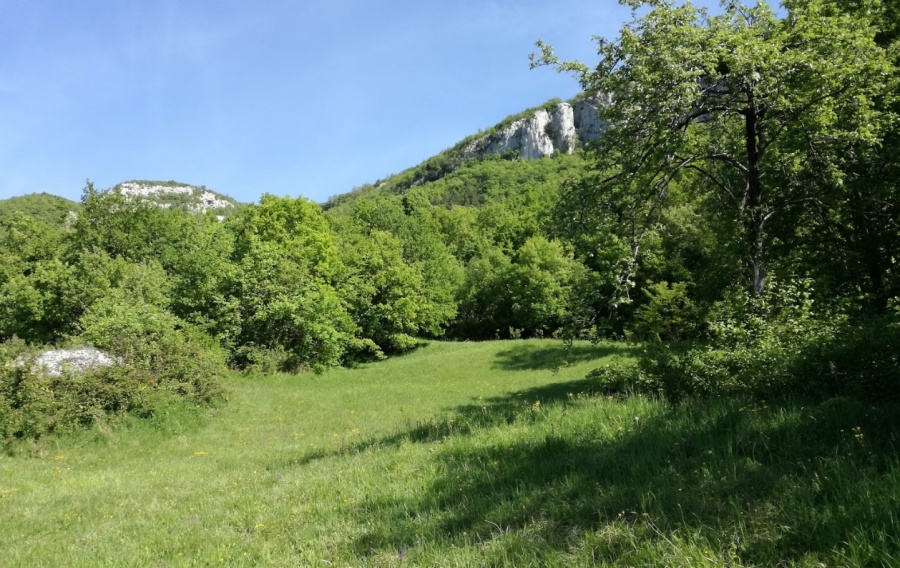
It is interesting to note that some less accessible areas of Učka and Ćićarija are still insufficiently explored today. Systematic research into the flora has only recently begun, in order to renew and deepen knowledge about individual species and their distribution. The aim is to react in time, in the context of preserving natural diversity in every sense.
Učka and Ćićarija have a special geographical position, which provides diversity and a range of altitudes. All of this has also had an impact on the animal world, which has developed according to the rules of nature in this area.
The fauna has also not been sufficiently researched, which should change as soon as possible. Carrying out scientific research is essential, in order to obtain accurate data on the state of the fauna in the Park.
Učka is the highest mountain in Istria, and on its highest peak, Vojak, there is a stone tower from which a panoramic view extends over Istria, the islands of the northern Adriatic, Venice and the Alps. Učka is special for its endemic plant species, the Učka bellflower, but also for the griffon vulture and the golden eagle, which have almost disappeared from Europe. Visitors can also walk along the Plas and Vela Draga educational trails, which are about 2 kilometres long.
 Nautilus Luxury ApartmentsRijekaCapacity: 2-14 · To the sea: 200 mView offer
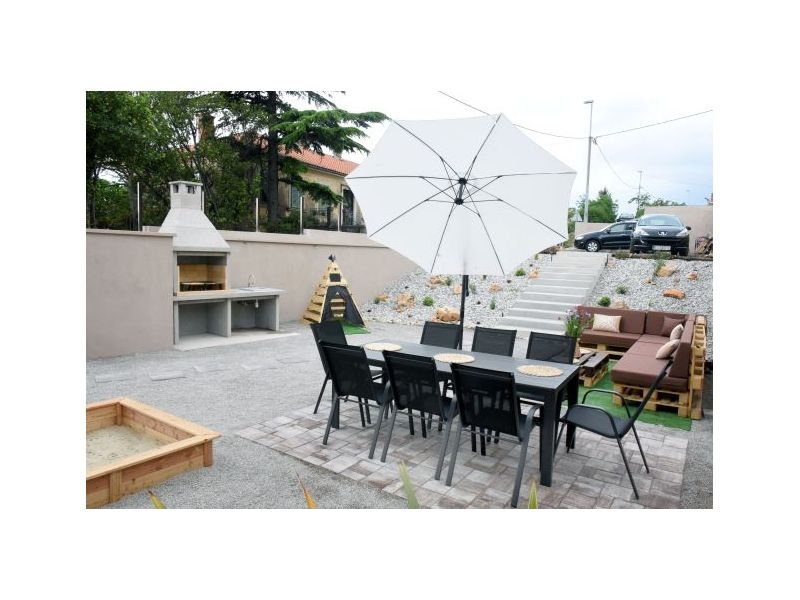 Dream Apartment RijekaRijekaCapacity: 1-15 · To the sea: 300 mView offer
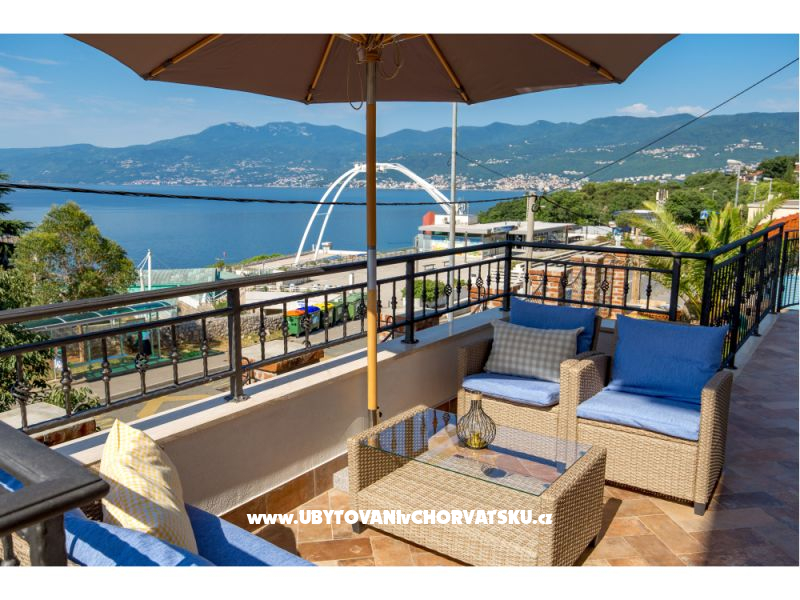 Apartman Villa MariaRijekaCapacity: 2-7 · To the sea: 30 mView offer
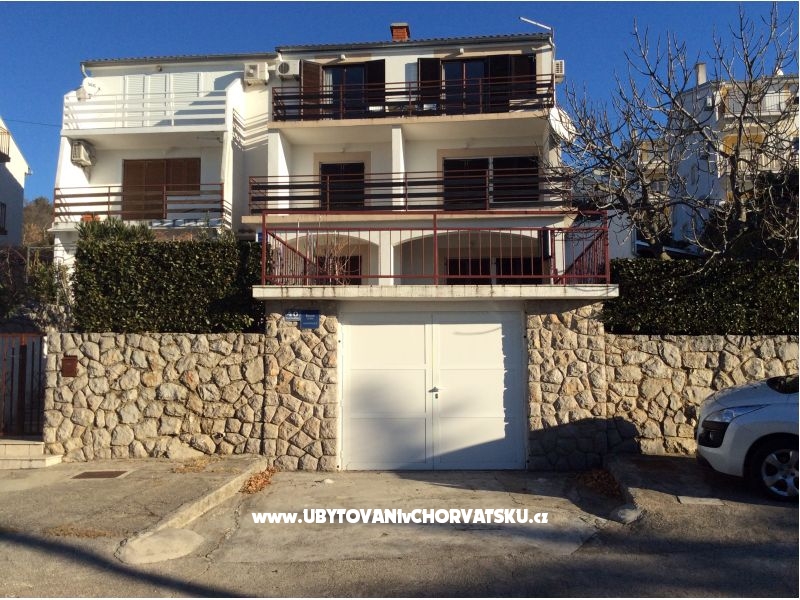 Apartmani MilaCrikvenicaCapacity: 2-18 · To the sea: 300 mfrom 10 € per person / nightView offer
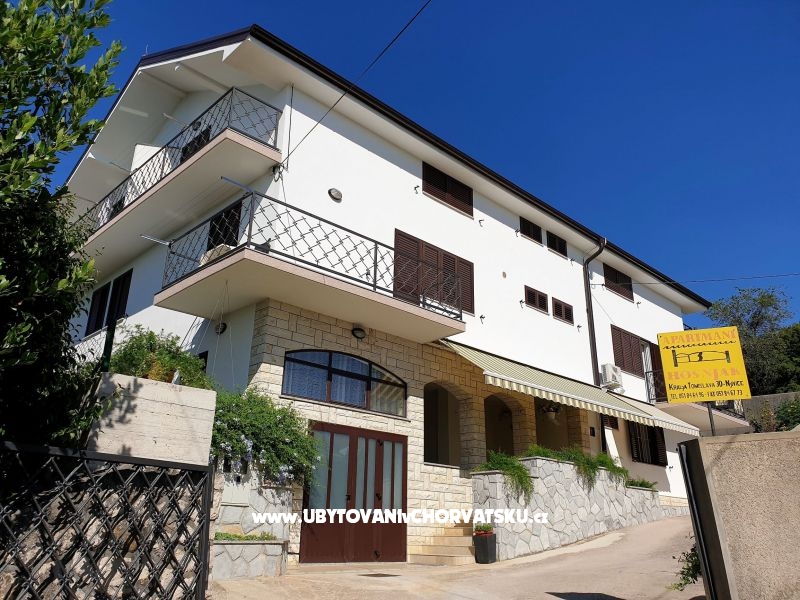 Apartmani Hošnjak NjiviceKrk - otokCapacity: 2-30 · To the sea: 80 mView offer
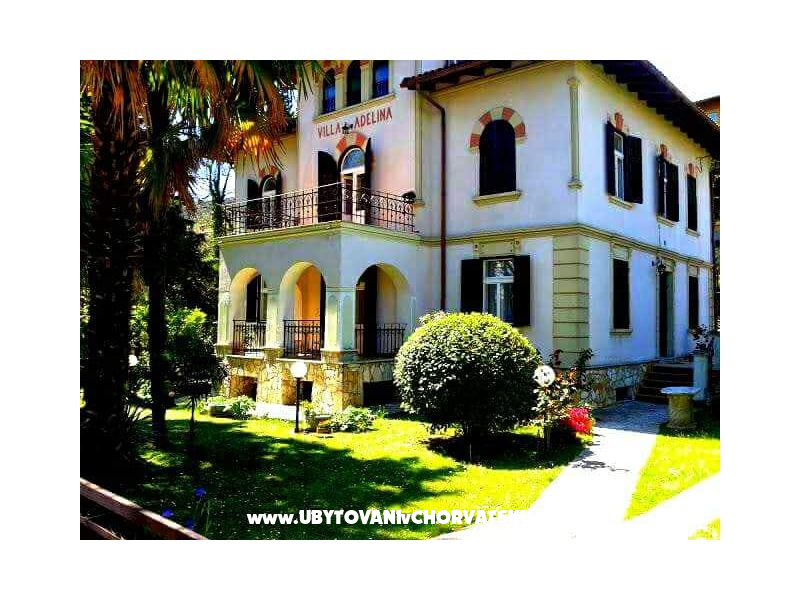 Apartmani Villa AdelinaLovranCapacity: 2-5 · To the sea: 100 mView offer

Flora and plant communities of Učka Nature Park
The parts of Učka and Ćićarija that belong to the beech forest zone may at first glance seem like a continental area of the Primorje-Gorski Kotar and Istria counties, but that is not the case. This area is distinguished by its own special natural features. Ćićarija, and especially Učka, represent special, isolated Mediterranean mountains. The beech forests in this part rise like islands above the submediterranean area. They are not continuously connected to the continental expanses of beech forests.
It is interesting to note that some less accessible areas of Učka and Ćićarija are still insufficiently explored today. Systematic research into the flora has only recently begun, in order to renew and deepen knowledge about individual species and their distribution. The aim is to react in time, in the context of preserving natural diversity in every sense.
Fauna of Učka Nature Park
Učka and Ćićarija have a special geographical position, which provides diversity and a range of altitudes. All of this has also had an impact on the animal world, which has developed according to the rules of nature in this area.
The fauna has also not been sufficiently researched, which should change as soon as possible. Carrying out scientific research is essential, in order to obtain accurate data on the state of the fauna in the Park.
Učka is the highest mountain in Istria, and on its highest peak, Vojak, there is a stone tower from which a panoramic view extends over Istria, the islands of the northern Adriatic, Venice and the Alps. Učka is special for its endemic plant species, the Učka bellflower, but also for the griffon vulture and the golden eagle, which have almost disappeared from Europe. Visitors can also walk along the Plas and Vela Draga educational trails, which are about 2 kilometres long.
Private accommodation in Rijeka – directly from the owners
All accommodation in Rijeka →Nautilus Luxury ApartmentsRijekaCapacity: 2-14 · To the sea: 200 mView offerDream Apartment RijekaRijekaCapacity: 1-15 · To the sea: 300 mView offerApartman Villa MariaRijekaCapacity: 2-7 · To the sea: 30 mView offerApartmani MilaCrikvenicaCapacity: 2-18 · To the sea: 300 mfrom 10 € per person / nightView offerApartmani Hošnjak NjiviceKrk - otokCapacity: 2-30 · To the sea: 80 mView offerApartmani Villa AdelinaLovranCapacity: 2-5 · To the sea: 100 mView offerFollow us on Facebook for more articles about Croatia. Share this article using the buttons on the right. Thank you!

Upgrade this article
Bio si na ovom mjestu? Podijeli s nama svoja iskustva ili fotografije.
Napiši svoju verziju članka. Nagrađujemo vlasnike apartmana.