
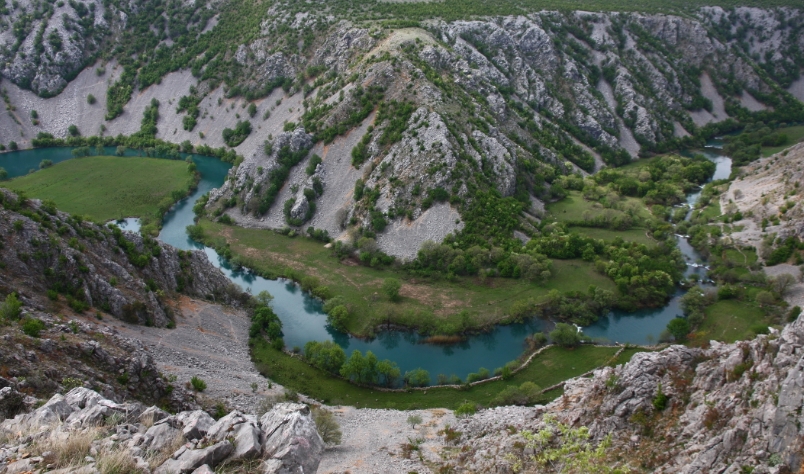
Velebit Nature Park is the largest protected area in Croatia, and is also the most important habitat for plant endemic species in Croatia. It extends over as much as 2,000 square kilometres, and Mount Velebit itself is 150 kilometres long. The nature park covers most of the mountain, as well as the valley of the River Zrmanja.
The park is characterised by karst relief, but also by vast forests. So far, 1,854 plant species are known, of which 79 are endemic. The habitats in the park are diverse, with forests predominating for the most part. There are also pastures and karst rocks. The park has also been declared a World Biosphere Reserve by UNESCO, and is home to many endemic species, such as the Velebit degenia and the Croatian willowherb. Endangered species such as the brown bear, the long-fingered bat, the lynx, the otter and the wolf are also found in the park. Velebit is also home to the most important nesting sites of some endangered birds, and it is said, with good reason, that Velebit is the „centre of endemism“ of these regions.
As for the tourist offer, there are excursion sites and mountain lodges. There are also three educational trails, as well as the Cerovac Caves. The caves are located in the southern part of the park and are among the most famous speleological sites in Croatia. They consist of 3 caves with around 7 km of passages, and a tourist tour is possible of around 700 m of the caves.
The area of the Park amounts to 200,000 hectares, and Mount Velebit is 145 kilometres long and is certainly the most interesting mountain in Croatia. The existence of the strict reserve „Hajdučki and Rožanski Kukovi“, the „Paklenica“ National Park, the „Štirovača“ forest reserve, the two botanical reserves „Visibaba“ and the wider surroundings of the „Botanical Garden“, as well as the „Cerovac Caves“ natural monument, perhaps best testifies to the exceptional richness of this area.
The northern part of Velebit is somewhat wider, with more jagged peaks and ridges, while the southern part of the mountain is narrower and more homogeneous. The landscape differences in the east-west direction are even more pronounced: the western, coastal slopes are open, rocky landscapes, while the eastern, Lika slopes are completely covered with forest. Velebit is a distinctly limestone mountain. There are almost no stream flows, and therefore no usual stream valleys. Steep, rocky peaks (kukovi, grede) and separate, enclosed depressions (sinkholes, dolines and smaller polje fields) predominate. As a mountain, Velebit is characterised by an abundance of speleological sites: caves and pits. We can mention the Cerovac Caves, Golubinka Pit, Vrtlina Pit, Mamet Pit, Puhaljka Pit and Bunovac Pit.
Due to its particular geographical position, and the climate that prevails on Velebit, the area has become a suitable habitat for various plant and animal species. Not only that, in fact, due to the great diversity and special characteristics of the terrain, Velebit has exceptional value as a reserve of biological diversity.
The animal life on Velebit is diverse and above all interesting. Among the endemic species, molluscs (Mollusca), butterflies (Lepidoptera), beetles (Coleoptera) and cave-dwelling insects in general predominate.
Some other rare animals are: the Hermann's tortoise (Testudo hermanni), the Aesculapian snake (Elaphe longissima), the four-lined snake (Elaphe quatuorlineata), the leopard snake (Elaphe situla leopardina), the common lizard (Lacerta vivipara) and the endemic lizard (Lacerta horvathi).
Around 100 native bird species live on Velebit. Some birds of prey also find refuge on Velebit, such as: the golden eagle (Aquila chrysaetos), the short-toed snake eagle (Circaetus gallicus), the griffon vulture (Gyps fulvus) and the eagle owl (Bubo bubo).
Among the mammals that inhabit Velebit, we can single out: the brown bear (Ursus arctos), the wolf (Canis lupus), the pine marten (Martes martes), the beech marten (Martes foina) and the wild cat (Felis silvestris). On Velebit, in recent decades, the numbers of chamois (Rupicapra rupicapra) and lynx (Lynx lynx) have been slowly recovering.
The huge ecological differences between the coastal and continental slopes of Velebit, and between the foothills and the peaks, have caused a diversity of plant life. On Velebit, we count 2,700 plant species, of which 38 are endemic.
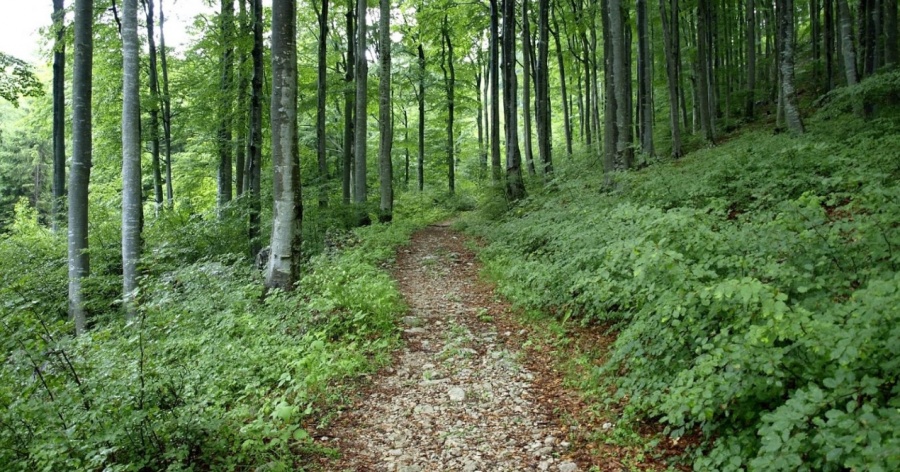
The forest species that predominate on the lower half of the coastal slope are the pubescent oak (Quercus pubescens), the hop hornbeam (Ostrya carpinifolia) and the manna ash (Fraxinus ornus). On the upper half, the beech (Fagus sylvatica) predominates.
In some locations we also find forests of black pine (Pinus nigra), more precisely on northern Velebit and in Paklenica.
The main species of the Lika Velebit forests are beech, fir (Abies alba) and spruce (Picea excelsa).
Among the most important plants of Velebit are the Velebit degenia (Degenia velebitica), which is an endemic species, edelweiss (Leontopodium alpinum), the Croatian willowherb (Sibiraea croatica), Waldstein's bellflower (Campanula waldsteiniana), Kitaibel's columbine (Aquilegia kitaibelii), the Carniolan lily (Lilium carniolicum), the alpine sea holly (Eryngium alpinum), Kitaibel's primrose (Primula kitaibeliana) and some others.
If you decide to visit Velebit, you have a rich tourist offer and a diverse choice of activities at your disposal.
Visit the Cerovac Caves: They are located in the southern part of Velebit Nature Park. This natural phenomenon is among the most famous and most important speleological sites in Croatia. The complex consists of 3 caves (Lower, Middle and Upper). In total, the caves have more than 7 km of explored passages. The first 700 metres of the Lower and Upper caves are developed for tourist visits. The caves are exceptionally rich in finds from the distant past. Besides a large quantity of archaeological remains, the Cerovac Caves are one of the larger cave bear sites in Croatia.
You can visit the caves from April to November. You need to register in advance if it is a group visit. In the winter period, prior notice is also required if the group is larger than 15 people.
Because of the refreshingly low temperatures in the caves (between 5 and 8 degrees Celsius), it is recommended that you dress appropriately.
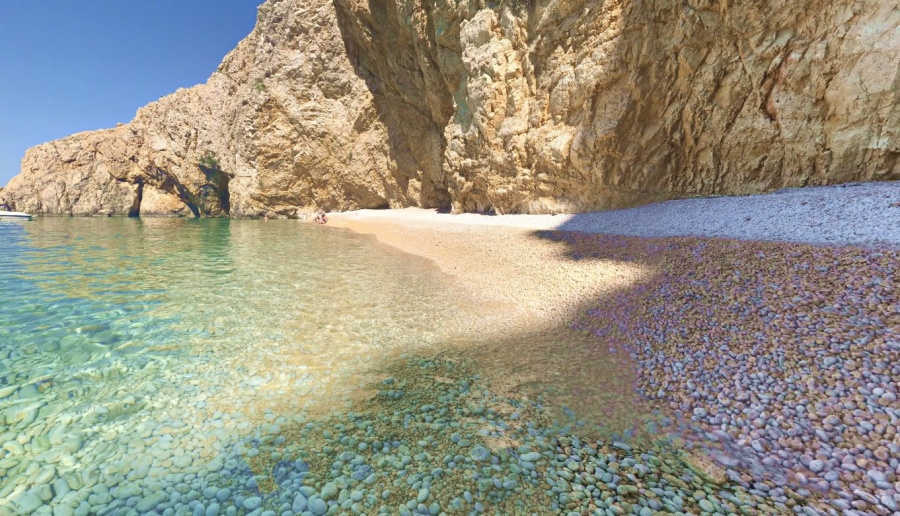
Zavratnica is certainly one of the more beautiful coves on the Croatian coast. Zavratnica is a submerged torrent valley with a canyon formed by steep cliffs, around 100 metres high. The length of the bay is around 900 metres, and its width ranges between 50 and 150 metres.
Zavratnica Cove is rich in plant species. As many as 129 have been counted, of which 100 are native and 29 are non-native species.
The cove is adorned by the blue shades of the sea, which form an ideal contrast to the grey shades of Velebit stone. Everything is rounded off by the green colours of the sparse vegetation.
Four educational trails run through the Park.
The Kudin Most Trail leads you to the most beautiful part of the River Krupa. You can enjoy the view of the waterfalls and tufa cascades over which this bridge leads. The Zavratnica educational trail leads to the described landscape of Zavratnica Cove. The third trail leads from Starigrad Senjski to Donja Klada and offers a view of old traditional stone architecture. The fourth trail, Terezijana, is part of an old 18th-century Austro-Hungarian road.
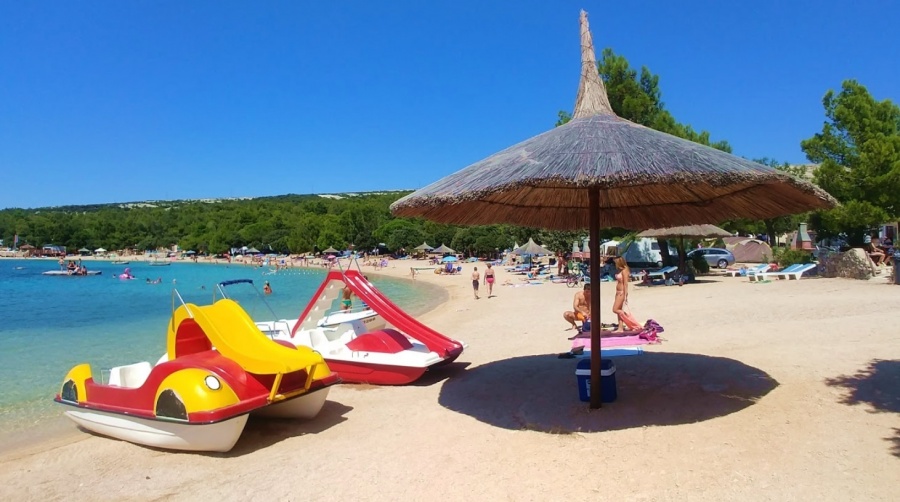
For visitors who intend to stay longer, and who need overnight accommodation, there are numerous accommodation facilities in the park. Overnight stays are offered in mountain lodges, mountain houses, mountain shelters, and there is also a significant amount of camping accommodation.
Among the activities we can highlight are: hiking, mountaineering, climbing, rafting, canoeing, cycling and many others.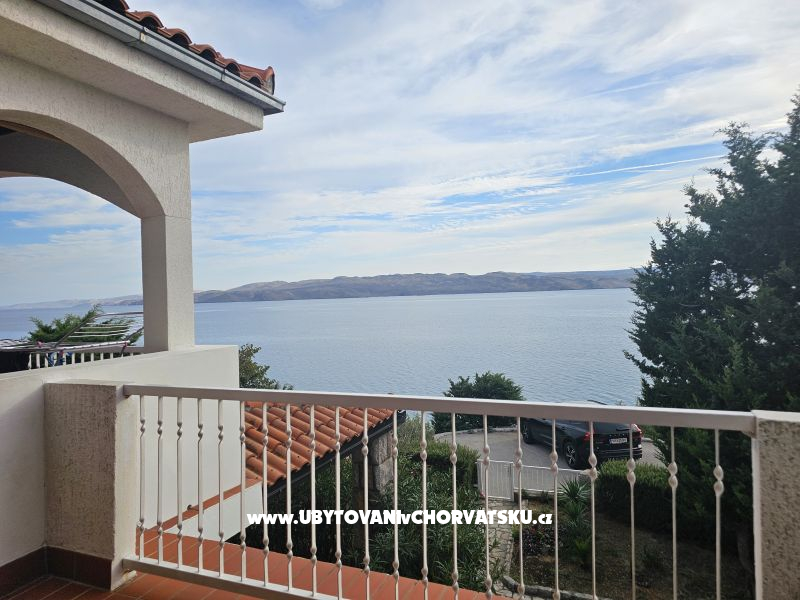 Beachfront House IsabellaKarlobagCapacity: 2-7 · To the sea: 5 mView offer
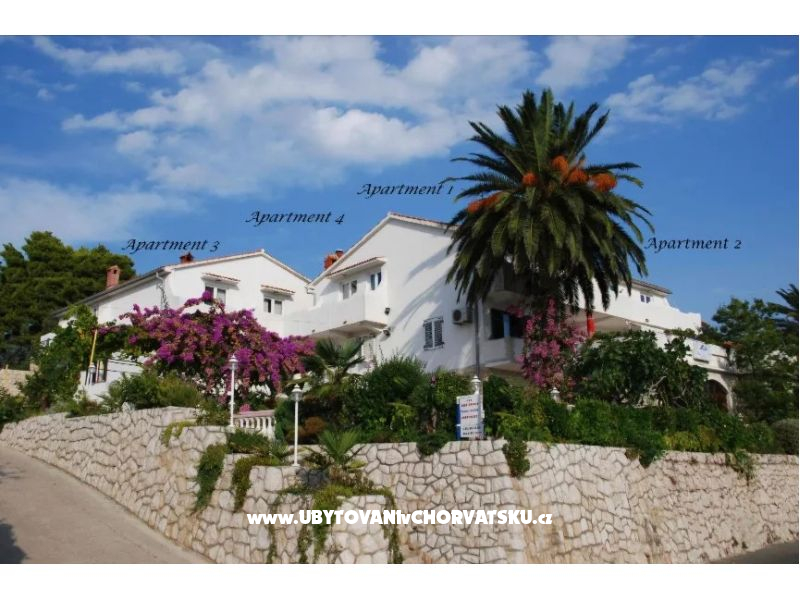 Apartmani MilaRab - otokCapacity: 2-30 · To the sea: 150 mView offer
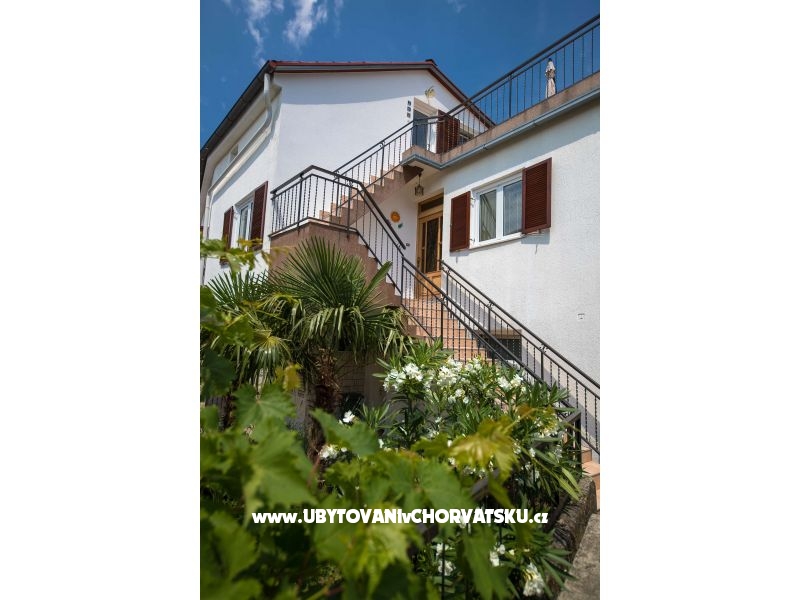 Apartmani TeaCrikvenicaCapacity: 3-15 · To the sea: 50 mfrom 7 € per person / nightView offer
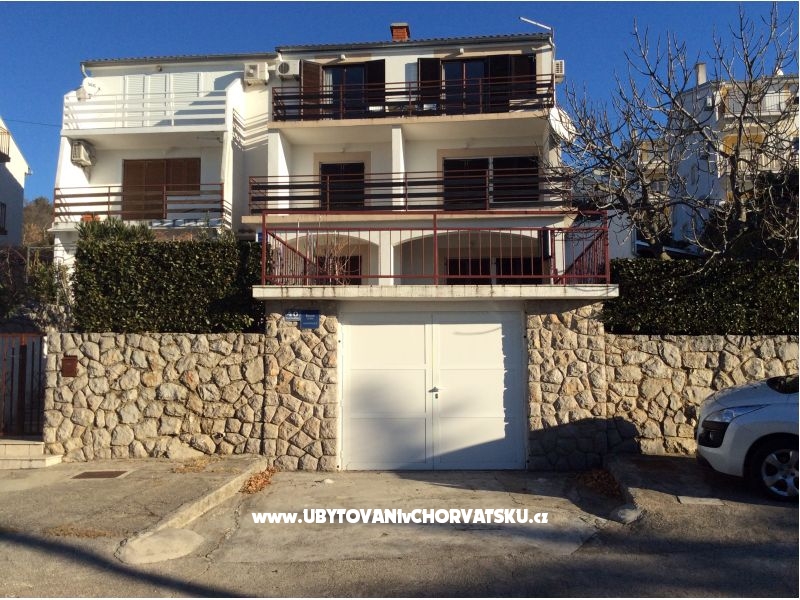 Apartmani MilaCrikvenicaCapacity: 2-18 · To the sea: 300 mfrom 10 € per person / nightView offer
 Apartmani UranusRab - otokCapacity: 2-12 · To the sea: 30 mfrom 12 € per person / nightView offer
 Villa CarringtonNovalja na PaguTo the sea: 100 mfrom 9 € per person / nightView offer
As for the tourist offer, there are excursion sites and mountain lodges. There are also three educational trails, as well as the Cerovac Caves. The caves are located in the southern part of the park and are among the most famous speleological sites in Croatia. They consist of 3 caves with around 7 km of passages, and a tourist tour is possible of around 700 m of the caves.
The area of the Park amounts to 200,000 hectares, and Mount Velebit is 145 kilometres long and is certainly the most interesting mountain in Croatia. The existence of the strict reserve „Hajdučki and Rožanski Kukovi“, the „Paklenica“ National Park, the „Štirovača“ forest reserve, the two botanical reserves „Visibaba“ and the wider surroundings of the „Botanical Garden“, as well as the „Cerovac Caves“ natural monument, perhaps best testifies to the exceptional richness of this area.
The northern part of Velebit is somewhat wider, with more jagged peaks and ridges, while the southern part of the mountain is narrower and more homogeneous. The landscape differences in the east-west direction are even more pronounced: the western, coastal slopes are open, rocky landscapes, while the eastern, Lika slopes are completely covered with forest. Velebit is a distinctly limestone mountain. There are almost no stream flows, and therefore no usual stream valleys. Steep, rocky peaks (kukovi, grede) and separate, enclosed depressions (sinkholes, dolines and smaller polje fields) predominate. As a mountain, Velebit is characterised by an abundance of speleological sites: caves and pits. We can mention the Cerovac Caves, Golubinka Pit, Vrtlina Pit, Mamet Pit, Puhaljka Pit and Bunovac Pit.
Due to its particular geographical position, and the climate that prevails on Velebit, the area has become a suitable habitat for various plant and animal species. Not only that, in fact, due to the great diversity and special characteristics of the terrain, Velebit has exceptional value as a reserve of biological diversity.
Animal life – Velebit
The animal life on Velebit is diverse and above all interesting. Among the endemic species, molluscs (Mollusca), butterflies (Lepidoptera), beetles (Coleoptera) and cave-dwelling insects in general predominate.
Some other rare animals are: the Hermann's tortoise (Testudo hermanni), the Aesculapian snake (Elaphe longissima), the four-lined snake (Elaphe quatuorlineata), the leopard snake (Elaphe situla leopardina), the common lizard (Lacerta vivipara) and the endemic lizard (Lacerta horvathi).
Around 100 native bird species live on Velebit. Some birds of prey also find refuge on Velebit, such as: the golden eagle (Aquila chrysaetos), the short-toed snake eagle (Circaetus gallicus), the griffon vulture (Gyps fulvus) and the eagle owl (Bubo bubo).
Among the mammals that inhabit Velebit, we can single out: the brown bear (Ursus arctos), the wolf (Canis lupus), the pine marten (Martes martes), the beech marten (Martes foina) and the wild cat (Felis silvestris). On Velebit, in recent decades, the numbers of chamois (Rupicapra rupicapra) and lynx (Lynx lynx) have been slowly recovering.
The diversity of plant life on Velebit
The huge ecological differences between the coastal and continental slopes of Velebit, and between the foothills and the peaks, have caused a diversity of plant life. On Velebit, we count 2,700 plant species, of which 38 are endemic.
The forest species that predominate on the lower half of the coastal slope are the pubescent oak (Quercus pubescens), the hop hornbeam (Ostrya carpinifolia) and the manna ash (Fraxinus ornus). On the upper half, the beech (Fagus sylvatica) predominates.
In some locations we also find forests of black pine (Pinus nigra), more precisely on northern Velebit and in Paklenica.
The main species of the Lika Velebit forests are beech, fir (Abies alba) and spruce (Picea excelsa).
Among the most important plants of Velebit are the Velebit degenia (Degenia velebitica), which is an endemic species, edelweiss (Leontopodium alpinum), the Croatian willowherb (Sibiraea croatica), Waldstein's bellflower (Campanula waldsteiniana), Kitaibel's columbine (Aquilegia kitaibelii), the Carniolan lily (Lilium carniolicum), the alpine sea holly (Eryngium alpinum), Kitaibel's primrose (Primula kitaibeliana) and some others.
Tourist offer on Velebit
If you decide to visit Velebit, you have a rich tourist offer and a diverse choice of activities at your disposal.
Visit the Cerovac Caves: They are located in the southern part of Velebit Nature Park. This natural phenomenon is among the most famous and most important speleological sites in Croatia. The complex consists of 3 caves (Lower, Middle and Upper). In total, the caves have more than 7 km of explored passages. The first 700 metres of the Lower and Upper caves are developed for tourist visits. The caves are exceptionally rich in finds from the distant past. Besides a large quantity of archaeological remains, the Cerovac Caves are one of the larger cave bear sites in Croatia.
You can visit the caves from April to November. You need to register in advance if it is a group visit. In the winter period, prior notice is also required if the group is larger than 15 people.
Because of the refreshingly low temperatures in the caves (between 5 and 8 degrees Celsius), it is recommended that you dress appropriately.
Zavratnica Cove
Zavratnica is certainly one of the more beautiful coves on the Croatian coast. Zavratnica is a submerged torrent valley with a canyon formed by steep cliffs, around 100 metres high. The length of the bay is around 900 metres, and its width ranges between 50 and 150 metres.
Zavratnica Cove is rich in plant species. As many as 129 have been counted, of which 100 are native and 29 are non-native species.
The cove is adorned by the blue shades of the sea, which form an ideal contrast to the grey shades of Velebit stone. Everything is rounded off by the green colours of the sparse vegetation.
Educational trails through the Park
Four educational trails run through the Park.
The Kudin Most Trail leads you to the most beautiful part of the River Krupa. You can enjoy the view of the waterfalls and tufa cascades over which this bridge leads. The Zavratnica educational trail leads to the described landscape of Zavratnica Cove. The third trail leads from Starigrad Senjski to Donja Klada and offers a view of old traditional stone architecture. The fourth trail, Terezijana, is part of an old 18th-century Austro-Hungarian road.
Accommodation in the Park and its vicinity
For visitors who intend to stay longer, and who need overnight accommodation, there are numerous accommodation facilities in the park. Overnight stays are offered in mountain lodges, mountain houses, mountain shelters, and there is also a significant amount of camping accommodation.
Activities
Among the activities we can highlight are: hiking, mountaineering, climbing, rafting, canoeing, cycling and many others.
Private accommodation in Croatia – directly from the owners
Search accommodation in Croatia →Beachfront House IsabellaKarlobagCapacity: 2-7 · To the sea: 5 mView offerApartmani MilaRab - otokCapacity: 2-30 · To the sea: 150 mView offerApartmani TeaCrikvenicaCapacity: 3-15 · To the sea: 50 mfrom 7 € per person / nightView offerApartmani MilaCrikvenicaCapacity: 2-18 · To the sea: 300 mfrom 10 € per person / nightView offerApartmani UranusRab - otokCapacity: 2-12 · To the sea: 30 mfrom 12 € per person / nightView offerVilla CarringtonNovalja na PaguTo the sea: 100 mfrom 9 € per person / nightView offerFollow us on Facebook for more articles about Croatia. Share this article using the buttons on the right. Thank you!

Upgrade this article
Bio si na ovom mjestu? Podijeli s nama svoja iskustva ili fotografije.
Napiši svoju verziju članka. Nagrađujemo vlasnike apartmana.