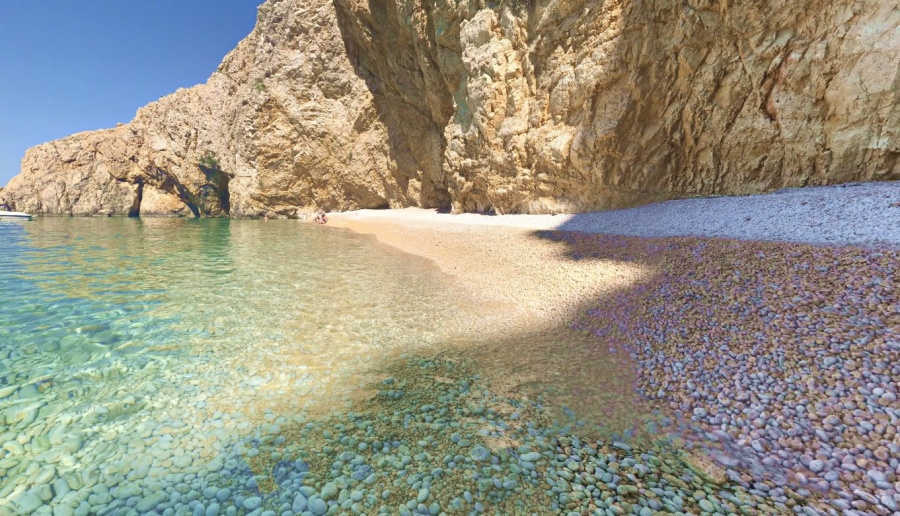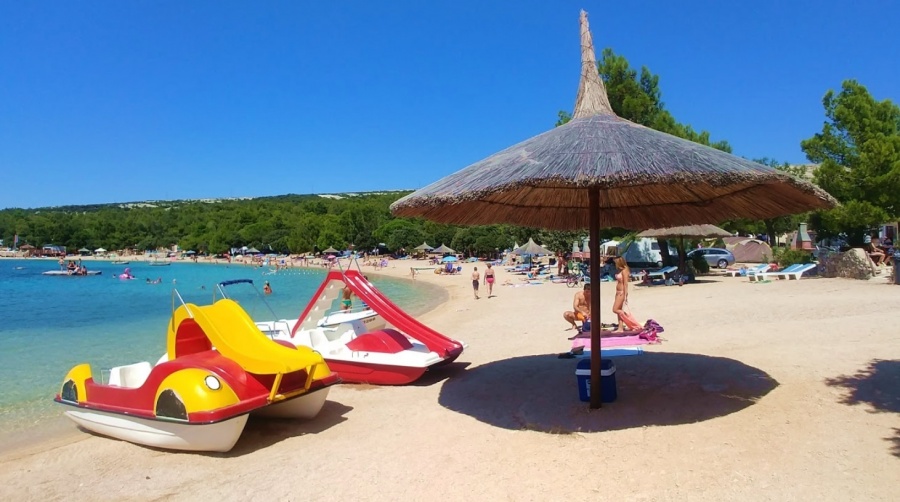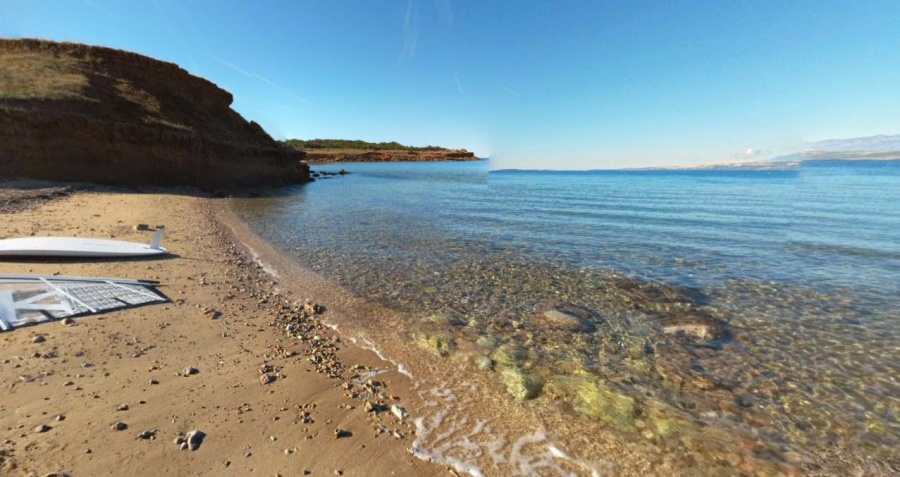


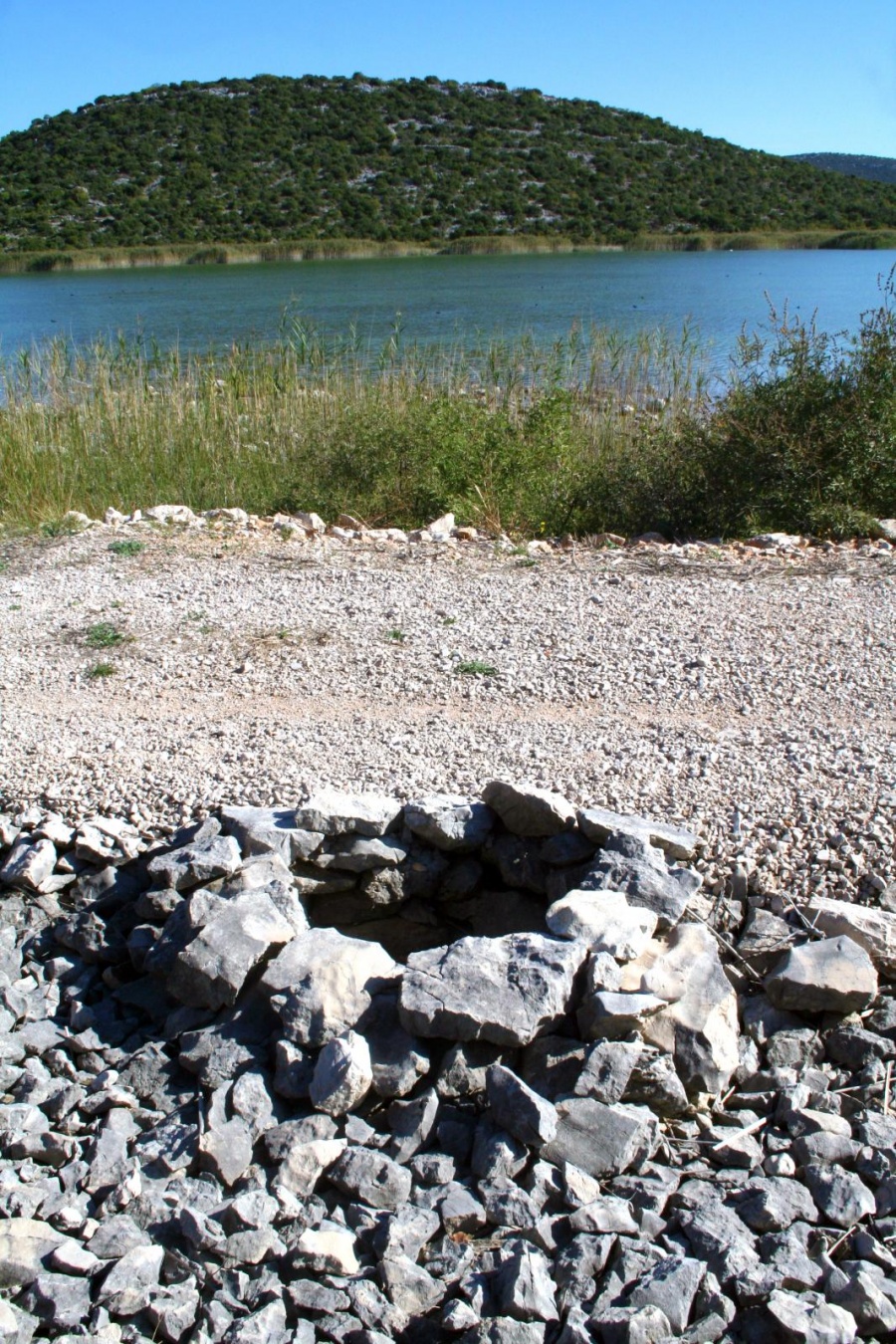
Vrana Lake Nature Park was declared a park in 1999 and covers 57 square kilometres. Vrana Lake is the largest natural lake in Croatia, and was formed as a karst field that filled with water. The lake is a cryptodepression, which means that its surface is above sea level, while its bed is below sea level. The lake is between 2 and 5 metres deep, and since it is close to the sea, seawater seeps through underground to the lake and makes it slightly brackish. The lake collects a lot of rainwater and water from the surrounding streams.
The lake is a habitat for marsh plant species, which make up about a third of the 148 plant species that live in the park's area. There are also coniferous forests, such as Aleppo pine forests, which have been planted on the southern side of the lake. On the northern part of the park there are forests of holm oak and maquis shrubland.
Because of the mixing of fresh and salt water, a mixture of fish also lives in the lake. Due to human activity, only 2 species are still native, these being the eel and the river loach, while the other 15 species have been introduced for farming or by accident. There are also catfish, carp, Prussian carp, grey mullet, European seabass and other species.
Among the animal species, there are mostly green frogs and common toads, and salamanders can also be found. The park is home to 19 species of reptiles, such as tortoises, lizards and snakes. Some of the species are the slow worm, the Moorish gecko, grass snakes, whip snakes and others. The park was declared a valuable ornithological area back in 1983, because of the numerous birds that nest and winter here.
In Vrana Lake Nature Park there are also old buildings, such as the late antique tower Osridak, which dates back to the 4th century. The tower served a military purpose as a watchtower and a shelter from bad weather. There is also the Venetian tower Osridak from the 15th century, and the remains of similar Venetian structures that served to defend against the Ottomans. There are also the remains of a Benedictine monastery and a Turkish rest stop and inn.
Photo: www.parkovihrvatske.hr
The largest natural lake in Croatia (Vrana Lake) is a natural phenomenon and a place visited by numerous tourists, sport fishermen and nature lovers.
The lake is located between the two historic towns of Zadar and Šibenik. Vrana Lake, together with the surrounding area, was declared a Nature Park in 1999. It was formed by the flooding of a karst field, through the occurrence of a cryptodepression. Vrana Lake is replenished by a few small natural springs. Many rare marsh birds live in this area. The lake abounds in diverse freshwater fish, and is therefore a little paradise for sport fishermen. A particularly valuable resident of the lake is the Mediterranean subspecies of the rudd (Scardinius erythrophthalmus), which is thought to be found, in the whole of Croatia, only in this lake.
With a leisurely walk or a ride along the cycling trails, visitors will enjoy the natural surroundings of Vrana Lake, and get to know its rich plant and animal life more closely.
The educational trails have been specially designed so that visitors can enjoy nature, but also learn something about the environment they are in.
The Birds of Vrana Lake educational trail is set within the ornithological reserve right on Vrana Lake. While walking along this trail, your view extends over the reed beds of Vrana Lake. Various bird species live in these dense reed beds, among which we can single out the purple heron (which is the symbol of Vrana Lake), or even the endangered pygmy cormorant, for which Vrana Lake is the only permanent nesting site in Croatia.
The panels set up along the trail will introduce you to the diverse plant and animal life that inhabits Vrana Lake and its surroundings.
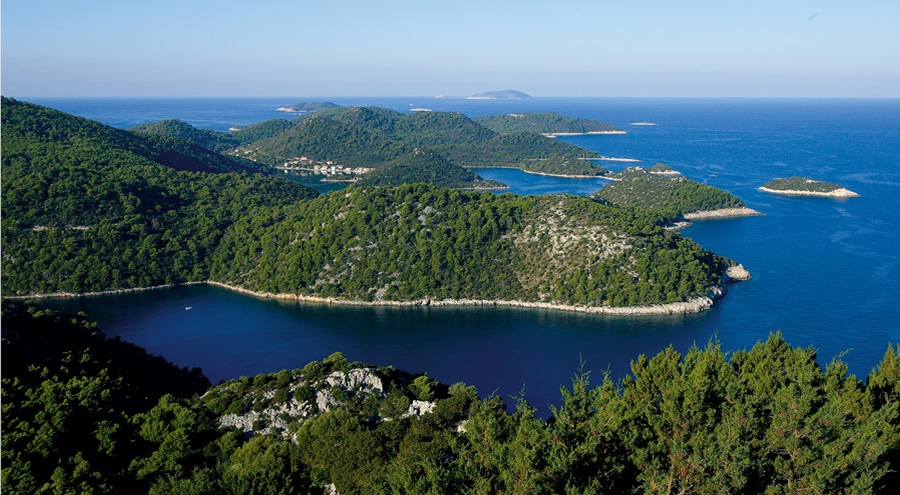
The Kamenjak viewpoint educational trail offers an excellent view of the whole of Vrana Lake, Drage, Pakoštane, Pirovac, Betina, Murter, as well as the entire Kornati archipelago and the numerous larger and smaller islands within it. Besides the beautiful view, the panels set up along the trail will introduce you to interesting historical details, the culture of this region, folk customs and the natural features of the Nature Park.
The educational botanical trail is set up along a circular hiking trail that runs all the way from the Kamenjak viewpoint, through the Mernjača canyon, to the Bašinka landing, and further through the Orlja Draga canyon and back to Kamenjak, forming a circular route. The trail presents a typical karst setting, and by walking along it you can learn various interesting facts about the characteristic plants that live here.
The educational trail about fish is set up in the small harbour of Prosika. On the dry-stone wall, 5 educational panels have been placed that teach about the fish of Vrana Lake. On the panels, you can read which fish lived in Vrana Lake before man intervened. There are also interesting details written about the fish species that were introduced into Vrana Lake for fishing purposes, or by accidental introduction, as well as about fish that enter the lake through the Prosika and Jugovir channels or cracks in the limestone ridge. If you walk along this trail, you can find out quite a lot about the eel, the river loach, the carp, the catfish, the pike, the Prussian carp and the mosquitofish.
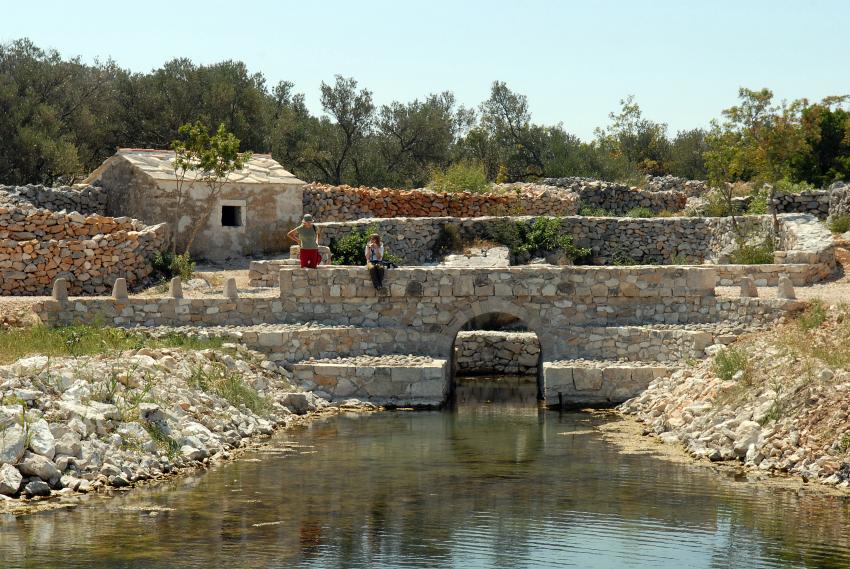
The Modrave – Prosika Channel educational trail runs through what used to be the largest olive grove on the eastern Adriatic coast. The Prosika Channel is the most complex architectural project of its time in this area. Walking along this trail, you can learn interesting details about some of the animal species that inhabit the karst. Find out something about the longest European snake, as well as the Hermann's tortoise.
The Birds of Prey educational trail is located on part of the panoramic cycling trail. From this trail, there is a magnificent view of Vrana Lake. Following the trail, from the stone observation point at Majdan to the wooden observation point 6 km away, you can learn quite a lot about various species of birds of prey, as well as their mutual similarities and differences. Visitors will gain a clear insight into the importance of these birds in such a complex ecosystem as Vrana Lake.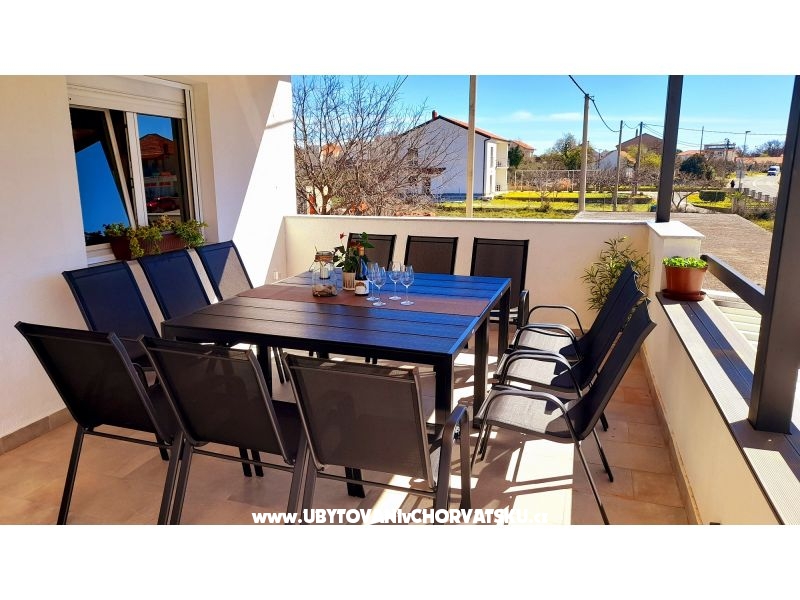 Apartman MediteranPakoštaneCapacity: 7-12 · To the sea: 600 mfrom 15 € per person / nightView offer
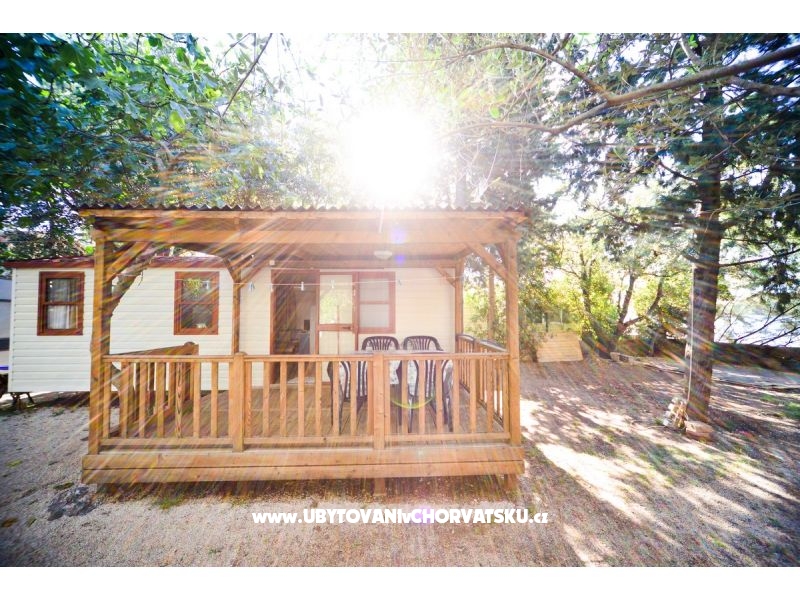 Pakoštane Apartmani VulinPakoštaneTo the sea: 20 mfrom 10 € per person / nightView offer
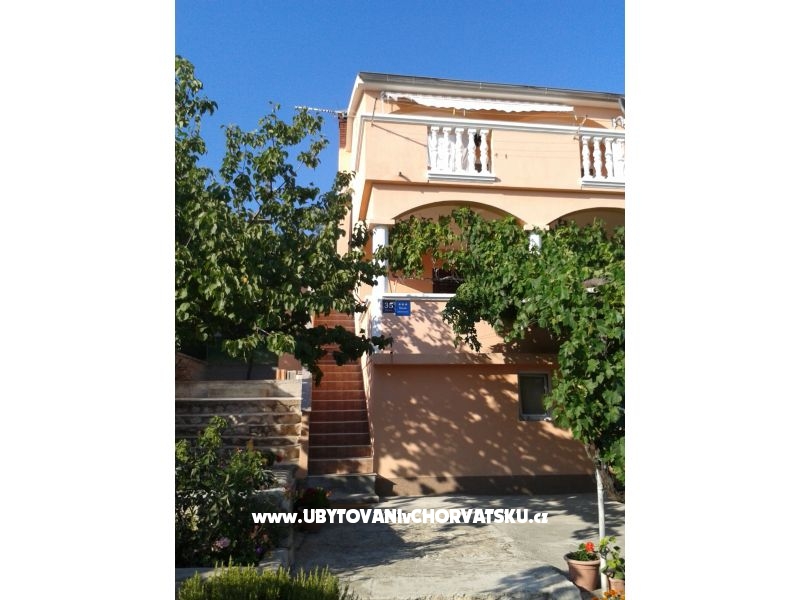 Apartmani IVANKAPakoštaneCapacity: 2-26 · To the sea: 300 mfrom 10 € per person / nightView offer
 Apartmani BonacaPakoštaneCapacity: 3-14 · To the sea: 100 mView offer
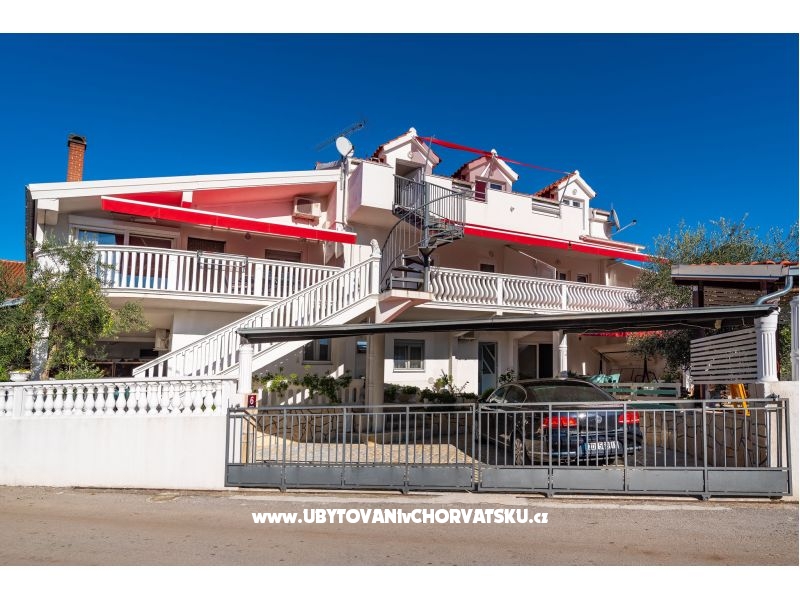 Apartmani BistraPakoštaneCapacity: 15 · To the sea: 300 mfrom 10 € per person / nightView offer
 Apartmani AntonioPakoštaneCapacity: 2-34 · To the sea: 300 mfrom 7 € per person / nightView offer


The lake is a habitat for marsh plant species, which make up about a third of the 148 plant species that live in the park's area. There are also coniferous forests, such as Aleppo pine forests, which have been planted on the southern side of the lake. On the northern part of the park there are forests of holm oak and maquis shrubland.
Because of the mixing of fresh and salt water, a mixture of fish also lives in the lake. Due to human activity, only 2 species are still native, these being the eel and the river loach, while the other 15 species have been introduced for farming or by accident. There are also catfish, carp, Prussian carp, grey mullet, European seabass and other species.
Among the animal species, there are mostly green frogs and common toads, and salamanders can also be found. The park is home to 19 species of reptiles, such as tortoises, lizards and snakes. Some of the species are the slow worm, the Moorish gecko, grass snakes, whip snakes and others. The park was declared a valuable ornithological area back in 1983, because of the numerous birds that nest and winter here.
In Vrana Lake Nature Park there are also old buildings, such as the late antique tower Osridak, which dates back to the 4th century. The tower served a military purpose as a watchtower and a shelter from bad weather. There is also the Venetian tower Osridak from the 15th century, and the remains of similar Venetian structures that served to defend against the Ottomans. There are also the remains of a Benedictine monastery and a Turkish rest stop and inn.
Photo: www.parkovihrvatske.hr
The largest natural lake in Croatia (Vrana Lake) is a natural phenomenon and a place visited by numerous tourists, sport fishermen and nature lovers.
The lake is located between the two historic towns of Zadar and Šibenik. Vrana Lake, together with the surrounding area, was declared a Nature Park in 1999. It was formed by the flooding of a karst field, through the occurrence of a cryptodepression. Vrana Lake is replenished by a few small natural springs. Many rare marsh birds live in this area. The lake abounds in diverse freshwater fish, and is therefore a little paradise for sport fishermen. A particularly valuable resident of the lake is the Mediterranean subspecies of the rudd (Scardinius erythrophthalmus), which is thought to be found, in the whole of Croatia, only in this lake.
With a leisurely walk or a ride along the cycling trails, visitors will enjoy the natural surroundings of Vrana Lake, and get to know its rich plant and animal life more closely.
Educational trails along Vrana Lake
The educational trails have been specially designed so that visitors can enjoy nature, but also learn something about the environment they are in.
The Birds of Vrana Lake educational trail is set within the ornithological reserve right on Vrana Lake. While walking along this trail, your view extends over the reed beds of Vrana Lake. Various bird species live in these dense reed beds, among which we can single out the purple heron (which is the symbol of Vrana Lake), or even the endangered pygmy cormorant, for which Vrana Lake is the only permanent nesting site in Croatia.
The panels set up along the trail will introduce you to the diverse plant and animal life that inhabits Vrana Lake and its surroundings.
The Kamenjak viewpoint educational trail offers an excellent view of the whole of Vrana Lake, Drage, Pakoštane, Pirovac, Betina, Murter, as well as the entire Kornati archipelago and the numerous larger and smaller islands within it. Besides the beautiful view, the panels set up along the trail will introduce you to interesting historical details, the culture of this region, folk customs and the natural features of the Nature Park.
The educational botanical trail is set up along a circular hiking trail that runs all the way from the Kamenjak viewpoint, through the Mernjača canyon, to the Bašinka landing, and further through the Orlja Draga canyon and back to Kamenjak, forming a circular route. The trail presents a typical karst setting, and by walking along it you can learn various interesting facts about the characteristic plants that live here.
The educational trail about fish is set up in the small harbour of Prosika. On the dry-stone wall, 5 educational panels have been placed that teach about the fish of Vrana Lake. On the panels, you can read which fish lived in Vrana Lake before man intervened. There are also interesting details written about the fish species that were introduced into Vrana Lake for fishing purposes, or by accidental introduction, as well as about fish that enter the lake through the Prosika and Jugovir channels or cracks in the limestone ridge. If you walk along this trail, you can find out quite a lot about the eel, the river loach, the carp, the catfish, the pike, the Prussian carp and the mosquitofish.
The Modrave – Prosika Channel educational trail runs through what used to be the largest olive grove on the eastern Adriatic coast. The Prosika Channel is the most complex architectural project of its time in this area. Walking along this trail, you can learn interesting details about some of the animal species that inhabit the karst. Find out something about the longest European snake, as well as the Hermann's tortoise.
The Birds of Prey educational trail is located on part of the panoramic cycling trail. From this trail, there is a magnificent view of Vrana Lake. Following the trail, from the stone observation point at Majdan to the wooden observation point 6 km away, you can learn quite a lot about various species of birds of prey, as well as their mutual similarities and differences. Visitors will gain a clear insight into the importance of these birds in such a complex ecosystem as Vrana Lake.
Private accommodation in Pakoštane – directly from the owners
All accommodation in Pakoštane →Apartman MediteranPakoštaneCapacity: 7-12 · To the sea: 600 mfrom 15 € per person / nightView offerPakoštane Apartmani VulinPakoštaneTo the sea: 20 mfrom 10 € per person / nightView offerApartmani IVANKAPakoštaneCapacity: 2-26 · To the sea: 300 mfrom 10 € per person / nightView offerApartmani BonacaPakoštaneCapacity: 3-14 · To the sea: 100 mView offerApartmani BistraPakoštaneCapacity: 15 · To the sea: 300 mfrom 10 € per person / nightView offerApartmani AntonioPakoštaneCapacity: 2-34 · To the sea: 300 mfrom 7 € per person / nightView offerFollow us on Facebook for more articles about Croatia. Share this article using the buttons on the right. Thank you!

Upgrade this article
Bio si na ovom mjestu? Podijeli s nama svoja iskustva ili fotografije.
Napiši svoju verziju članka. Nagrađujemo vlasnike apartmana.