
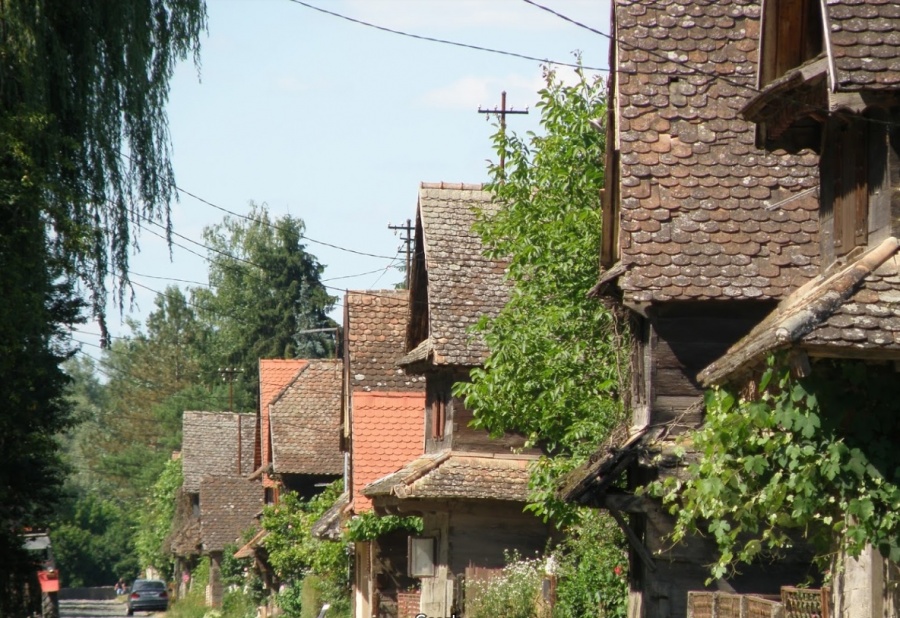
Lonjsko Polje Nature Park is located in Sisak-Moslavina County along the River Sava, between Sisak and Nova Gradiška, and was declared a protected area in 1990. The nature park covers Lonjsko, Poganovo and Mokro Polje, as well as some settlements along the River Sava. The area is mostly marshland, and extends over 50,650 ha, which makes it the largest protected wetland area in the entire Danube river basin. Besides its natural beauty, the old villages that have remained in this area, reflecting a traditional way of life, are also significant.
Lonjsko Polje is a large marshland area where constant floods shape the landscape, and which can occur throughout the year. Water in the floodplain area can remain for up to 6 months, and the park is an important spawning ground for carp. Among the other animals here are rare animals such as the white-tailed eagle and the short-toed snake eagle, the white heron, the black stork, and various species of ducks and herons. As a marshland area, Lonjsko Polje provides a refuge and feeding ground for numerous birds. There are about 550 plant species in the park, and many are endangered.
Among its many activities, Lonjsko Polje offers visitors educational trails for walking and observing its natural riches. You can choose some of the trails, or of course all of them, and enjoy the diversity of the natural landscape and the wealth of plant and animal species.
First, we will mention the „Posavci Trail“, which offers a pleasant walk through nature, lasting between 2 and 2 and a half hours. During the walk, you can enjoy views of the wilderness, as well as some parts that have been used by man for his own needs – while respecting the natural resources.
The trail speaks best about the characteristics of this floodplain area. It will tell you the story of the traditional way of livestock farming, which in the best sense is integrated with the natural dynamics of this area. Nearby is an observation point for watching birds, as well as domestic animals that graze freely here.
The trail leads in a circle, and along it 5 informative and educational panels with interesting details have been set up. The trail is a little over 4 kilometres long.
The second trail we will mention is the „Border Guards' Trail“. This trail begins in the village of Krapje, and heads in the direction of the Orlinci pasture. If you walk along the trail, you may well see and photograph genetically pure Turopolje pigs.
Not far away, the breeding herd of Slavonian-Podolian cattle can be found grazing freely in the open. The trail continues towards the largest nesting site of the Eurasian spoonbill (Platalea leucorodia) in Croatia.
Due to the pronounced marshy terrain and lush vegetation, mixed colonies of marsh birds also nest here. The best known among them are: the black-crowned night heron (Nycticorax nycticorax), the squacco heron (Ardeola ralloides), the little egret (Egretta garzetta), the great white egret (Egretta alba) and the purple heron (Ardea purpurea).
Touring this trail takes about 2 and a half hours.
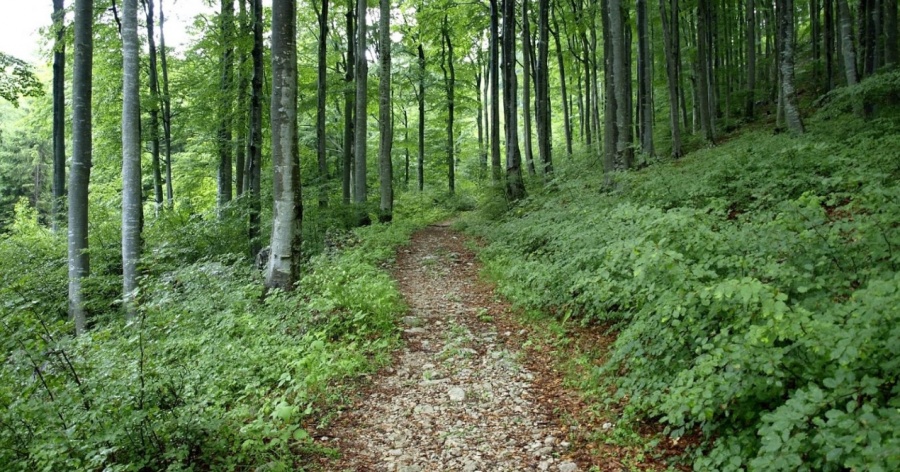
The educational forest walking trail „Tena's Trail“ was built within the boundaries of the park near the village of Piljenice. With its name „Tena's Trail“, it commemorates the forester and Croatian writer Josip Kozarac. He in fact, as the first manager of the Lipovljani Forestry Office, spent a full 10 years here. In these forests, the writer wrote his most valuable works („Dead Capital“, „The Slavonian Forest“, „Between Light and Darkness“, „Tena“, „Mira Kodoličeva“ and many other long works).
The trail is easy and pleasant to walk, and it leads in a circle. It is 2.5 kilometres long, and enriched with educational panels. On the trail, 16 panels have been set up, explaining topics that you can encounter along the trail and in Lonjsko Polje Nature Park.
You can only walk this trail with the expert guidance of a nature park guide. You need to register in advance at the park's information centre.
No less important is the „Košac's Trail“. It too is laid out in a circle, starting from the Repušnica Reception Centre, and leads along the northern embankment of the Lonjsko Polje retention basin, past the Vrbačinec rest area, and ends at the reception centre.
The tour is possible with a guide, or on your own. The trail is suitable for bird watching. It is 5 kilometres long, and takes you through forests and meadows. A special attraction along the trail is the herds of native horse breeds grazing freely.
Lonjsko Polje Nature Park records somewhere around 250 bird species. Of those 250, as many as 134 species are nesting birds, which represents one of the most important areas for birds in Croatia.
Even by European, and indeed world, standards, this bird diversity, and the large number of birds in a relatively small area, gives a picture of a very rich bird fauna. For this reason, Lonjsko Polje is important in every respect and context of bird habitat. It is an important nesting ground, wintering ground and habitat for numerous bird species.
As many as 113 bird species that live here are endangered at the national level.
79 bird species that live here are on the list of endangered species at the European level.
227 species are protected by the Nature Protection Act of the Republic of Croatia.
133 bird species are protected by international conservation conventions.
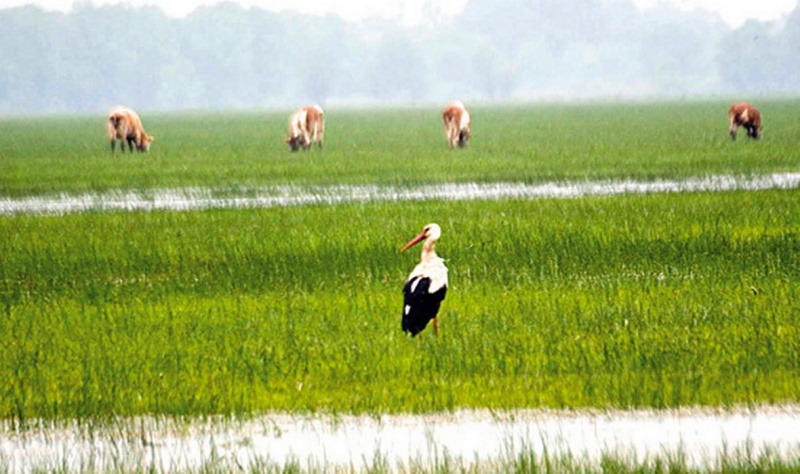
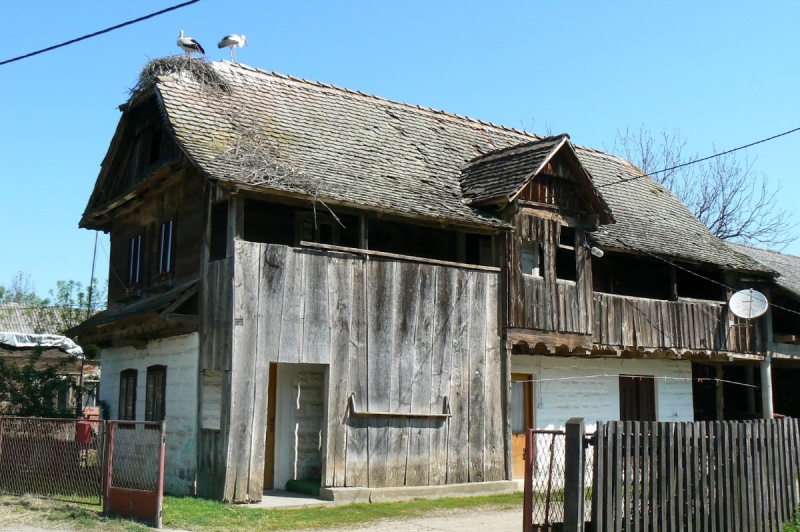
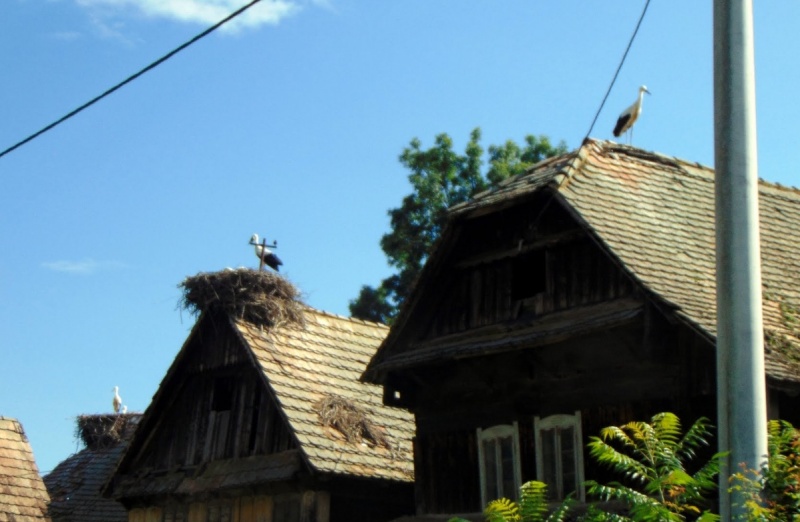
U parku se nalazi i poznato the village of Čigoč, known also as „the European Stork Village“, where there are more storks than inhabitants – 200 storks compared to 120 people. Storks are carnivores and feed on animals commonly found in marshland areas, such as frogs, fish, snakes and mice. The natural habitat of storks is forest, but due to various predators, storks eventually settled near human settlements, where they build their characteristically large nests. In total, the park has around 250 bird species, of which 170 nest here permanently.
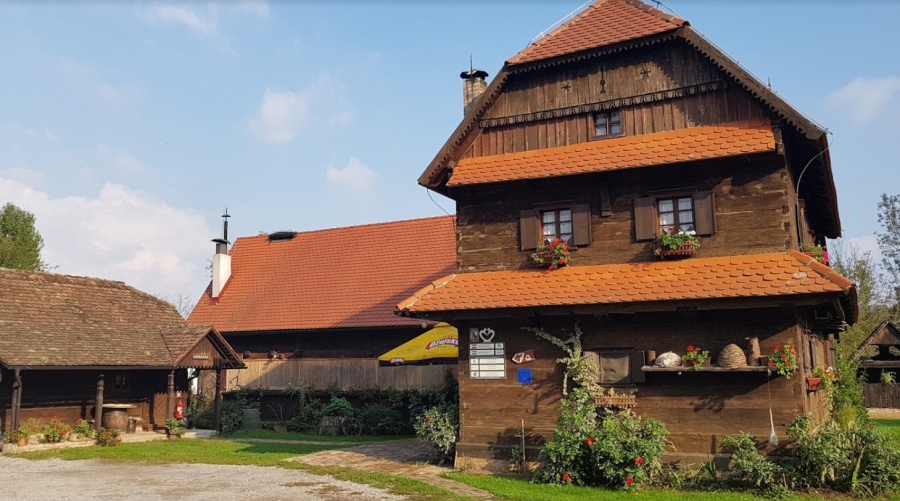
In the Lonjsko Polje area, the breeding of native pig breeds such as the Croatian Posavina pig and the Turopolje pig has been preserved. The park is a kind of monument to the traditional way of life that was characteristic of Europe right up until the 20th century. Besides its natural beauty, tourists can also enjoy cycling, walking, watching wild animals, horse riding and limited hunting. Rural tourism is well developed, and the offer includes local dishes such as paprikaš (paprika stew) and game dishes, as well as excursions and photo safaris.
Čigoč is a settlement in the central part of Lonjsko Polje, known as the village with the most stork nests in one place in Croatia, which is why it is also called the stork village. The European foundation for the protection of natural heritage, Euronatur, declared Čigoč the first European stork village back in 1994.
 Apartments MikiSenjCapacity: 2-25 · To the sea: 30 mfrom 38,50 € per person / nightView offer
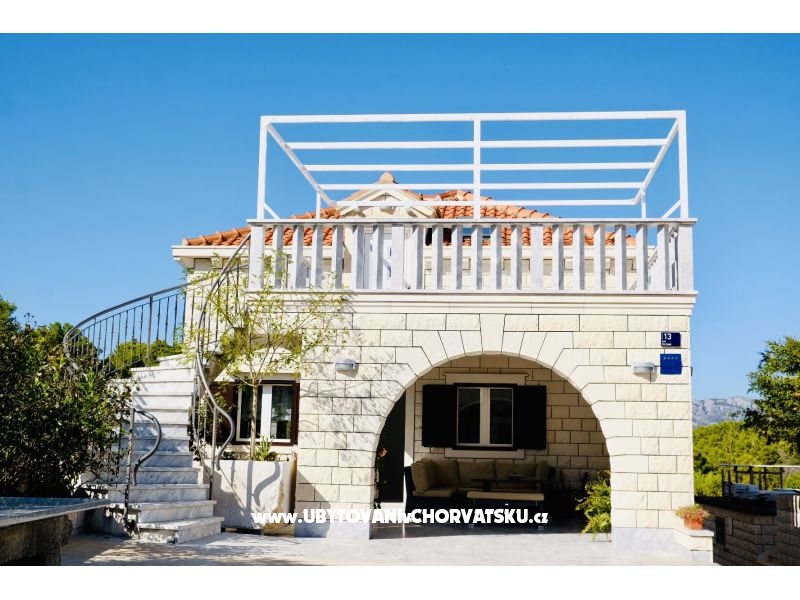 Apartmani TonikaBrač - otokCapacity: 4-8 · To the sea: 200 mfrom 8 € per person / nightView offer
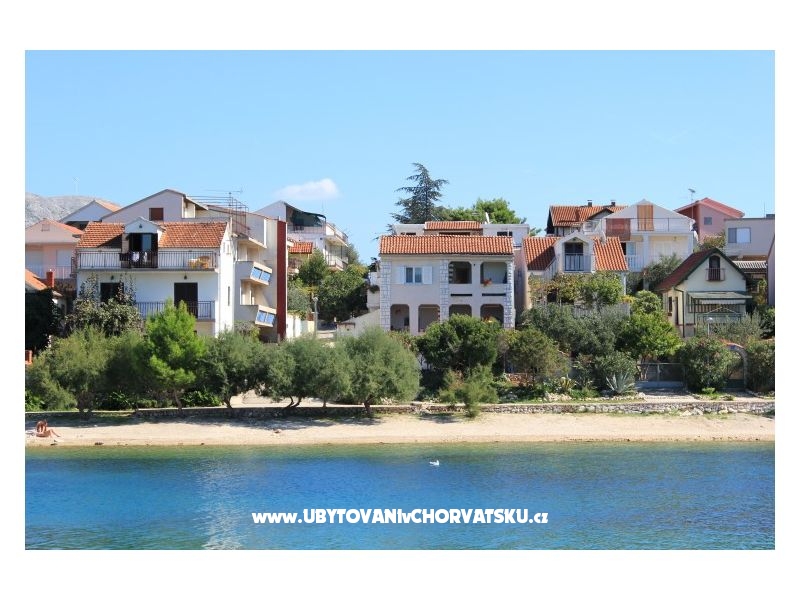 Villa Polajner ApartmaniPrimoštenCapacity: 2-18 · To the sea: 10 mfrom 9 € per person / nightView offer
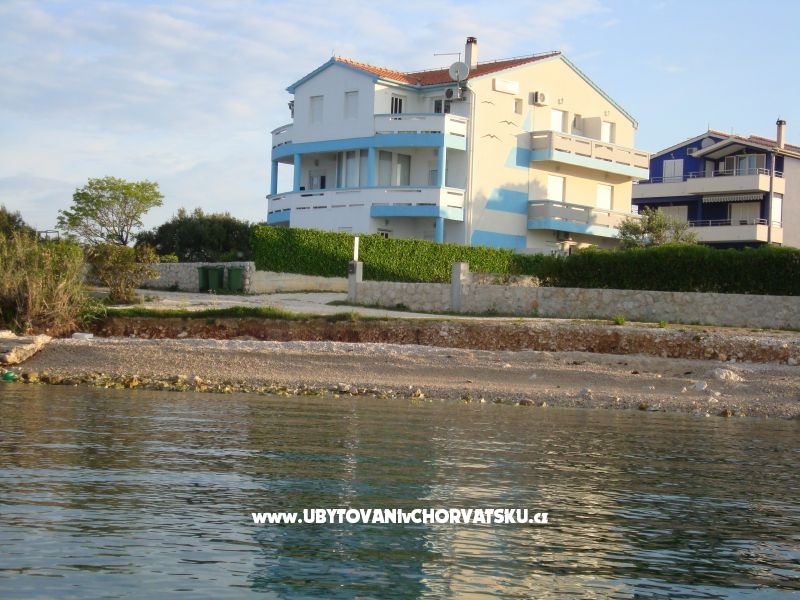 Apartmani SuzyBibinje kod ZadraCapacity: 1-30 · To the sea: 10 mfrom 15 € per person / nightView offer
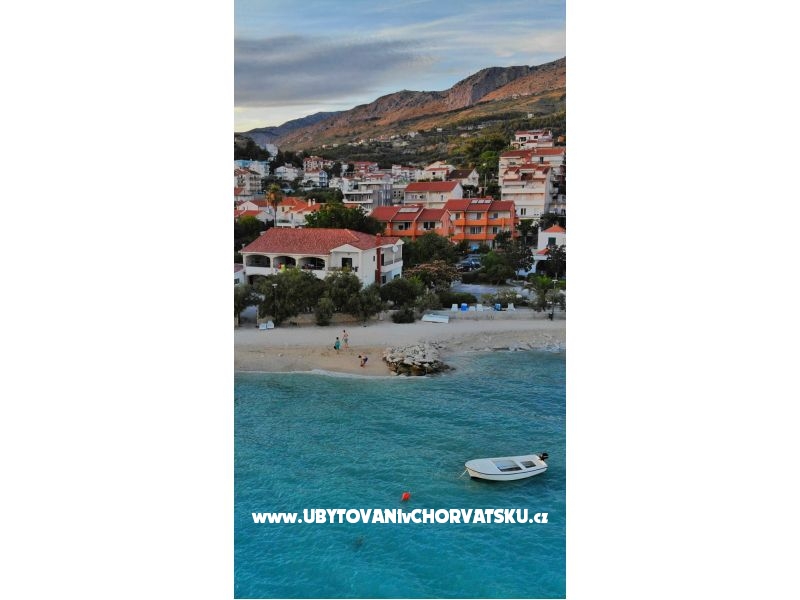 Apartmani LjuboPodstrana kod SplitaCapacity: 2-28 · To the sea: 30 mfrom 20 € per person / nightView offer
 Villa Gaby with heated poolSali – Dugi otokCapacity: 2-8 · To the sea: 500 mView offer

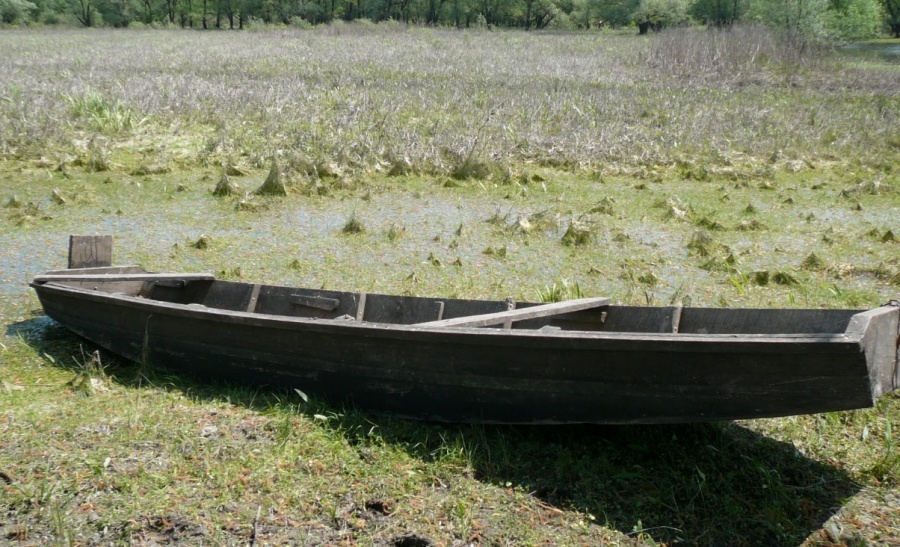


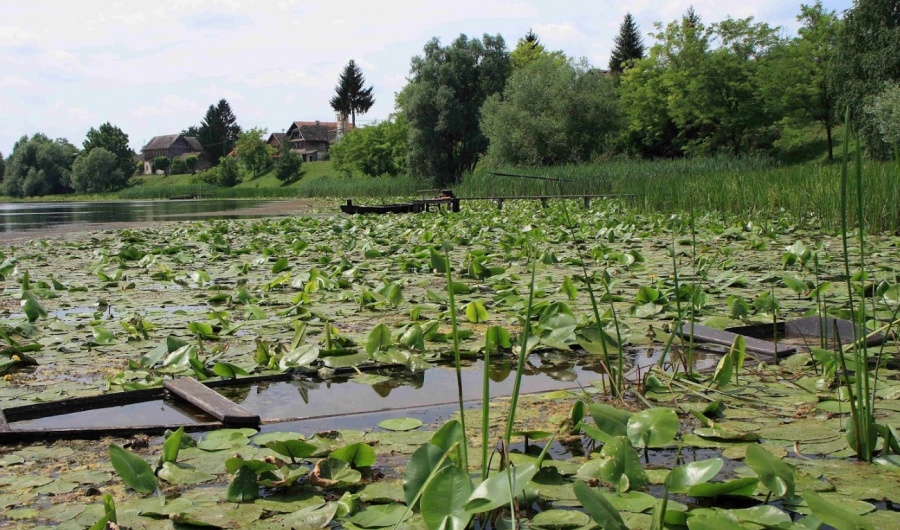
Lonjsko Polje is a large marshland area where constant floods shape the landscape, and which can occur throughout the year. Water in the floodplain area can remain for up to 6 months, and the park is an important spawning ground for carp. Among the other animals here are rare animals such as the white-tailed eagle and the short-toed snake eagle, the white heron, the black stork, and various species of ducks and herons. As a marshland area, Lonjsko Polje provides a refuge and feeding ground for numerous birds. There are about 550 plant species in the park, and many are endangered.
Lonjsko Polje Nature Park
Among its many activities, Lonjsko Polje offers visitors educational trails for walking and observing its natural riches. You can choose some of the trails, or of course all of them, and enjoy the diversity of the natural landscape and the wealth of plant and animal species.
Trails in Lonjsko Polje Nature Park
First, we will mention the „Posavci Trail“, which offers a pleasant walk through nature, lasting between 2 and 2 and a half hours. During the walk, you can enjoy views of the wilderness, as well as some parts that have been used by man for his own needs – while respecting the natural resources.
The trail speaks best about the characteristics of this floodplain area. It will tell you the story of the traditional way of livestock farming, which in the best sense is integrated with the natural dynamics of this area. Nearby is an observation point for watching birds, as well as domestic animals that graze freely here.
The trail leads in a circle, and along it 5 informative and educational panels with interesting details have been set up. The trail is a little over 4 kilometres long.
The second trail we will mention is the „Border Guards' Trail“. This trail begins in the village of Krapje, and heads in the direction of the Orlinci pasture. If you walk along the trail, you may well see and photograph genetically pure Turopolje pigs.
Not far away, the breeding herd of Slavonian-Podolian cattle can be found grazing freely in the open. The trail continues towards the largest nesting site of the Eurasian spoonbill (Platalea leucorodia) in Croatia.
Due to the pronounced marshy terrain and lush vegetation, mixed colonies of marsh birds also nest here. The best known among them are: the black-crowned night heron (Nycticorax nycticorax), the squacco heron (Ardeola ralloides), the little egret (Egretta garzetta), the great white egret (Egretta alba) and the purple heron (Ardea purpurea).
Touring this trail takes about 2 and a half hours.
The educational forest walking trail „Tena's Trail“ was built within the boundaries of the park near the village of Piljenice. With its name „Tena's Trail“, it commemorates the forester and Croatian writer Josip Kozarac. He in fact, as the first manager of the Lipovljani Forestry Office, spent a full 10 years here. In these forests, the writer wrote his most valuable works („Dead Capital“, „The Slavonian Forest“, „Between Light and Darkness“, „Tena“, „Mira Kodoličeva“ and many other long works).
The trail is easy and pleasant to walk, and it leads in a circle. It is 2.5 kilometres long, and enriched with educational panels. On the trail, 16 panels have been set up, explaining topics that you can encounter along the trail and in Lonjsko Polje Nature Park.
You can only walk this trail with the expert guidance of a nature park guide. You need to register in advance at the park's information centre.
No less important is the „Košac's Trail“. It too is laid out in a circle, starting from the Repušnica Reception Centre, and leads along the northern embankment of the Lonjsko Polje retention basin, past the Vrbačinec rest area, and ends at the reception centre.
The tour is possible with a guide, or on your own. The trail is suitable for bird watching. It is 5 kilometres long, and takes you through forests and meadows. A special attraction along the trail is the herds of native horse breeds grazing freely.
Bird watching in Lonjsko Polje Nature Park
Lonjsko Polje Nature Park records somewhere around 250 bird species. Of those 250, as many as 134 species are nesting birds, which represents one of the most important areas for birds in Croatia.
Even by European, and indeed world, standards, this bird diversity, and the large number of birds in a relatively small area, gives a picture of a very rich bird fauna. For this reason, Lonjsko Polje is important in every respect and context of bird habitat. It is an important nesting ground, wintering ground and habitat for numerous bird species.
As many as 113 bird species that live here are endangered at the national level.
79 bird species that live here are on the list of endangered species at the European level.
227 species are protected by the Nature Protection Act of the Republic of Croatia.
133 bird species are protected by international conservation conventions.
Lonjsko Polje animals (fauna)
U parku se nalazi i poznato the village of Čigoč, known also as „the European Stork Village“, where there are more storks than inhabitants – 200 storks compared to 120 people. Storks are carnivores and feed on animals commonly found in marshland areas, such as frogs, fish, snakes and mice. The natural habitat of storks is forest, but due to various predators, storks eventually settled near human settlements, where they build their characteristically large nests. In total, the park has around 250 bird species, of which 170 nest here permanently.
In the Lonjsko Polje area, the breeding of native pig breeds such as the Croatian Posavina pig and the Turopolje pig has been preserved. The park is a kind of monument to the traditional way of life that was characteristic of Europe right up until the 20th century. Besides its natural beauty, tourists can also enjoy cycling, walking, watching wild animals, horse riding and limited hunting. Rural tourism is well developed, and the offer includes local dishes such as paprikaš (paprika stew) and game dishes, as well as excursions and photo safaris.
Čigoč, the stork village
Čigoč is a settlement in the central part of Lonjsko Polje, known as the village with the most stork nests in one place in Croatia, which is why it is also called the stork village. The European foundation for the protection of natural heritage, Euronatur, declared Čigoč the first European stork village back in 1994.
Lonjsko Polje Nature Park pictures
Private accommodation in Croatia – directly from the owners
Search accommodation in Croatia →Apartments MikiSenjCapacity: 2-25 · To the sea: 30 mfrom 38,50 € per person / nightView offerApartmani TonikaBrač - otokCapacity: 4-8 · To the sea: 200 mfrom 8 € per person / nightView offerVilla Polajner ApartmaniPrimoštenCapacity: 2-18 · To the sea: 10 mfrom 9 € per person / nightView offerApartmani SuzyBibinje kod ZadraCapacity: 1-30 · To the sea: 10 mfrom 15 € per person / nightView offerApartmani LjuboPodstrana kod SplitaCapacity: 2-28 · To the sea: 30 mfrom 20 € per person / nightView offerVilla Gaby with heated poolSali – Dugi otokCapacity: 2-8 · To the sea: 500 mView offerFollow us on Facebook for more articles about Croatia. Share this article using the buttons on the right. Thank you!

Upgrade this article
Bio si na ovom mjestu? Podijeli s nama svoja iskustva ili fotografije.
Napiši svoju verziju članka. Nagrađujemo vlasnike apartmana.