
The fortress as we know it today came into being in the 16th century, when the complex was extended and the curtain wall raised to the height of the oldest tower.
On the ground floor of the Fortress of St John is the Aquarium, and on the first and second floors is the Maritime Museum. Here is also one of the entrances to the walls, which is logical given that St John is a fortress forming part of the Dubrovnik city walls.
It is located on the southern side and its main role was the defence of the city harbour. The fortress was built in 1346 under the name Fortress “od mula” (“of the pier”). Nearby, the so-called Gundulić Fortress was later erected, according to the plans of the Dubrovnik engineer Paskoje Miličević. In 1522 the two fortresses were connected by towers, and since 1557 they have formed the whole we know today – a monumental structure partly semicircular in shape.
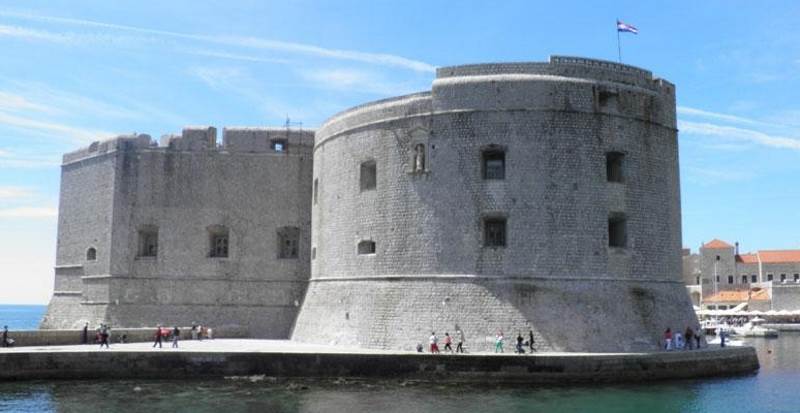 Inside the fortress there used to be a large gunpowder store. Together with Minčeta in the north and Bokar and Lovrijenac in the west, St John was the third important stronghold on the Dubrovnik walls. The defence of the city was a priority, so the importance of all the fortresses, including this one, was exceptionally great.
The city harbour was defended on the north side by the smaller Fortress of St Luke, while on the south side this role was played by the Fortress of St John. At the very beginning a chain stretched between these two fortresses to prevent unwanted ships from entering the harbour. The defence conceived in this way was so solid that ships passing without notice lost their keels. The chain remained there until 1484, when an artificial islet was built, today's Kaše breakwater. The breakwater was built according to the plans of the builder Paskoje Miličević.
Today the premises of the Fortress of St John preserve a considerable part of the cultural treasures from the time of the Republic. They also house the collections of the Maritime Museum and of the Aquarium and the Institute for the Sea and Coastal Zone. On the terrace, which serves as a summer stage for the Dubrovnik Summer Festival, stood a cannon from the sailing ship Triton.
Today the fortress is visited by a large number of guests, especially the Aquarium and the Maritime Museum in Dubrovnik. If you have the opportunity, be sure to come and see the old walls and the fortresses that rest on them.
Nearby sights: Dubrovnik Aquarium (50 m), Dubrovnik Museums – Maritime Museum (50 m), Konoba "Ribar" (100 m)
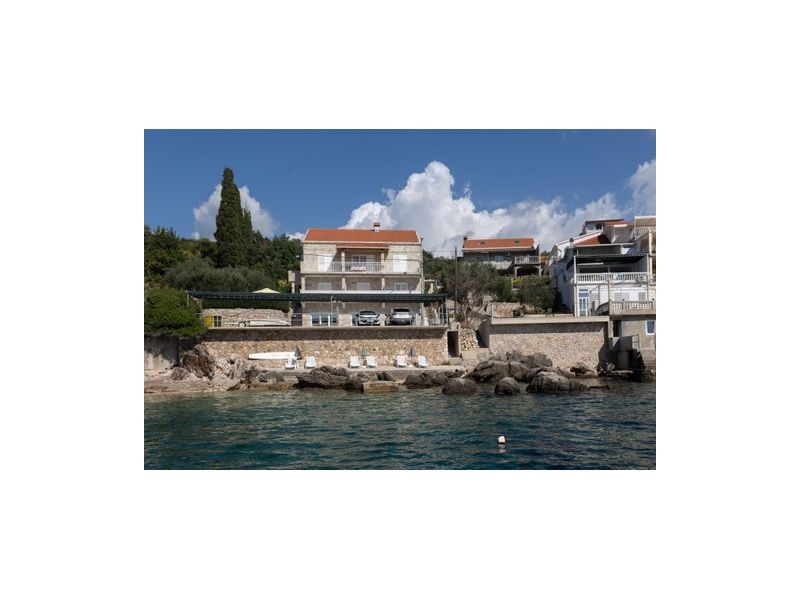 Apartments MoreDubrovnikCapacity: 2-12 · To the sea: 10 mfrom 15 € per person / nightView offer
 Apartments LOVE DUBROVNIKDubrovnikCapacity: 2-8 · To the sea: 100 mfrom 40 € per person / nightView offer
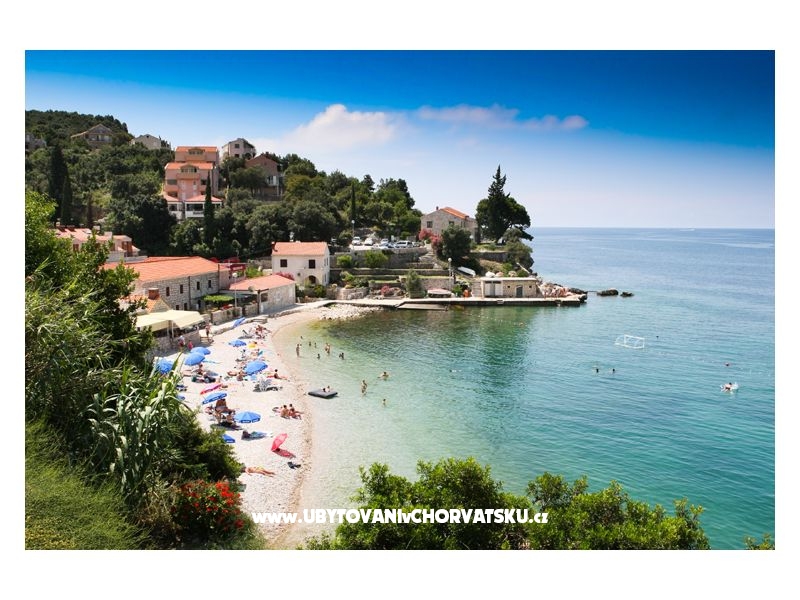 Fig & Olive apartmentsDubrovnikCapacity: 2-6 · To the sea: 30 mfrom 50 € per person / nightView offer
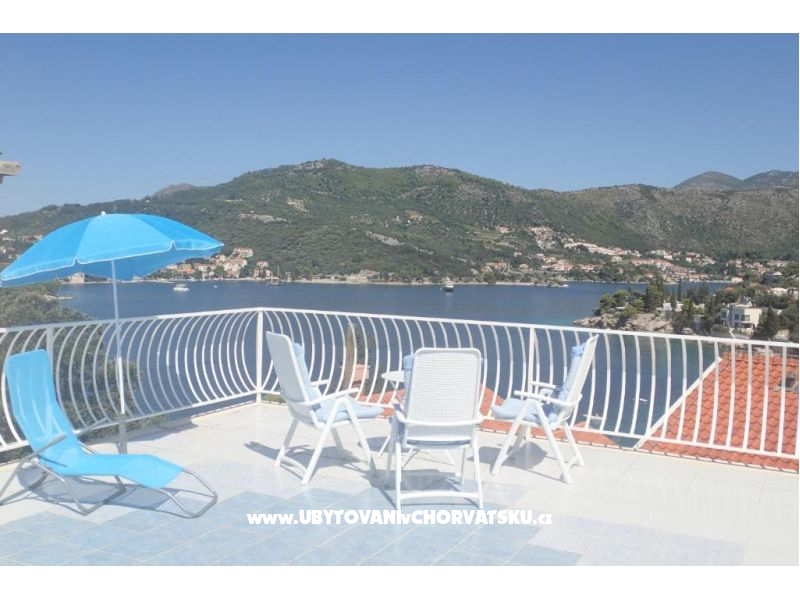 Villa AmicaDubrovnikCapacity: 2-7 · To the sea: 200 mView offer
 Villa Ana ApartmentsDubrovnikCapacity: 1-17 · To the sea: 5 mView offer
 Apartments Barovic SrebrenoDubrovnikCapacity: 2-17 · To the sea: 200 mfrom 13 € per person / nightView offer
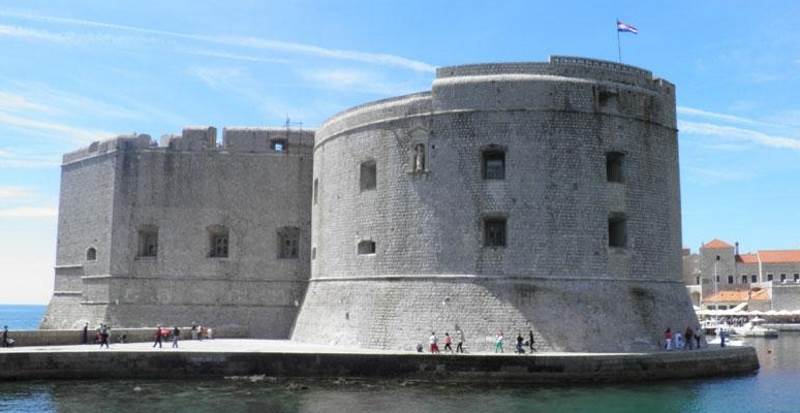
It is located on the southern side and its main role was the defence of the city harbour. The fortress was built in 1346 under the name Fortress “od mula” (“of the pier”). Nearby, the so-called Gundulić Fortress was later erected, according to the plans of the Dubrovnik engineer Paskoje Miličević. In 1522 the two fortresses were connected by towers, and since 1557 they have formed the whole we know today – a monumental structure partly semicircular in shape.
Inside the fortress there used to be a large gunpowder store. Together with Minčeta in the north and Bokar and Lovrijenac in the west, St John was the third important stronghold on the Dubrovnik walls. The defence of the city was a priority, so the importance of all the fortresses, including this one, was exceptionally great.The city harbour was defended on the north side by the smaller Fortress of St Luke, while on the south side this role was played by the Fortress of St John. At the very beginning a chain stretched between these two fortresses to prevent unwanted ships from entering the harbour. The defence conceived in this way was so solid that ships passing without notice lost their keels. The chain remained there until 1484, when an artificial islet was built, today's Kaše breakwater. The breakwater was built according to the plans of the builder Paskoje Miličević.
Today the premises of the Fortress of St John preserve a considerable part of the cultural treasures from the time of the Republic. They also house the collections of the Maritime Museum and of the Aquarium and the Institute for the Sea and Coastal Zone. On the terrace, which serves as a summer stage for the Dubrovnik Summer Festival, stood a cannon from the sailing ship Triton.
Today the fortress is visited by a large number of guests, especially the Aquarium and the Maritime Museum in Dubrovnik. If you have the opportunity, be sure to come and see the old walls and the fortresses that rest on them.
Nearby sights: Dubrovnik Aquarium (50 m), Dubrovnik Museums – Maritime Museum (50 m), Konoba "Ribar" (100 m)
Private accommodation in Dubrovnik – directly from the owners
All accommodation in Dubrovnik →Apartments MoreDubrovnikCapacity: 2-12 · To the sea: 10 mfrom 15 € per person / nightView offerApartments LOVE DUBROVNIKDubrovnikCapacity: 2-8 · To the sea: 100 mfrom 40 € per person / nightView offerFig & Olive apartmentsDubrovnikCapacity: 2-6 · To the sea: 30 mfrom 50 € per person / nightView offerVilla AmicaDubrovnikCapacity: 2-7 · To the sea: 200 mView offerVilla Ana ApartmentsDubrovnikCapacity: 1-17 · To the sea: 5 mView offerApartments Barovic SrebrenoDubrovnikCapacity: 2-17 · To the sea: 200 mfrom 13 € per person / nightView offerFollow us on Facebook for more articles about Croatia. Share this article using the buttons on the right. Thank you!
Upgrade this article
Bio si na ovom mjestu? Podijeli s nama svoja iskustva ili fotografije.
Napiši svoju verziju članka. Nagrađujemo vlasnike apartmana.