
This is an imposing building in every respect. With its dimensions, shape and age, the Church of St Chrysogonus adorns the city's appearance and is a favourite place to visit for many of our guests.
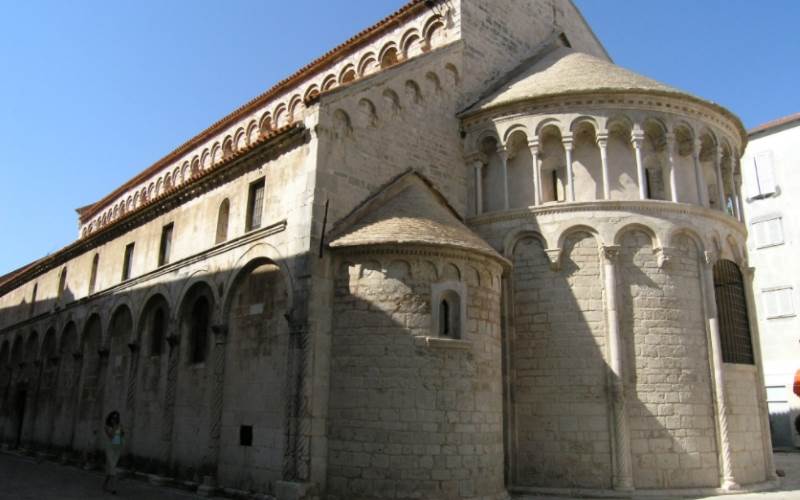
It is a three-nave basilica with three richly decorated semicircular apses. It is Romanesque in style, and it received its name after St Chrysogonus the Martyr. St Chrysogonus is the patron saint of Zadar, and his image adorns the coat of arms of this city.
The Church of St Chrysogonus, together with its bell tower, is the only preserved part of what was once an extensive Benedictine abbey. The Benedictine abbey was founded back in the Middle Ages, and the church itself was built on the site of a Roman emporium. The basilica itself is a Romanesque building, erected in the same period and in the same artistic forms as the Cathedral of St Anastasia.
 In 1175 it was consecrated by Lampridius, the first Archbishop of Zadar, who was host to Pope Alexander III. Two harmonious colonnades divide the church into three naves. The back of the basilica is adorned with three semicircular apses, in front of which stands a raised presbytery, in the middle of which is a valuable Baroque altar from 1701, with white marble statues of Zadar's patron saints, St Simeon, St Chrysogonus, St Anastasia and St Zoilus. All of them are the work of the Venetian sculptor Alvise Tagliapietra. The altar was built as the fulfilment of a vow made by the citizens of Zadar against the plague, which they made in 1632.
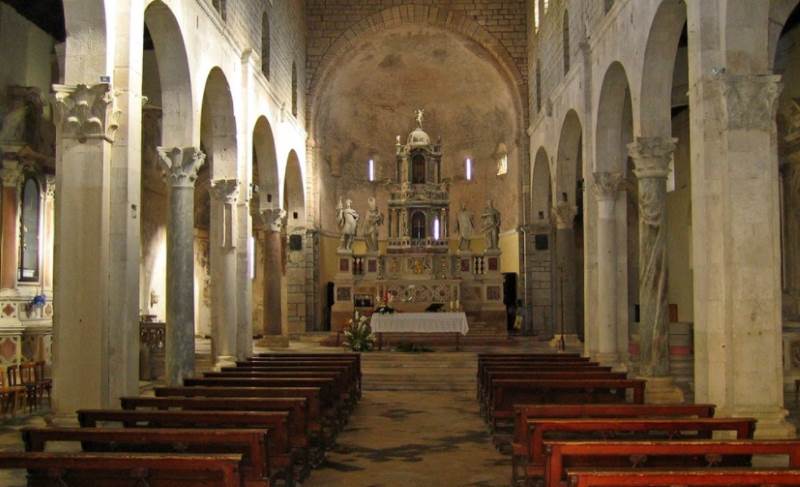 In the gable of the church, above the main apse and in the curve of the left side apse and on the wall next to it, there are remains of Romanesque frescoes. In the central part of the façade is the main portal, with a semicircular lunette and a triangular gable above it. The surface of the side wall is articulated by a long row of blind arches resting on twisted pilasters. One particular detail of this architecture stands out especially, namely the external gallery on the main apse.
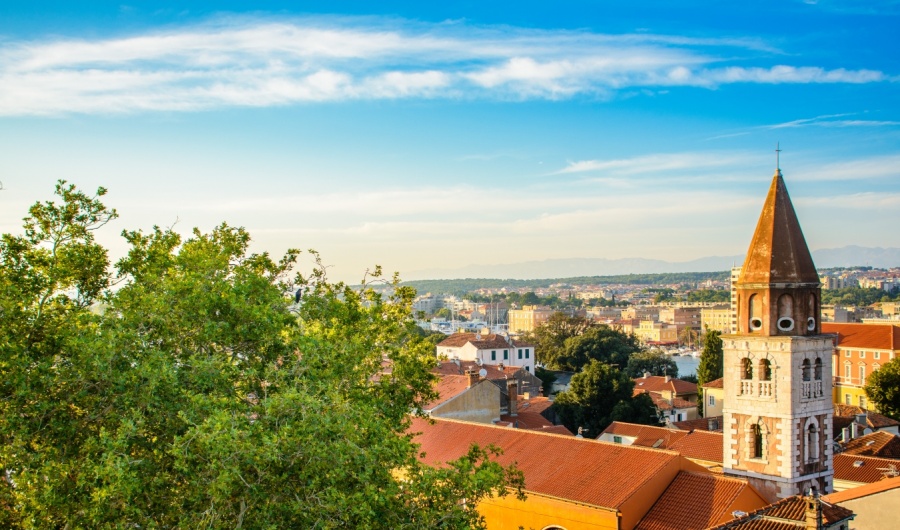
Next to the church are the remains of the medieval Benedictine monastery, which was completely rebuilt in the 19th century and demolished in the Second World War. Construction of the bell tower began in 1485, and it was built up to its present height in 1546. It was never completed in its entirety.
The basilica, together with Zadar Cathedral, represents a crowning example of Romanesque art in the architectural heritage of Dalmatia. It also illustrates the high spiritual level of Zadar in the 12th century. For our national history and the general cultural heritage of Croatia, it is particularly worth mentioning a valuable institution from this abbey – the scriptorium in which many important documents and written works of art were produced, including those with musical notation: a gradual from the 1st century, an antiphonary from the 14th, a ritual book from the 15th century, the missal of Abbot Venier, and certainly a large part of related writings from the other churches and monasteries of Zadar, especially the Cathedral and the Convent of St Mary.
Many people say that this three-nave basilica is also the most beautiful church from the Romanesque period built in Croatia. It is well preserved and has retained its beauty throughout its long existence.
The main altar was built in 1701 as the fulfilment of a vow made by the citizens of Zadar against the plague of 1632.
Next to the church are the remains of the medieval Benedictine monastery, destroyed in the Second World War, as well as the bell tower, begun in 1485. This bell tower has still not been fully completed, but even so it represents a complete historical interval in which Zadar lived.
Be sure to visit this building, and enjoy the beauty of the construction and the building craftsmanship of that period.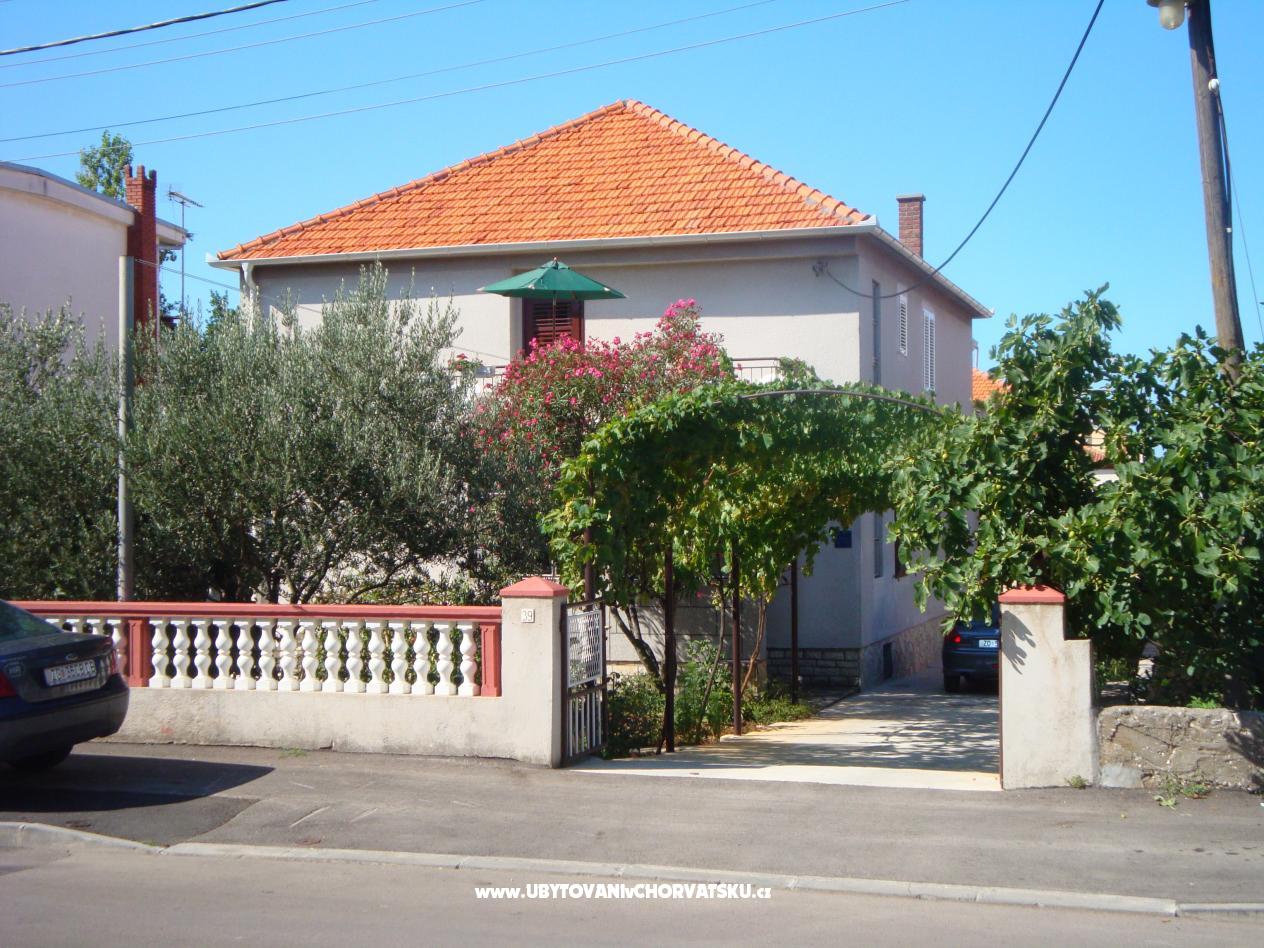 House Jasna ApartmentZadarCapacity: 6-9 · To the sea: 200 mView offer
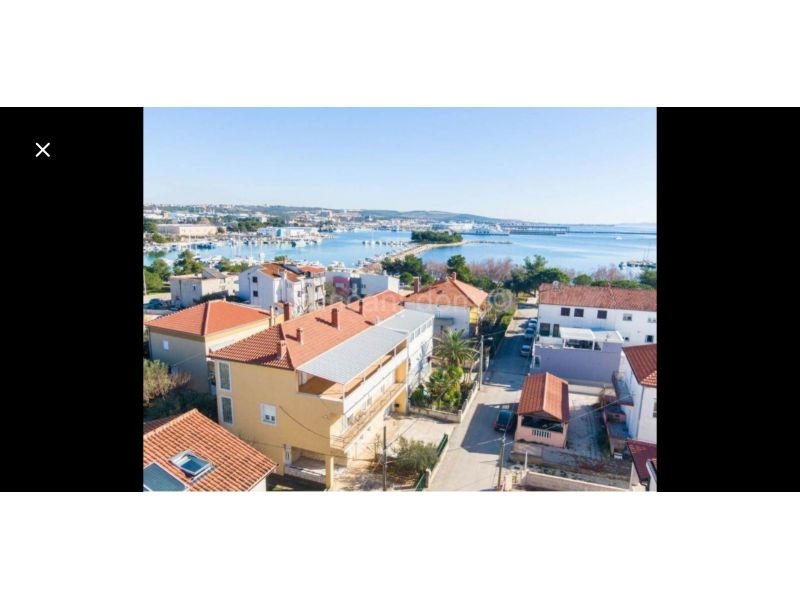 Apartments Asea ZadarZadarCapacity: 2-15 · To the sea: 50 mfrom 20 € per person / nightView offer
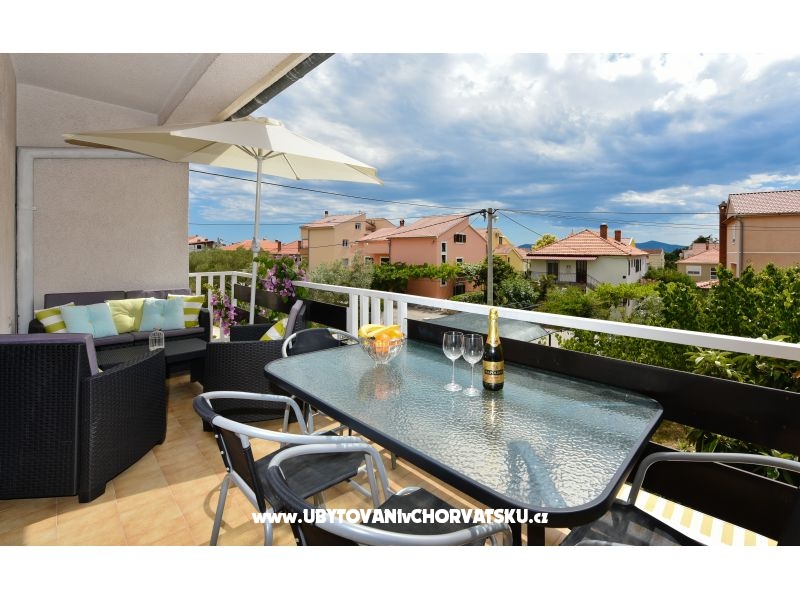 Sunny sideZadarCapacity: 1-6 · To the sea: 500 mView offer
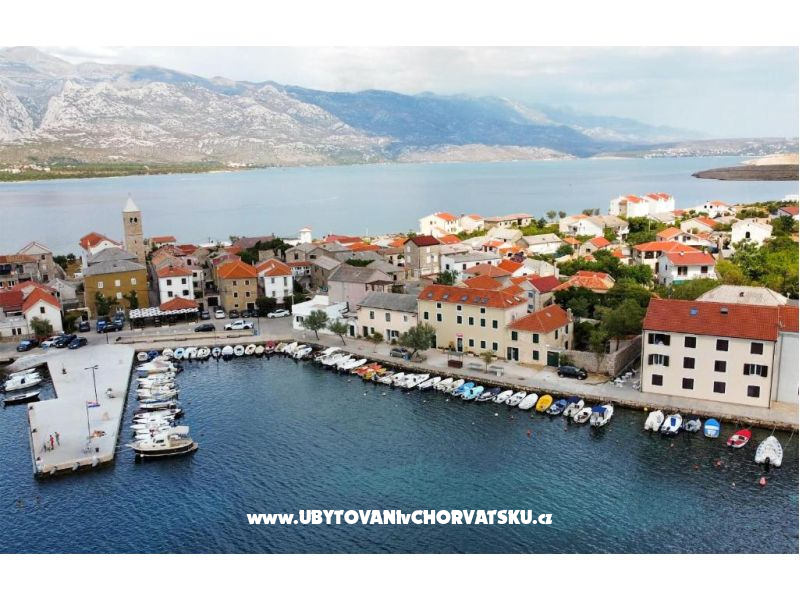 Vila Tamarix apartmaniZadarCapacity: 2-45 · To the sea: 2 mfrom 25 € per person / nightView offer
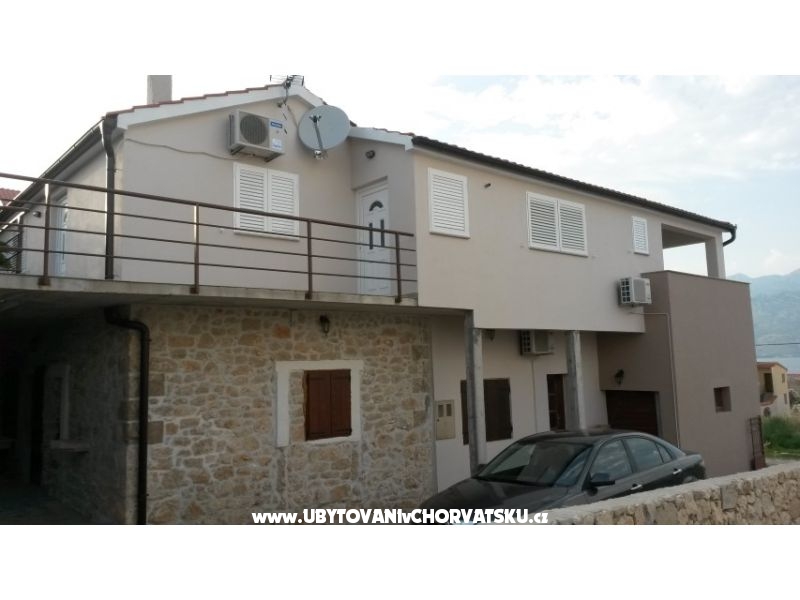 Apartmani RokoZadarCapacity: 2-14 · To the sea: 100 mfrom 8 € per person / nightView offer
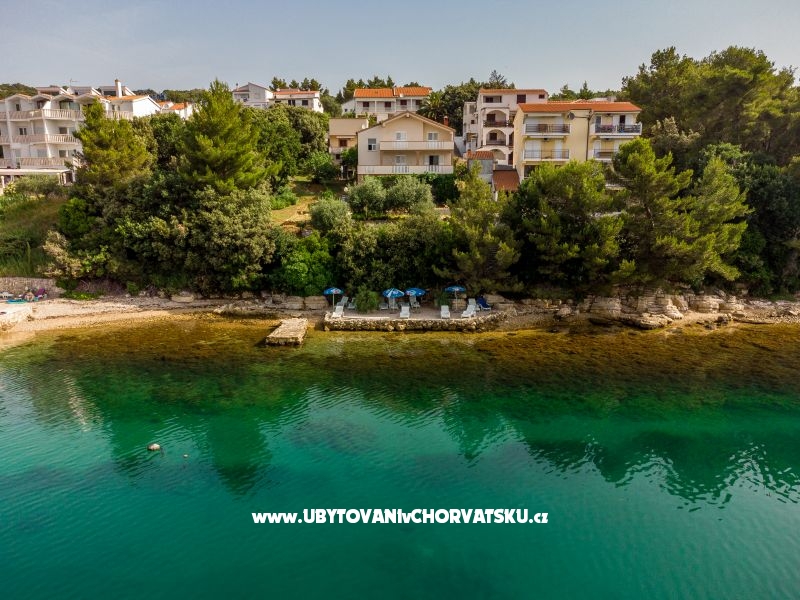 Apartmani TunjaricaZadarCapacity: 4-12 · To the sea: 10 mfrom 10 € per person / nightView offer
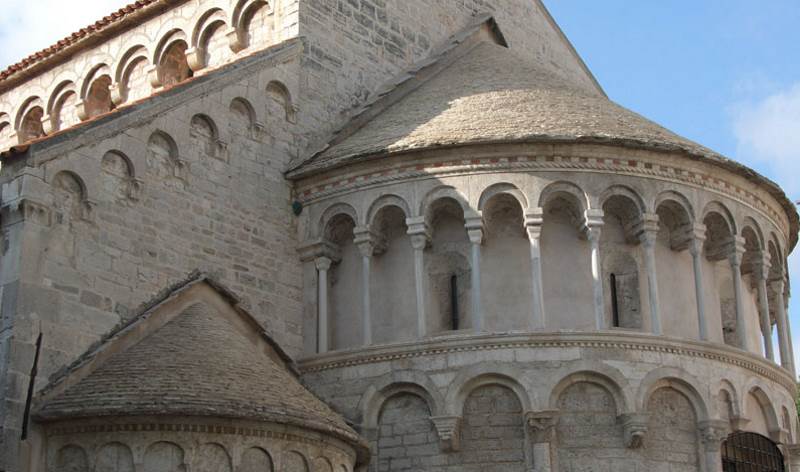
The Church of St Chrysogonus, together with its bell tower, is the only preserved part of what was once an extensive Benedictine abbey. The Benedictine abbey was founded back in the Middle Ages, and the church itself was built on the site of a Roman emporium. The basilica itself is a Romanesque building, erected in the same period and in the same artistic forms as the Cathedral of St Anastasia.
In 1175 it was consecrated by Lampridius, the first Archbishop of Zadar, who was host to Pope Alexander III. Two harmonious colonnades divide the church into three naves. The back of the basilica is adorned with three semicircular apses, in front of which stands a raised presbytery, in the middle of which is a valuable Baroque altar from 1701, with white marble statues of Zadar's patron saints, St Simeon, St Chrysogonus, St Anastasia and St Zoilus. All of them are the work of the Venetian sculptor Alvise Tagliapietra. The altar was built as the fulfilment of a vow made by the citizens of Zadar against the plague, which they made in 1632.In the gable of the church, above the main apse and in the curve of the left side apse and on the wall next to it, there are remains of Romanesque frescoes. In the central part of the façade is the main portal, with a semicircular lunette and a triangular gable above it. The surface of the side wall is articulated by a long row of blind arches resting on twisted pilasters. One particular detail of this architecture stands out especially, namely the external gallery on the main apse.Next to the church are the remains of the medieval Benedictine monastery, which was completely rebuilt in the 19th century and demolished in the Second World War. Construction of the bell tower began in 1485, and it was built up to its present height in 1546. It was never completed in its entirety.
The basilica, together with Zadar Cathedral, represents a crowning example of Romanesque art in the architectural heritage of Dalmatia. It also illustrates the high spiritual level of Zadar in the 12th century. For our national history and the general cultural heritage of Croatia, it is particularly worth mentioning a valuable institution from this abbey – the scriptorium in which many important documents and written works of art were produced, including those with musical notation: a gradual from the 1st century, an antiphonary from the 14th, a ritual book from the 15th century, the missal of Abbot Venier, and certainly a large part of related writings from the other churches and monasteries of Zadar, especially the Cathedral and the Convent of St Mary.
The Church of St Chrysogonus Is Also Considered the Most Beautiful Romanesque Church in Croatia
Many people say that this three-nave basilica is also the most beautiful church from the Romanesque period built in Croatia. It is well preserved and has retained its beauty throughout its long existence.
The main altar was built in 1701 as the fulfilment of a vow made by the citizens of Zadar against the plague of 1632.
Next to the church are the remains of the medieval Benedictine monastery, destroyed in the Second World War, as well as the bell tower, begun in 1485. This bell tower has still not been fully completed, but even so it represents a complete historical interval in which Zadar lived.
Be sure to visit this building, and enjoy the beauty of the construction and the building craftsmanship of that period.
Private accommodation in Zadar – directly from the owners
All accommodation in Zadar →House Jasna ApartmentZadarCapacity: 6-9 · To the sea: 200 mView offerApartments Asea ZadarZadarCapacity: 2-15 · To the sea: 50 mfrom 20 € per person / nightView offerSunny sideZadarCapacity: 1-6 · To the sea: 500 mView offerVila Tamarix apartmaniZadarCapacity: 2-45 · To the sea: 2 mfrom 25 € per person / nightView offerApartmani RokoZadarCapacity: 2-14 · To the sea: 100 mfrom 8 € per person / nightView offerApartmani TunjaricaZadarCapacity: 4-12 · To the sea: 10 mfrom 10 € per person / nightView offerFollow us on Facebook for more articles about Croatia. Share this article using the buttons on the right. Thank you!
Upgrade this article
Bio si na ovom mjestu? Podijeli s nama svoja iskustva ili fotografije.
Napiši svoju verziju članka. Nagrađujemo vlasnike apartmana.