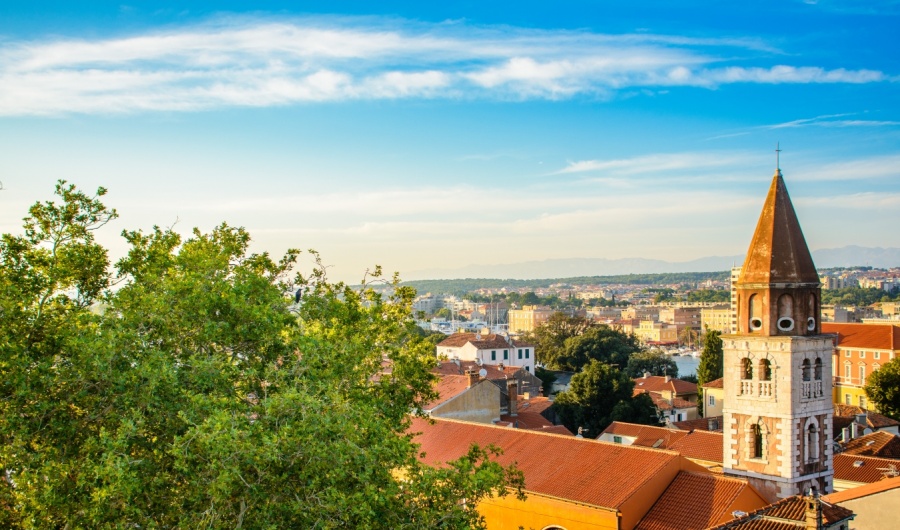

Dubrovnik is a city in the south of Croatia, well known to the world throughout its entire life. It is the administrative centre of Dubrovnik-Neretva County and one of the most important historical and tourist centres of Croatia. Mount Srđ above Dubrovnik is the best place to take panoramic photographs of the city.
Dubrovnik has been a city on the UNESCO World Heritage List since 1979.
For years now the city of Dubrovnik has captured the attention of the whole world. It has become one of the most desirable cities to visit, which is no surprise given its beauty, rich history and the status it has had throughout the past.
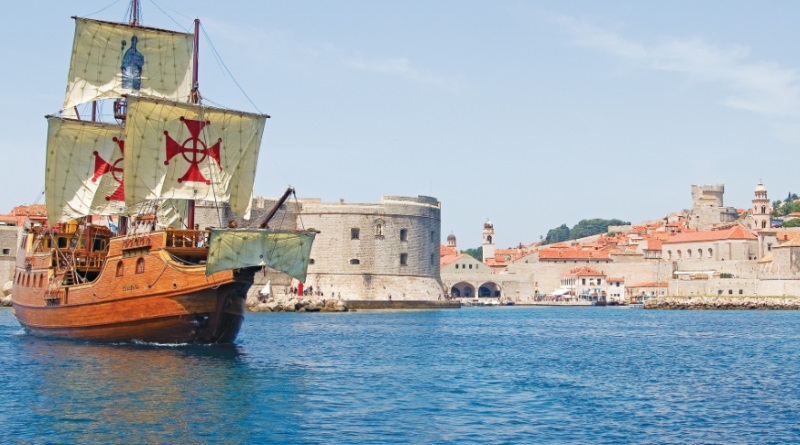 The prosperity of Dubrovnik has been based on maritime trade since ancient times. Already in the Middle Ages it played a significant role in the transport of goods by sea, and at one point it was the only city-state on the eastern Adriatic coast that competed with the Republic of Venice. Through good diplomacy and the great wealth it possessed, Dubrovnik achieved an outstanding level of development. The city experienced a particular boom in the 15th and 16th centuries.
Since Dubrovnik is today an important tourist centre, it is only right that we describe the history of this city and mention the sights that stand out in it.
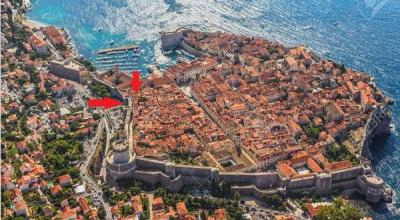
Dubrovnik was a well-protected city, and even today the old town core is dominated by high stone walls. The Dubrovnik City Walls are almost two kilometres long, and it is precisely because of them that this city enjoys the status it has today. Indeed, many consider it the most beautiful city on the Mediterranean. We must certainly mention the Lovrijenac fortress here - read a little about it, then come back to this interesting article.
The city is first mentioned in written documents in 850. The most significant detail of Dubrovnik's history is the fact that it was an independent republic after 1358, when Louis I confirmed to the Dubrovnik Republic all the attributes of statehood.
In 1377 the first quarantine in the world was established in Dubrovnik. All travellers arriving in this city from risky countries had to spend a certain time in quarantine until it was established that they were healthy.
The old citizens of Dubrovnik valued freedom most of all, which is still visible today in the inscription Libertas on the flag of the city of Dubrovnik. Thus as early as 1416 the Dubrovnik Republic was the first European state to pass a decree abolishing slavery and banning the transport of slaves by ship.
There are many more interesting historical facts about Dubrovnik. We can mention that in the 16th century Dubrovnik was a European maritime power. It had 40 thousand sailors and more than 180 large ships.
One of the more interesting facts is also that the Dubrovnik Republic was as far back as 1783 the first state to recognise the independence of the United States of America.
The old town, as it looks today, is set within the old, high defensive walls. This historic building is still very well preserved today, and it is a place that tourists want to see up close. A large number of tourists walk along the walls every year, and the view from them stretches far to the horizon, where the blue shades of the Adriatic merge with the sky blue.
The old part of the city can also best be seen from the walls. A walk along these stone paths will enchant every person, and the view of Dubrovnik, the islands and the sea will awaken feelings you did not even know existed.
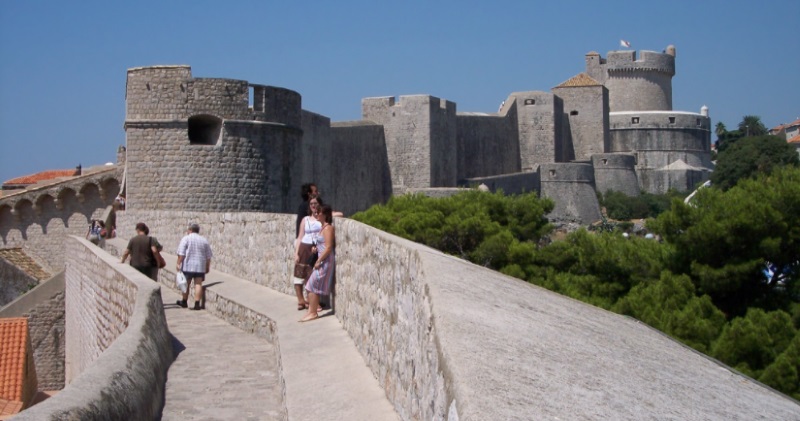 However, if you decide to go for a walk, make sure to do it in the morning or late afternoon. Take enough water with you to refresh yourself. In strong sunshine a walk along the long city walls can be tiring.
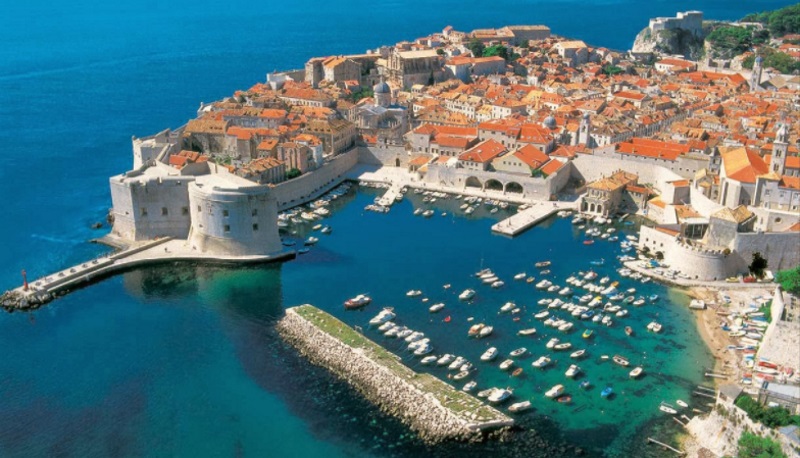
Besides the walls themselves, the historic core of Dubrovnik was protected by towers on every side. On the northern side of the walls stands the round Minčeta Tower. It was built in the 15th century, and the well-known builder Juraj Dalmatinac took part in its construction. There is also the Fort of St. John, which guarded the entrance to the Dubrovnik harbour. On the eastern side of the walls, in the 15th century, the Revelin Fort was built, which protected the city from a possible Turkish breakthrough.
There is still a great deal to see in Dubrovnik. We have neither the time nor the room in this post to write about every detail. Even when you visit Dubrovnik, you will not manage to see everything in one visit. A city of such rich history should be toured several times, so that you at least get to know it a little.
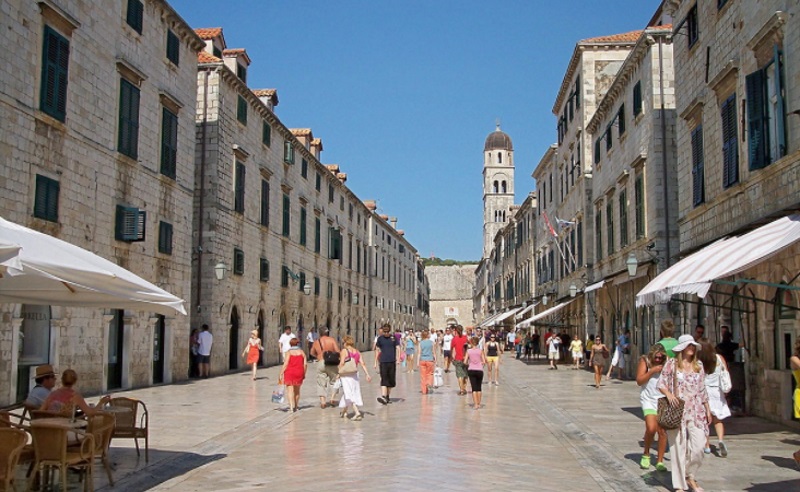
The wide main street Stradun runs through the centre of the city. Today it is the lifeblood of the city and the place where people mainly gather, the promenade of the citizens of Dubrovnik and their guests.
Stradun is a kind of symbol of the city, so it is only right that we set aside a few lines to describe it. Numerous events take place in the old town core, and entertainers, artists and craftsmen entertain visitors every day and try to show the appearance of the city in bygone times. If you walk along Stradun, you will be able to see almost everything. A stroll along the main street of Dubrovnik is a special experience. This is the best way to experience the city and its dynamism. Narrow little streets, stone houses and the crowds of passers-by are special details that adorn this part of the city.
 Nearby Stradun is also the well-known Large Onofrio's Fountain. It was built in 1400 and has been well preserved up to the present day. On hot summer days the water from this fountain will still quench your thirst and cool you down from the strong sun. On Stradun there is also the oldest preserved sculpture in the city - Orlando's Column.
There are still many historical curiosities in this city, but we do not have room to describe each of them separately. Visiting Dubrovnik is the best way to get to know it. Once you come to this city it will be hard to leave. The wish to return and make new discoveries will smoulder within you until the next opportunity to come back.
Just briefly, let us mention the Sponza Palace, the City Bell Tower, the Rector's Palace and many other buildings built at a time when Dubrovnik was the centre of the world. Perhaps we are exaggerating a little, but not by much. Think about it...
Every year on the same date – 3 February – the most important religious holiday in Dubrovnik, the Feast of St. Blaise, is celebrated. The importance of this celebration is best shown by the fact that in the past it was customary for any convict or offender to be able to come freely into the city two days before and two days after the Feast, without anyone being able to call them to account.
Throughout its history Dubrovnik was a city of trade, crafts and seafaring. The main branches of the economy were for centuries the development mainstay of the city and the surrounding places, but in more recent times the city increasingly and better lives off tourism.
In the past it was significant in trade in mining, agricultural and livestock products, manufactured goods, salt and similar goods, which it still is today. Still, times change, and so does the city of Dubrovnik itself.
Although it can still boast a significant share in trade, passenger transport and other similar activities, Dubrovnik earns a large part of its income from tourism.
The city has literally transformed. It had, of course, a very good foundation, because the walls that once protected the city from attack are today a valuable tourist attraction. Well-preserved monuments, city fortresses and old houses attract large numbers of people from all over the world.
Today Dubrovnik is reaping the fruits of its history, in a modern and very interesting way.
Few people are aware of this fact, but there are records which say that the Anglo-Norman king Richard I the Lionheart came to Dubrovnik in the autumn of 1192 after returning from the Crusade. There he found shelter from a storm that arose during his voyage by ship.
One of the first medieval sewage systems was built in the Dubrovnik Republic. That was as far back as 1296, and some parts of that system are still in use today.
The pharmacy in the Franciscan monastery in Dubrovnik is one of the oldest in Europe. More precisely, the pharmacy opened as far back as 1317 and has been operating continuously to this day. It is the third oldest in Europe.
One curiosity of which the citizens of Dubrovnik are especially proud. Namely, Dubrovnik issued a decree abolishing slavery and banning the transport of slaves on 27 January 1416. It was the first ban on slavery in Europe.
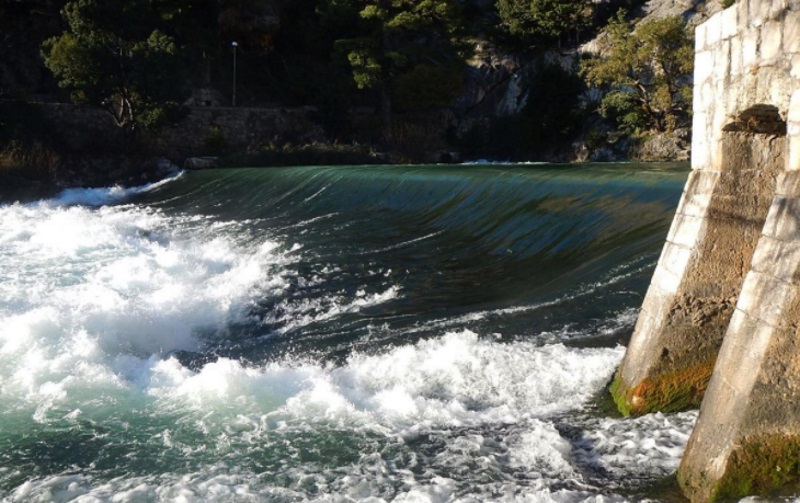 Many people do not know this either, and it is very interesting. Dubrovnik has one of the shortest rivers in the world. Namely, the Ombla river has a watercourse only 30 metres long.
Pope John Paul II visited Dubrovnik on 6 June 2003. He rode along Stradun in the popemobile, and in the Gruž harbour he celebrated Mass before 60,000 pilgrims, during which he beatified Marija Petković.
This event is special and has been held since 1949. The Dubrovnik Summer Festival runs from 10 July to 25 August, with a special selection of works by Marin Držić, Ivan Gundulić, Ivo Vojnović, William Shakespeare, Carlo Goldoni, Greek tragedians and others. The festival is also accompanied by a music programme in which the best domestic composers, soloists and orchestras perform.
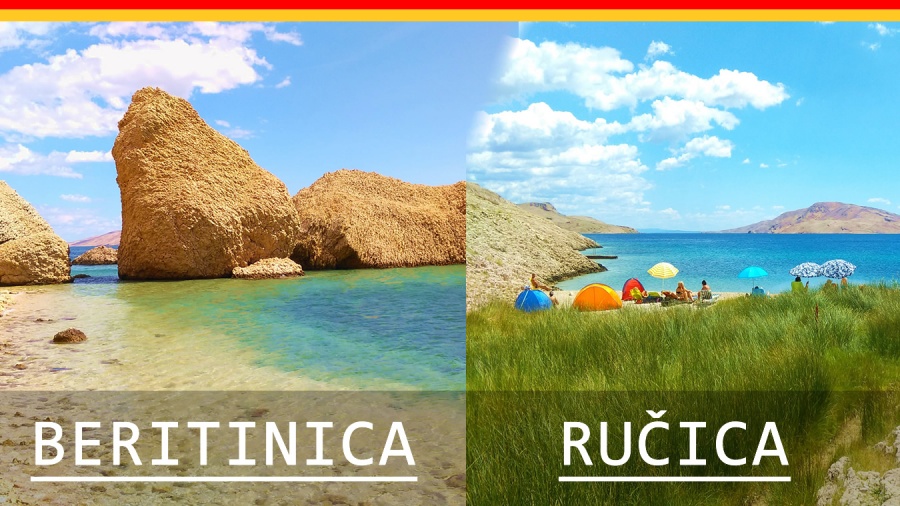
Finally, let us present the Dubrovnik beaches. We will not mention all of them, only the best and most visited ones.
Dubrovnik abounds in wonderful beaches, and it would be best for you to visit them yourself and convince yourself of their beauty. We will nevertheless present some of them.
Here we will describe the most visited Dubrovnik beaches. If you have decided to book accommodation in Dubrovnik and would also like to go for a swim, be sure to visit these beaches.
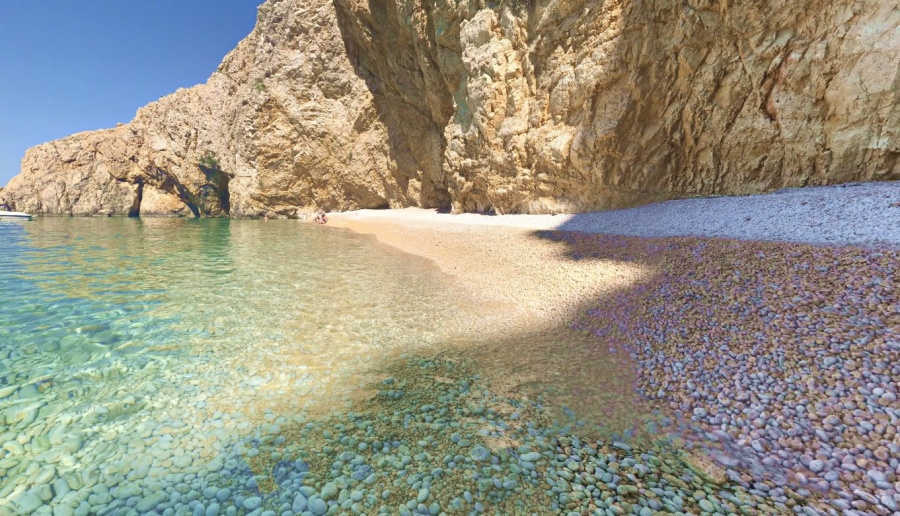
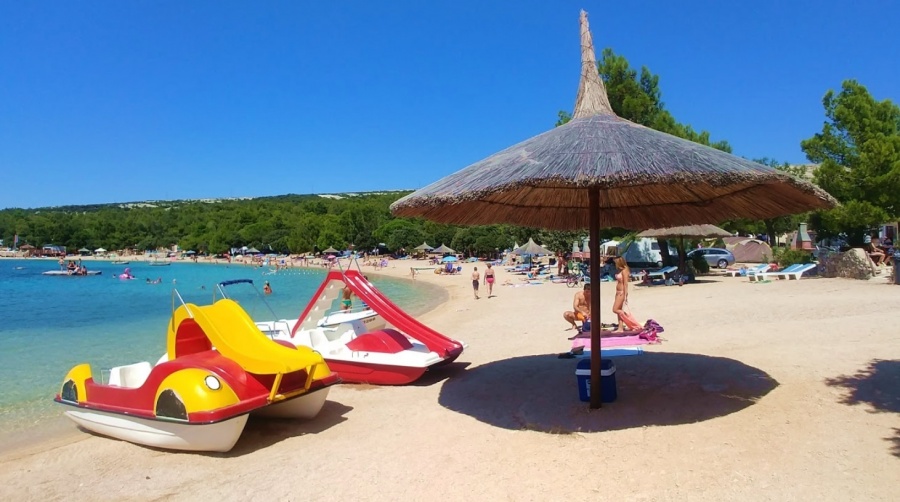
The most famous Dubrovnik beach is certainly Banje Beach. Besides the clean sea that washes over the pebbles, the guests of this beach have a wonderful view of the city walls and the old town core. Banje Beach was declared one of the best beaches in the world in 2007. It is always full, especially because of its rich facilities. To make the enjoyment of the beach complete, rent sunbeds and an umbrella. There are also pedal boats which you can rent and set off as far as the nearby island of Lokrum.
The second beach we want to present is Buža Beach. You reach this beach by passing through a small stone gate. It is situated on the rocks of the walls, which the blue sea beats against. It is not recommended for parents with small children. The sea is very deep, but that is precisely why it is ideal for people who love swimming and are not afraid of depths.
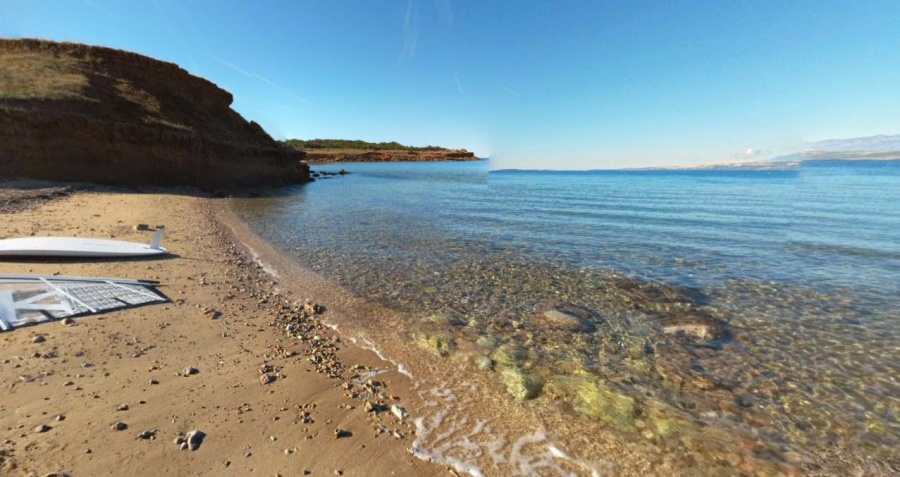
On a small island in front of Dubrovnik there is also a third beach that we want to describe. It is a romantic beach, one kilometre long, located on the island of Lokrum. Šunj Beach is ideal for couples and families with children. It is made of fine sand and has a gentle entry into the sea.
True lovers of active holidays, and those eager for adventure, will have a great time in Dubrovnik. The people of Dubrovnik have prepared a large selection of recreational activities for their guests.
Kayak adventures are a special experience, especially if you take a tour towards the island of Lokrum. From the kayaks you can also explore the Betina Cave and enjoy the view of the city walls from the sea side.
If you like walking, there will certainly be no problem. You have at your disposal almost 2 kilometres of path along the old city walls. You will hardly find such a well-arranged path anywhere else.
Lovers of the sea can try diving and get to know the underwater world of Dubrovnik with the help of numerous diving centres. The rich underwater world is a reason for many to come and dive beneath the surface of the deep waters of the Adriatic.
There are also many other activities, such as riding small ATVs, horse riding or cycling. In Prevlaka park you can try free climbing.
Although it is a matter of subjective impression, we have the courage to mention some restaurants in Dubrovnik.
As befits a city like Dubrovnik, the gastronomic offer is rich and varied. Numerous specialities will delight everyone's palate, and the tasty morsels will stay with you in memory for a long time.
The gastro offer of Dubrovnik restaurants is colourful and very rich. Numerous restaurants in the city itself will fill the air with the aromas of meat and fish specialities. If you get the chance, be sure to try the traditional Dubrovnik rozata.
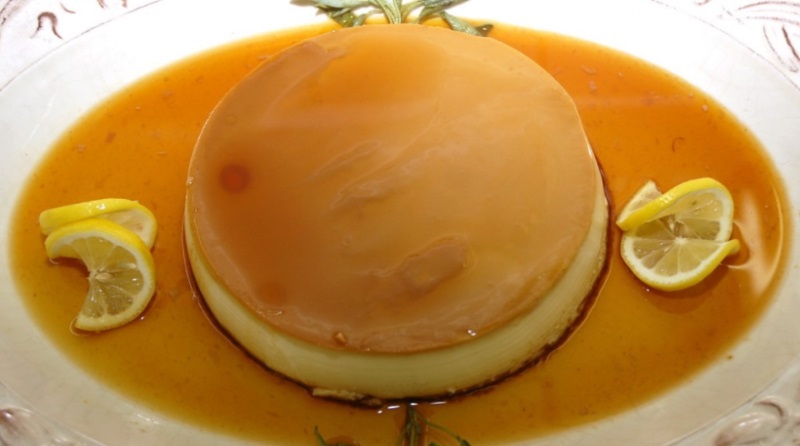 You can find Dubrovnik specialities in many restaurants, and they are certainly served at the Porto restaurant, the Nautika restaurant or Posat.
Finally, let us just add – If you are still missing some information, even after this longer text, we suggest you visit the official website of the Tourist Board of the City of Dubrovnik.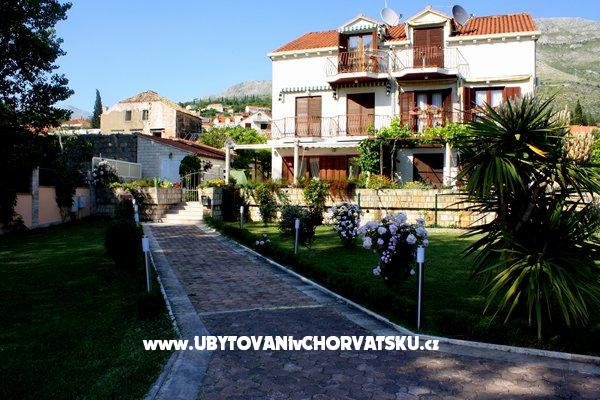 Apartments Barovic SrebrenoDubrovnikCapacity: 2-17 · To the sea: 200 mfrom 13 € per person / nightView offer
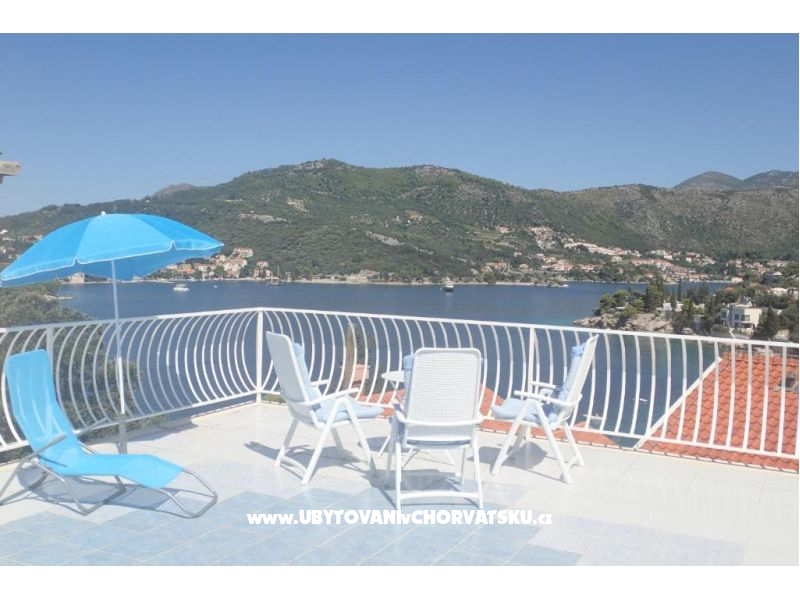 Villa AmicaDubrovnikCapacity: 2-7 · To the sea: 200 mView offer
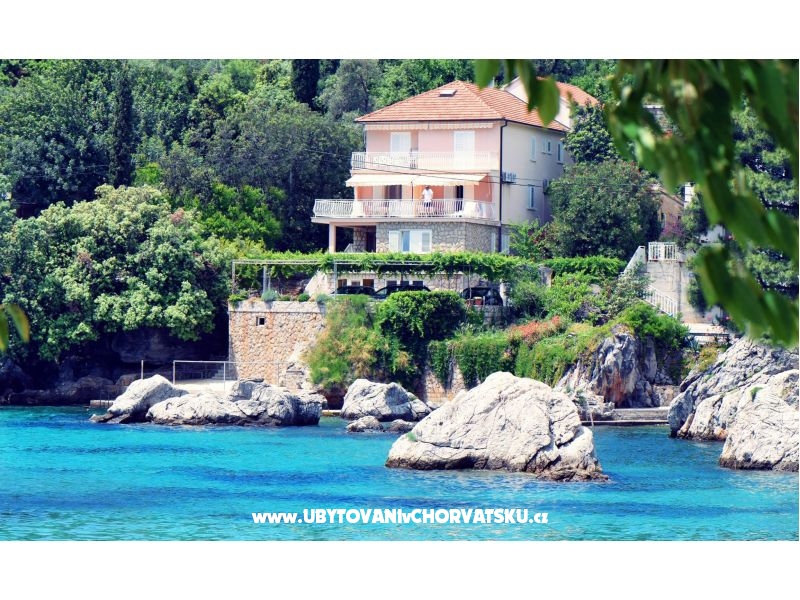 Villa Ana ApartmentsDubrovnikCapacity: 1-17 · To the sea: 5 mView offer
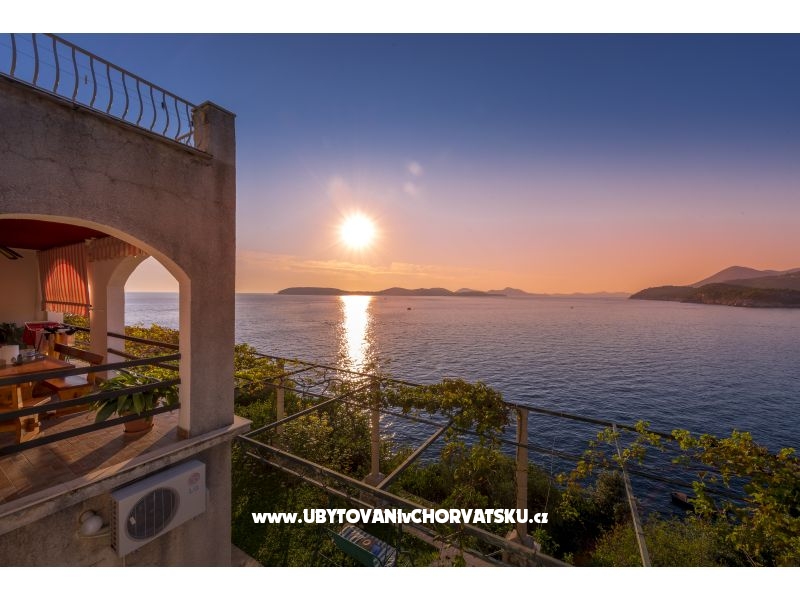 Apartmani DianaDubrovnikCapacity: 2-8 · To the sea: 25 mfrom 15 € per person / nightView offer
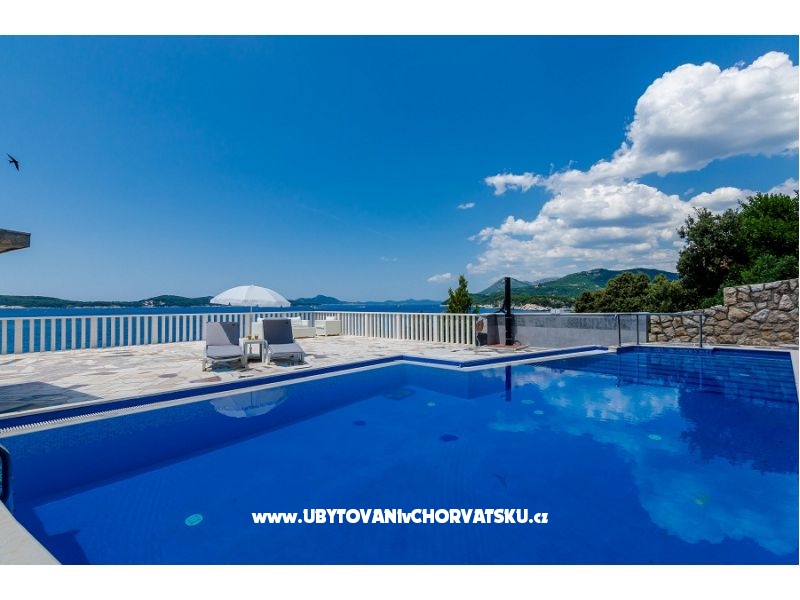 Sea apartments and Stone apartmentsDubrovnikTo the sea: 20 mfrom 20 € per person / nightView offer
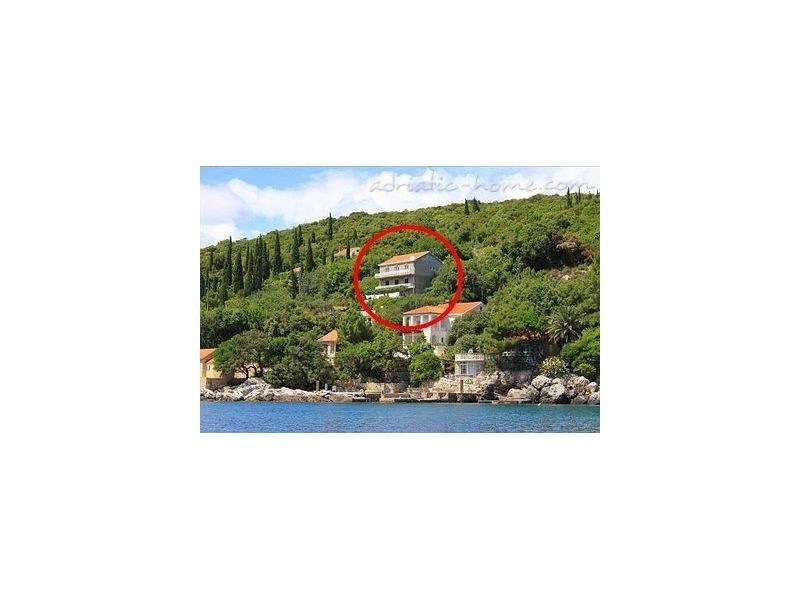 Apartmani AntunovićDubrovnikCapacity: 2-18 · To the sea: 50 mView offer
For years now the city of Dubrovnik has captured the attention of the whole world. It has become one of the most desirable cities to visit, which is no surprise given its beauty, rich history and the status it has had throughout the past.
The prosperity of Dubrovnik has been based on maritime trade since ancient times. Already in the Middle Ages it played a significant role in the transport of goods by sea, and at one point it was the only city-state on the eastern Adriatic coast that competed with the Republic of Venice. Through good diplomacy and the great wealth it possessed, Dubrovnik achieved an outstanding level of development. The city experienced a particular boom in the 15th and 16th centuries.The history of Dubrovnik and its sights
Since Dubrovnik is today an important tourist centre, it is only right that we describe the history of this city and mention the sights that stand out in it.
Dubrovnik was a well-protected city, and even today the old town core is dominated by high stone walls. The Dubrovnik City Walls are almost two kilometres long, and it is precisely because of them that this city enjoys the status it has today. Indeed, many consider it the most beautiful city on the Mediterranean. We must certainly mention the Lovrijenac fortress here - read a little about it, then come back to this interesting article.
The city is first mentioned in written documents in 850. The most significant detail of Dubrovnik's history is the fact that it was an independent republic after 1358, when Louis I confirmed to the Dubrovnik Republic all the attributes of statehood.
In 1377 the first quarantine in the world was established in Dubrovnik. All travellers arriving in this city from risky countries had to spend a certain time in quarantine until it was established that they were healthy.
The old citizens of Dubrovnik valued freedom most of all, which is still visible today in the inscription Libertas on the flag of the city of Dubrovnik. Thus as early as 1416 the Dubrovnik Republic was the first European state to pass a decree abolishing slavery and banning the transport of slaves by ship.
There are many more interesting historical facts about Dubrovnik. We can mention that in the 16th century Dubrovnik was a European maritime power. It had 40 thousand sailors and more than 180 large ships.
One of the more interesting facts is also that the Dubrovnik Republic was as far back as 1783 the first state to recognise the independence of the United States of America.
The old town, as it looks today, is set within the old, high defensive walls. This historic building is still very well preserved today, and it is a place that tourists want to see up close. A large number of tourists walk along the walls every year, and the view from them stretches far to the horizon, where the blue shades of the Adriatic merge with the sky blue.
The old part of the city can also best be seen from the walls. A walk along these stone paths will enchant every person, and the view of Dubrovnik, the islands and the sea will awaken feelings you did not even know existed.
However, if you decide to go for a walk, make sure to do it in the morning or late afternoon. Take enough water with you to refresh yourself. In strong sunshine a walk along the long city walls can be tiring.Besides the walls themselves, the historic core of Dubrovnik was protected by towers on every side. On the northern side of the walls stands the round Minčeta Tower. It was built in the 15th century, and the well-known builder Juraj Dalmatinac took part in its construction. There is also the Fort of St. John, which guarded the entrance to the Dubrovnik harbour. On the eastern side of the walls, in the 15th century, the Revelin Fort was built, which protected the city from a possible Turkish breakthrough.
There is still a great deal to see in Dubrovnik. We have neither the time nor the room in this post to write about every detail. Even when you visit Dubrovnik, you will not manage to see everything in one visit. A city of such rich history should be toured several times, so that you at least get to know it a little.
The wide main street Stradun runs through the centre of the city. Today it is the lifeblood of the city and the place where people mainly gather, the promenade of the citizens of Dubrovnik and their guests.
Stradun in Dubrovnik
Stradun is a kind of symbol of the city, so it is only right that we set aside a few lines to describe it. Numerous events take place in the old town core, and entertainers, artists and craftsmen entertain visitors every day and try to show the appearance of the city in bygone times. If you walk along Stradun, you will be able to see almost everything. A stroll along the main street of Dubrovnik is a special experience. This is the best way to experience the city and its dynamism. Narrow little streets, stone houses and the crowds of passers-by are special details that adorn this part of the city.
Nearby Stradun is also the well-known Large Onofrio's Fountain. It was built in 1400 and has been well preserved up to the present day. On hot summer days the water from this fountain will still quench your thirst and cool you down from the strong sun. On Stradun there is also the oldest preserved sculpture in the city - Orlando's Column.There are still many historical curiosities in this city, but we do not have room to describe each of them separately. Visiting Dubrovnik is the best way to get to know it. Once you come to this city it will be hard to leave. The wish to return and make new discoveries will smoulder within you until the next opportunity to come back.
Just briefly, let us mention the Sponza Palace, the City Bell Tower, the Rector's Palace and many other buildings built at a time when Dubrovnik was the centre of the world. Perhaps we are exaggerating a little, but not by much. Think about it...
The most important religious holiday in Dubrovnik – Feast of St. Blaise
Every year on the same date – 3 February – the most important religious holiday in Dubrovnik, the Feast of St. Blaise, is celebrated. The importance of this celebration is best shown by the fact that in the past it was customary for any convict or offender to be able to come freely into the city two days before and two days after the Feast, without anyone being able to call them to account.
How did tourism come to Dubrovnik?
Throughout its history Dubrovnik was a city of trade, crafts and seafaring. The main branches of the economy were for centuries the development mainstay of the city and the surrounding places, but in more recent times the city increasingly and better lives off tourism.
In the past it was significant in trade in mining, agricultural and livestock products, manufactured goods, salt and similar goods, which it still is today. Still, times change, and so does the city of Dubrovnik itself.
Although it can still boast a significant share in trade, passenger transport and other similar activities, Dubrovnik earns a large part of its income from tourism.
The city has literally transformed. It had, of course, a very good foundation, because the walls that once protected the city from attack are today a valuable tourist attraction. Well-preserved monuments, city fortresses and old houses attract large numbers of people from all over the world.
Today Dubrovnik is reaping the fruits of its history, in a modern and very interesting way.
Learn just a few curiosities about Dubrovnik
Few people are aware of this fact, but there are records which say that the Anglo-Norman king Richard I the Lionheart came to Dubrovnik in the autumn of 1192 after returning from the Crusade. There he found shelter from a storm that arose during his voyage by ship.
One of the first medieval sewage systems was built in the Dubrovnik Republic. That was as far back as 1296, and some parts of that system are still in use today.
The pharmacy in the Franciscan monastery in Dubrovnik is one of the oldest in Europe. More precisely, the pharmacy opened as far back as 1317 and has been operating continuously to this day. It is the third oldest in Europe.
One curiosity of which the citizens of Dubrovnik are especially proud. Namely, Dubrovnik issued a decree abolishing slavery and banning the transport of slaves on 27 January 1416. It was the first ban on slavery in Europe.
Many people do not know this either, and it is very interesting. Dubrovnik has one of the shortest rivers in the world. Namely, the Ombla river has a watercourse only 30 metres long.Pope John Paul II visited Dubrovnik on 6 June 2003. He rode along Stradun in the popemobile, and in the Gruž harbour he celebrated Mass before 60,000 pilgrims, during which he beatified Marija Petković.
Discover the Dubrovnik Summer Festival
This event is special and has been held since 1949. The Dubrovnik Summer Festival runs from 10 July to 25 August, with a special selection of works by Marin Držić, Ivan Gundulić, Ivo Vojnović, William Shakespeare, Carlo Goldoni, Greek tragedians and others. The festival is also accompanied by a music programme in which the best domestic composers, soloists and orchestras perform.
Finally, let us present the Dubrovnik beaches. We will not mention all of them, only the best and most visited ones.
These are the 3 best beaches in Dubrovnik
Dubrovnik abounds in wonderful beaches, and it would be best for you to visit them yourself and convince yourself of their beauty. We will nevertheless present some of them.
Here we will describe the most visited Dubrovnik beaches. If you have decided to book accommodation in Dubrovnik and would also like to go for a swim, be sure to visit these beaches.
The most famous Dubrovnik beach is certainly Banje Beach. Besides the clean sea that washes over the pebbles, the guests of this beach have a wonderful view of the city walls and the old town core. Banje Beach was declared one of the best beaches in the world in 2007. It is always full, especially because of its rich facilities. To make the enjoyment of the beach complete, rent sunbeds and an umbrella. There are also pedal boats which you can rent and set off as far as the nearby island of Lokrum.
The second beach we want to present is Buža Beach. You reach this beach by passing through a small stone gate. It is situated on the rocks of the walls, which the blue sea beats against. It is not recommended for parents with small children. The sea is very deep, but that is precisely why it is ideal for people who love swimming and are not afraid of depths.
On a small island in front of Dubrovnik there is also a third beach that we want to describe. It is a romantic beach, one kilometre long, located on the island of Lokrum. Šunj Beach is ideal for couples and families with children. It is made of fine sand and has a gentle entry into the sea.
The offer in Dubrovnik – For nature lovers and adventurers
True lovers of active holidays, and those eager for adventure, will have a great time in Dubrovnik. The people of Dubrovnik have prepared a large selection of recreational activities for their guests.
Kayak adventures are a special experience, especially if you take a tour towards the island of Lokrum. From the kayaks you can also explore the Betina Cave and enjoy the view of the city walls from the sea side.
If you like walking, there will certainly be no problem. You have at your disposal almost 2 kilometres of path along the old city walls. You will hardly find such a well-arranged path anywhere else.
Lovers of the sea can try diving and get to know the underwater world of Dubrovnik with the help of numerous diving centres. The rich underwater world is a reason for many to come and dive beneath the surface of the deep waters of the Adriatic.
There are also many other activities, such as riding small ATVs, horse riding or cycling. In Prevlaka park you can try free climbing.
The best restaurants in Dubrovnik
Although it is a matter of subjective impression, we have the courage to mention some restaurants in Dubrovnik.
As befits a city like Dubrovnik, the gastronomic offer is rich and varied. Numerous specialities will delight everyone's palate, and the tasty morsels will stay with you in memory for a long time.
The gastro offer of Dubrovnik restaurants is colourful and very rich. Numerous restaurants in the city itself will fill the air with the aromas of meat and fish specialities. If you get the chance, be sure to try the traditional Dubrovnik rozata.
You can find Dubrovnik specialities in many restaurants, and they are certainly served at the Porto restaurant, the Nautika restaurant or Posat.Finally, let us just add – If you are still missing some information, even after this longer text, we suggest you visit the official website of the Tourist Board of the City of Dubrovnik.
Private accommodation in Dubrovnik – directly from the owners
All accommodation in Dubrovnik →Apartments Barovic SrebrenoDubrovnikCapacity: 2-17 · To the sea: 200 mfrom 13 € per person / nightView offerVilla AmicaDubrovnikCapacity: 2-7 · To the sea: 200 mView offerVilla Ana ApartmentsDubrovnikCapacity: 1-17 · To the sea: 5 mView offerApartmani DianaDubrovnikCapacity: 2-8 · To the sea: 25 mfrom 15 € per person / nightView offerSea apartments and Stone apartmentsDubrovnikTo the sea: 20 mfrom 20 € per person / nightView offerApartmani AntunovićDubrovnikCapacity: 2-18 · To the sea: 50 mView offerFollow us on Facebook for more articles about Croatia. Share this article using the buttons on the right. Thank you!
Accommodation nearby
Directly from the owners, no commission
Upgrade this article
Bio si na ovom mjestu? Podijeli s nama svoja iskustva ili fotografije.
Napiši svoju verziju članka. Nagrađujemo vlasnike apartmana.