
Zadar is certainly among the better-known and more beautiful cities on the Adriatic. It is a Croatian city of exceptionally rich history and cultural heritage. It is the centre of Zadar County and a transport hub in this part of the Republic of Croatia.
Besides the urban area, Zadar also comprises the urban settlements of Babindub, Brgulje, Crno, Ist, Kožino, Mali Iž, Molat, Olib, Petrčane, Premuda, Rava, Silba, Veli Iž and Zapuntel.
The city has played a significant historical role in almost all the events that affected Croatia. For this reason, Zadar today has many sights, some of which date back to ancient times. The museums are rich in exhibits of tools, weapons and stone inscriptions. History lovers have plenty to see in Zadar.
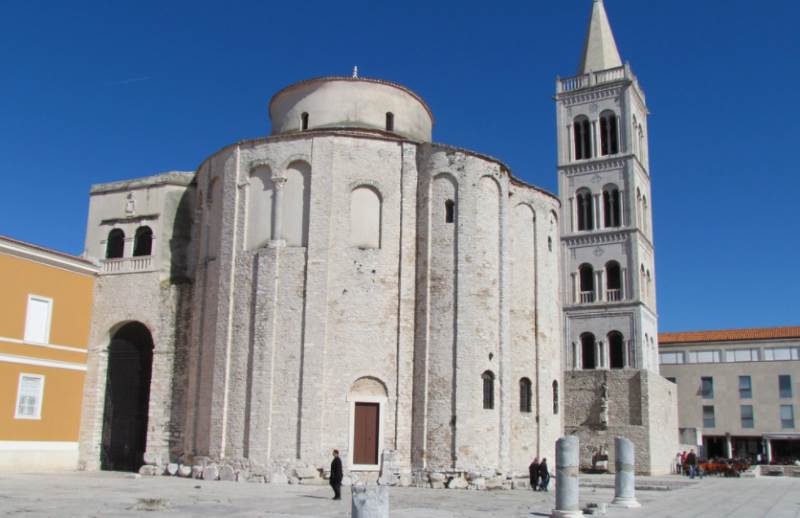
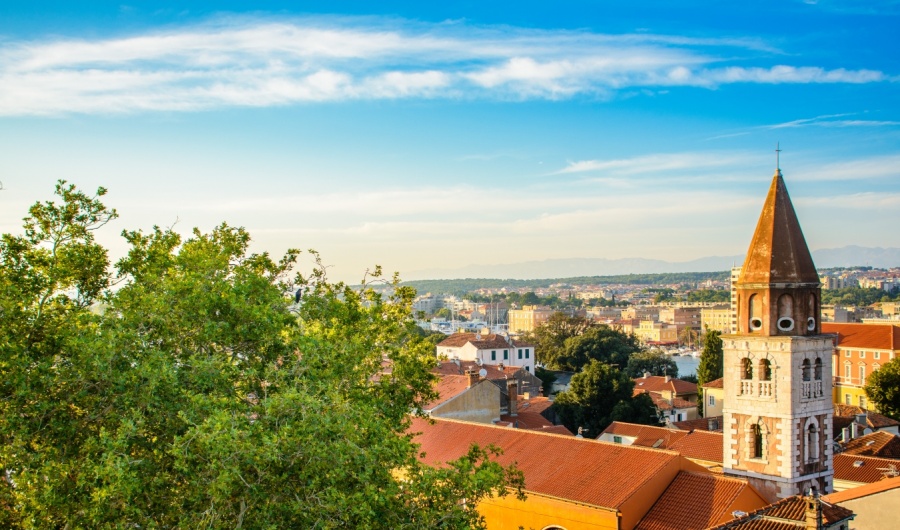
If we write about the sights in Zadar, more precisely about the built structures that describe a certain historical period, then we must certainly mention the Church of St. Donatus.
The Church of St. Donatus dates back to the 9th century and was built on the remains of a Roman forum. Today the silhouette of this church is the symbol of the city and the recognisable outline of its rich history and culture. The Church of St. Donatus is also the most famous monumental building in Croatia from the early Middle Ages.
It was built according to the standards of early Byzantine architecture in the early Middle Ages. It is assumed that the church was built in the first part of the 9th century.
It is circular in shape, but that is not the original form of this building. Its southern annex is missing, so the circular core is visible. Until the 15th century it was called the Church of the Holy Trinity, and since then it has borne the name of St. Donatus, after the bishop who had it built. The church is first mentioned in the mid-10th century in the writings of the Byzantine emperor Constantine Porphyrogenitus.
Because of its very good acoustic qualities, significant music programmes are held in this church today. Among the best known is certainly "Evening Concerts in St. Donatus".
 Besides the Church of St. Donatus, in Zadar you have the opportunity to see a large number of other buildings. The city walls are excellently preserved, as is the well-known bridge that connects the new part of the city with the Zadar waterfront. We will not describe each of them separately, as we do not believe the text would fit into a single post. It would be best for you to come and experience the historical truths of the city first-hand.
A city of rich history also has plenty to offer culturally. Many events grace Zadar not only in the summer months but throughout the whole year.
If you come to this beautiful city, be sure to see one of the many events in the town.
Zadar abounds in diverse events, so we will mention the Evening Concerts in St. Donatus, the Zadar Cultural Forum, Zadar of Dreams – International Festival of New Theatre and Performing Arts, the Zadar Summer Theatre, Film Forum Zadar, and many others.
Besides the buildings that give the city its character, Zadar has recently acquired world-renowned cultural and technological exhibits.
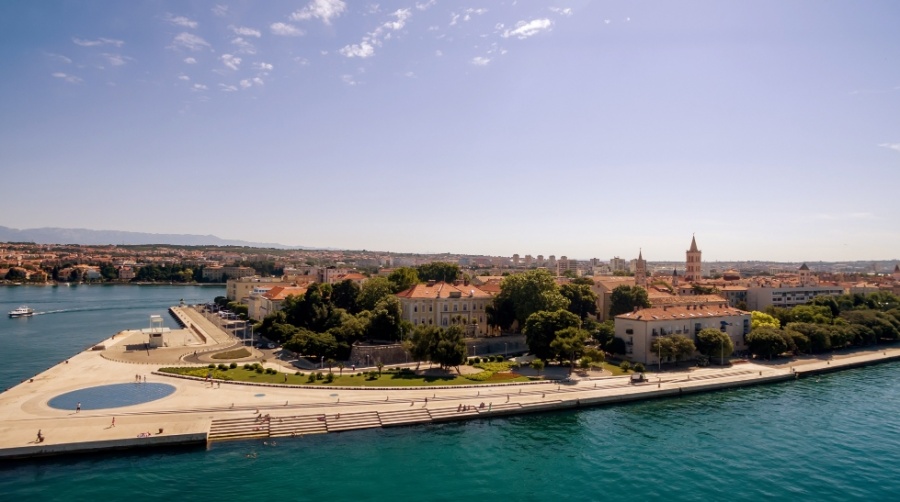
Hardly anyone today has not heard of the Zadar Sea Organ. The Sea Organ is located on the western part of the Zadar waterfront. It has become recognisable for its cascading coastal profile, which encourages a change of pace along the shore, lingering and descending down to the sea.
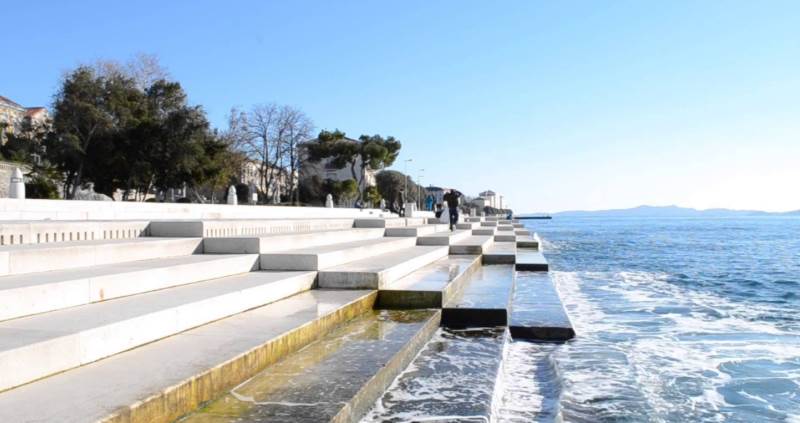 Today it is a special tourist attraction and a meeting place for guests who visit Zadar.
Stone steps stretch along some seventy metres of coastline. It is a place where guests enjoy the music produced by the waves, where you can take an excellent holiday photograph, and simply a place from which there is an enchanting view of the sea and the ferries passing by.
The instrument built into the Zadar organ has seven clusters of five selected tones derived from the matrix of Dalmatian klapa singing. Just as the energy of the sea is unpredictable in its endless changes of tide, ebb, size, force and direction, so the eternal concert of the Sea Organ is unrepeatable in its countless musical variations. This means that the composer of the music is nature itself.
Nature's orchestra today delights a large number of people who stroll along the waterfront. Anyone who visits the Zadar waterfront will stop at least for a moment and admire the tones produced by the waves in cooperation with the instrument under the large white stone slabs. The attraction is worth admiring, so we invite you to come and listen live to one evening's song.
Besides the Sea Organ, the Zadar waterfront is rich in one more modern addition. Zadar is a city that is not afraid of the modern and that skilfully creates a symbiosis of two worlds – the historical and the modern. Alongside the world-famous Sea Organ, the Greeting to the Sun has also lit up in this city.
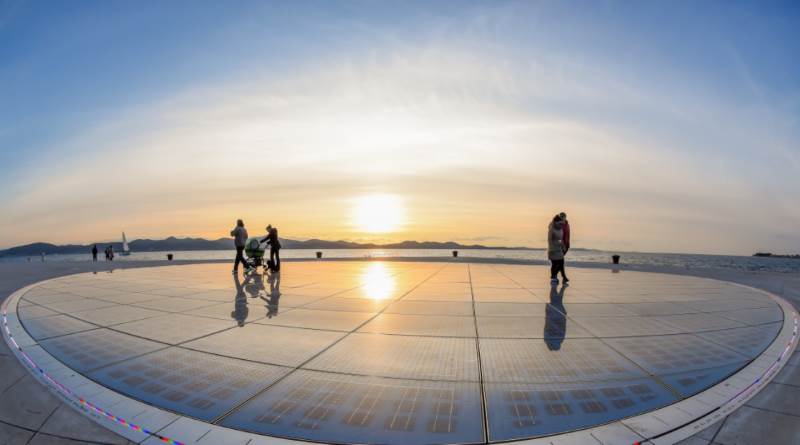 The Greeting to the Sun consists of three hundred multilayered glass panels set at the same level as the stone paving of the waterfront. The panels are made in the form of a circle 22 metres in diameter. Beneath the glass transmitting panels are solar modules through which symbolic communication with nature is achieved. All of this is designed with the aim, as with the Sea Organ, of establishing communication with the natural rhythm.
At sunset the lighting elements built into the circle switch on, creating effects that capture the attention of everyone on the waterfront.
In cooperation with Professor Maksim Klarin of the Zadar Maritime School, the Zadar saints have been inscribed in the ring around the Greeting to the Sun. Each of the saints had, or still has, his or her own story in Zadar. Next to each of their names and feast days is inscribed the declination, the height of the sun and the duration of sunlight on that feast day at that spot on the waterfront. In this interesting way the link between Zadar and the Calendar of St. Krševan is highlighted; the calendar made a great contribution to the marking of time and to astronomical navigation in its very beginnings.
This interesting installation on the Zadar waterfront is linked to the Sea Organ, whose sound is transposed into a play of light that gives this place a phenomenal atmosphere in the evening hours, when the sun sets.
In this way the Sea Organ and the Greeting to the Sun have greatly contributed to the attraction of the Zadar waterfront, both in Croatia and throughout the whole world.
The Zadar waterfront is a wonderful place in itself, and the Sea Organ and the Greeting to the Sun are just the icing on the cake. The waterfront is an excellent place for walks by the sea and for enjoying the lush vegetation, especially the magnificent palm trees.
If you decide to walk along this landscaped part of the Zadar coast, you will have a magnificent view of the beauties of the Zadar Channel, the islands of Ugljan and Pašman and the open sea to the north-west. The waterfront is a place of meeting, a promenade and a unique place to experience the most beautiful sunset in the world.
The beginnings of our waterfront date back to 1868, when by decree of Emperor Franz Joseph I Zadar ceased to be a fortress town, which soon affected its urban development. A few years later, more precisely in 1874, the city walls were demolished and the town began to open towards the sea. After that, numerous public and private buildings were built, making Zadar a city of richly furnished shops and public spaces. Luxury cafés, hotels, but also a public library and reading room, began to be built. On the then still fairly new Zadar waterfront, magnificent palaces, a harbour for ships and promenades serving citizens for socialising and gathering were built. During the bombing in the Second World War, unfortunately, most of these buildings were damaged or completely destroyed. In the last post-war reconstruction, most of the buildings were replaced by landscaping.
Close to the town itself lie the Paklenica National Park and the Northern Velebit National Park. This is an ideal opportunity to enjoy the natural beauty surrounding the city of Zadar.
Paklenica National Park is an area of distinctive canyons of Velika and Mala Paklenica. It is adorned by the vertically cut slopes of Velebit, enriched with a great variety of rocky "sculptures" created by nature. The rocky outlines are interrupted by wooded valleys and mountain meadows. The park is rich in life and diversity. A tour of the park will be welcome to everyone, and we are confident that every guest will enjoy the beautiful natural tones, sounds and colours that contrast the animal and plant world.
Paklenica is a far-famed centre for many climbers. The starting point for climbing the vertical rock faces is located right at the entrance to the Velika Paklenica canyon. At this point the rock faces rise to as much as 400 metres. From this point you can set off in 400 different directions, of various difficulty and length, and the climbing season in Paklenica lasts from early spring to late autumn.
Those of a calmer spirit will enjoy walks in this park. For long walks there are mountain trails with a total length of over 150 kilometres.
Another natural landscape graces the Zadar area: Lake Vransko, the largest freshwater lake in Croatia. The lake is also an ornithological reserve in which almost 110 bird species nest and over 230 species visit. Besides the above, the shores of the lake are visited by a large number of anglers, and it is well known that the largest specimens in Croatia are caught in this very lake.
Inscribed on the UNESCO list of protected biosphere reserves, and extending with its natural boundary into several counties in Croatia. In the Zadar area it has the distinctive beauty of the Tulove grede ridges, from which the Italian mainland can be seen on clear days. We should also mention the underground beauty of the Cerovac Caves and the Zrmanja River, which is the first choice for rafting.
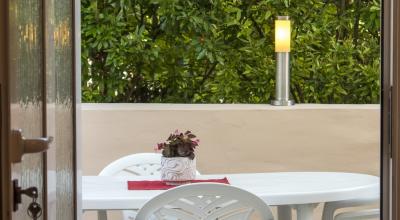
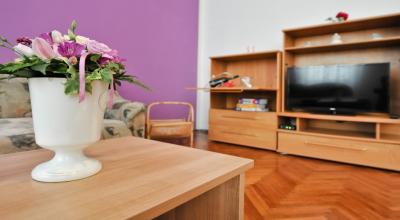
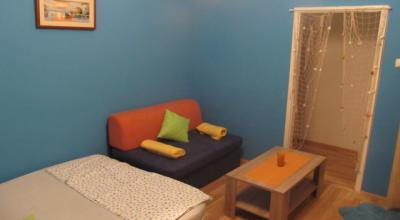
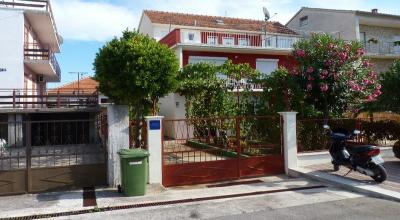
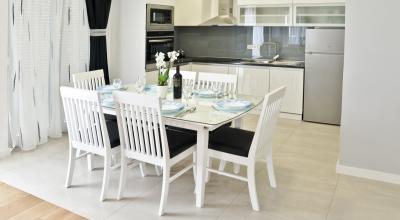
If we have intrigued you and you want to come to Zadar, be sure to book in good time. The number of accommodation places is large, but with the arrival of the season every bed is already taken. Besides the luxury hotels, Zadar also has a large number of private accommodation. If you want to book an apartment, be sure to look at the apartment offer in Zadar. Do so before the bathing season opens. In this way you secure your accommodation and enjoyment of this beautiful city in the period that suits you best.
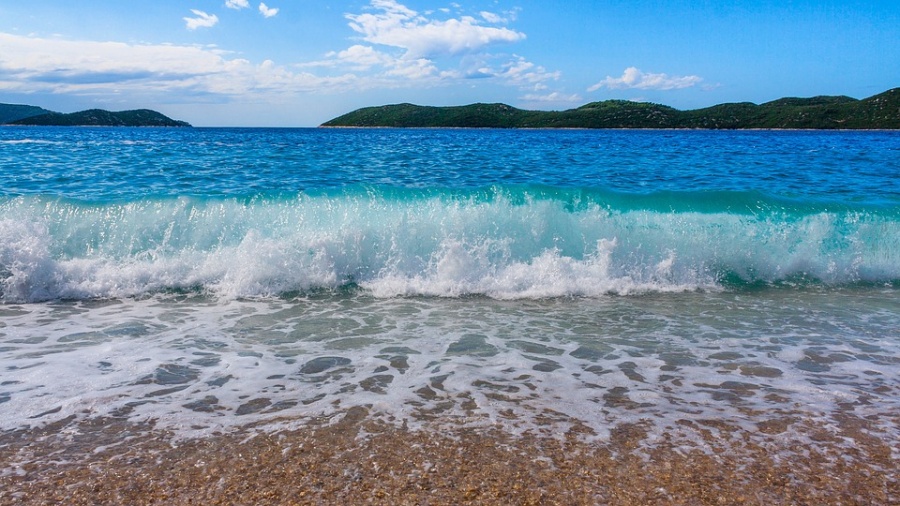
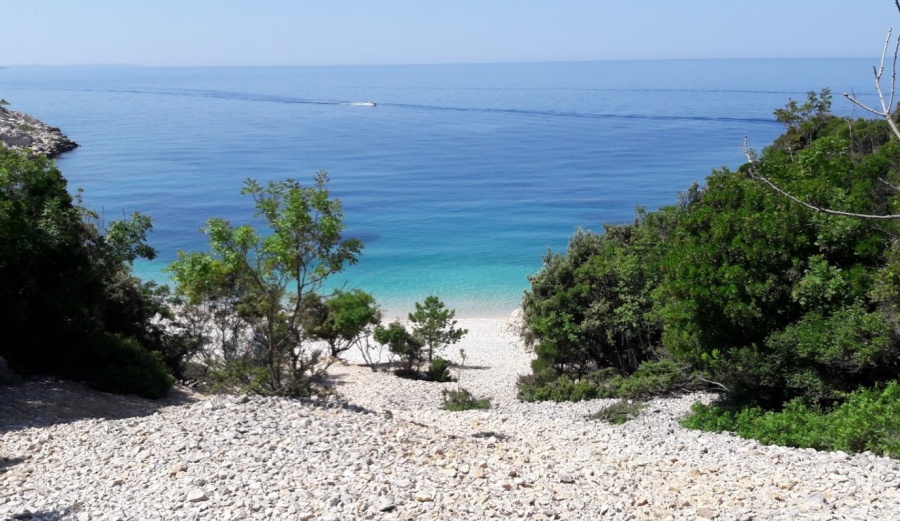
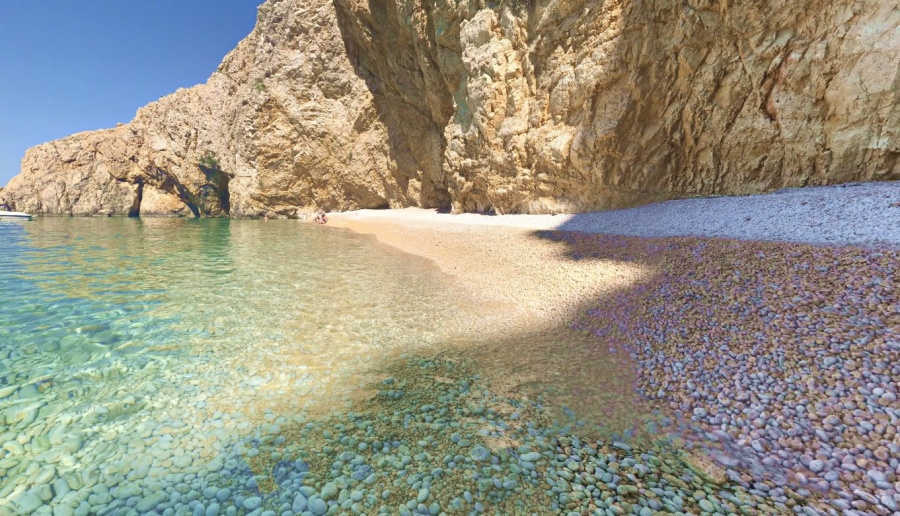
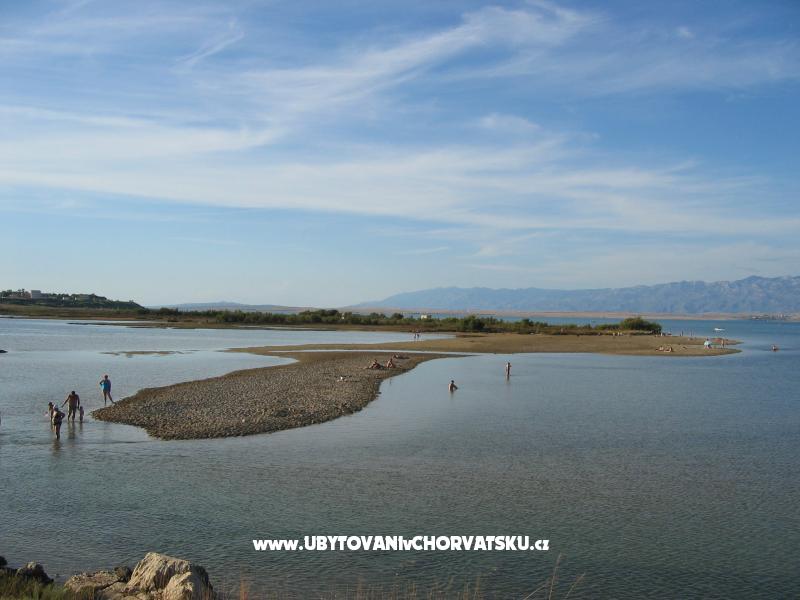
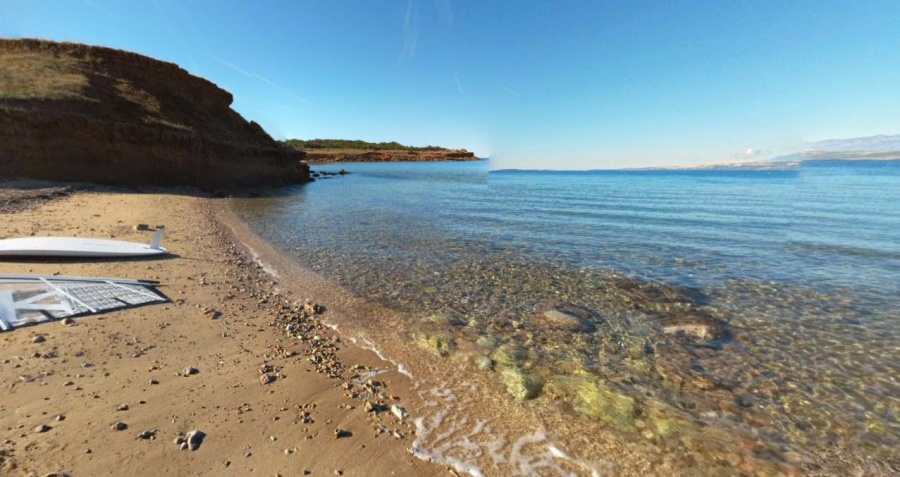
Besides everything mentioned above, it is worth highlighting in conclusion the large number of beautiful beaches in the Zadar area, as well as the clean and pleasantly warm sea. The nearby islands are another item on offer in this town and its surroundings. We hope you will come to us and have a good time. Apartmani Anđelo-ZadarZadarCapacity: 2-33 · To the sea: 2 kmfrom 10 € per person / nightView offer
 Apartmány BiskupZadarCapacity: 2-18 · To the sea: 250 mfrom 9 € per person / nightView offer
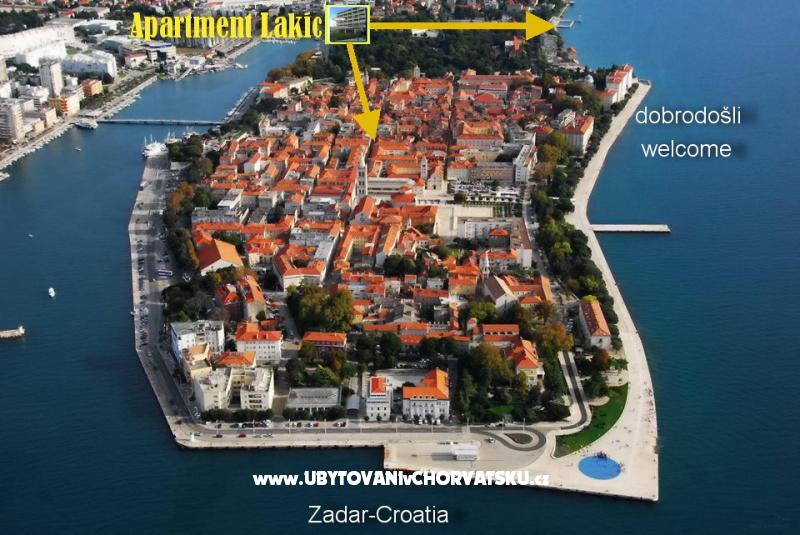 Apartman LakicZadarCapacity: 1-5 · To the sea: 50 mView offer
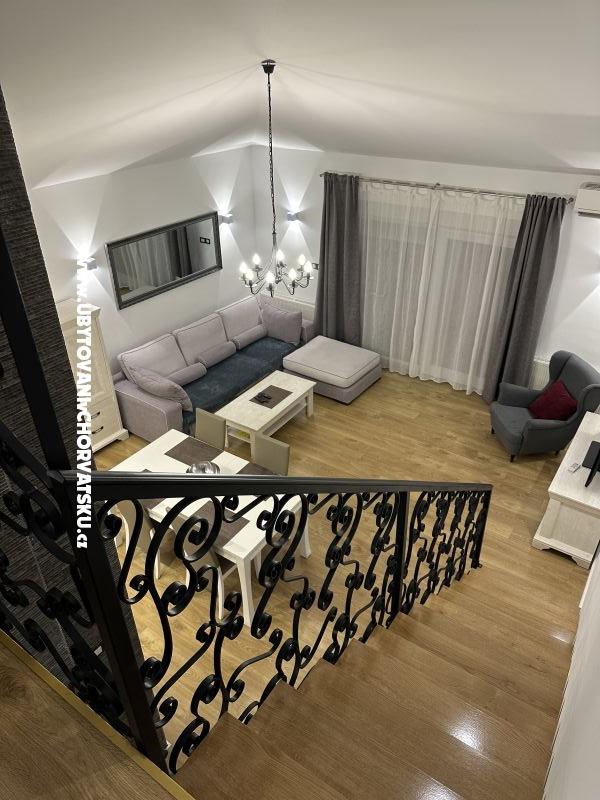 Luxury Residence ZolaZadarCapacity: 2-24 · To the sea: 70 mView offer
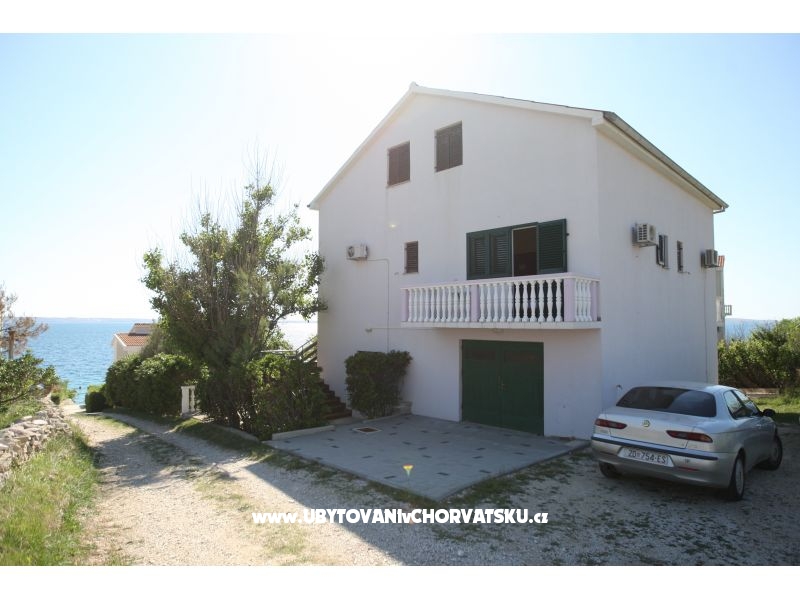 Apartman KarlaZadarCapacity: 11 · To the sea: 20 mView offer
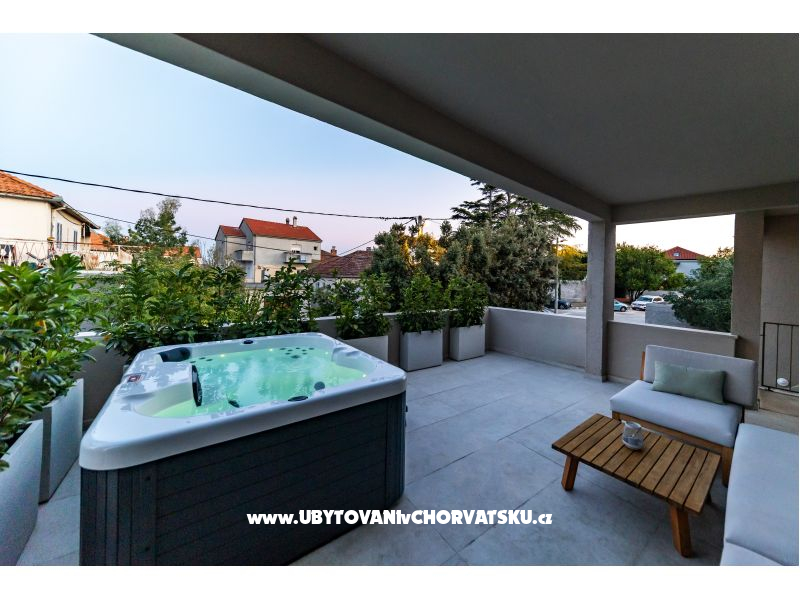 Furia PuntamikaZadarCapacity: 3-4 · To the sea: 100 mView offer
The city has played a significant historical role in almost all the events that affected Croatia. For this reason, Zadar today has many sights, some of which date back to ancient times. The museums are rich in exhibits of tools, weapons and stone inscriptions. History lovers have plenty to see in Zadar.
Beaches in Zadar
Monuments and sights of Zadar
If we write about the sights in Zadar, more precisely about the built structures that describe a certain historical period, then we must certainly mention the Church of St. Donatus.
The Church of St. Donatus dates back to the 9th century and was built on the remains of a Roman forum. Today the silhouette of this church is the symbol of the city and the recognisable outline of its rich history and culture. The Church of St. Donatus is also the most famous monumental building in Croatia from the early Middle Ages.
It was built according to the standards of early Byzantine architecture in the early Middle Ages. It is assumed that the church was built in the first part of the 9th century.
It is circular in shape, but that is not the original form of this building. Its southern annex is missing, so the circular core is visible. Until the 15th century it was called the Church of the Holy Trinity, and since then it has borne the name of St. Donatus, after the bishop who had it built. The church is first mentioned in the mid-10th century in the writings of the Byzantine emperor Constantine Porphyrogenitus.
Because of its very good acoustic qualities, significant music programmes are held in this church today. Among the best known is certainly "Evening Concerts in St. Donatus".
Besides the Church of St. Donatus, in Zadar you have the opportunity to see a large number of other buildings. The city walls are excellently preserved, as is the well-known bridge that connects the new part of the city with the Zadar waterfront. We will not describe each of them separately, as we do not believe the text would fit into a single post. It would be best for you to come and experience the historical truths of the city first-hand.Cultural events in Zadar
A city of rich history also has plenty to offer culturally. Many events grace Zadar not only in the summer months but throughout the whole year.
If you come to this beautiful city, be sure to see one of the many events in the town.
Zadar abounds in diverse events, so we will mention the Evening Concerts in St. Donatus, the Zadar Cultural Forum, Zadar of Dreams – International Festival of New Theatre and Performing Arts, the Zadar Summer Theatre, Film Forum Zadar, and many others.
Best things to see in Zadar
Besides the buildings that give the city its character, Zadar has recently acquired world-renowned cultural and technological exhibits.
Sea Organ in Zadar
Hardly anyone today has not heard of the Zadar Sea Organ. The Sea Organ is located on the western part of the Zadar waterfront. It has become recognisable for its cascading coastal profile, which encourages a change of pace along the shore, lingering and descending down to the sea.
Today it is a special tourist attraction and a meeting place for guests who visit Zadar.Stone steps stretch along some seventy metres of coastline. It is a place where guests enjoy the music produced by the waves, where you can take an excellent holiday photograph, and simply a place from which there is an enchanting view of the sea and the ferries passing by.
The instrument built into the Zadar organ has seven clusters of five selected tones derived from the matrix of Dalmatian klapa singing. Just as the energy of the sea is unpredictable in its endless changes of tide, ebb, size, force and direction, so the eternal concert of the Sea Organ is unrepeatable in its countless musical variations. This means that the composer of the music is nature itself.
Nature's orchestra today delights a large number of people who stroll along the waterfront. Anyone who visits the Zadar waterfront will stop at least for a moment and admire the tones produced by the waves in cooperation with the instrument under the large white stone slabs. The attraction is worth admiring, so we invite you to come and listen live to one evening's song.
Greeting to the Sun on the Zadar waterfront
Besides the Sea Organ, the Zadar waterfront is rich in one more modern addition. Zadar is a city that is not afraid of the modern and that skilfully creates a symbiosis of two worlds – the historical and the modern. Alongside the world-famous Sea Organ, the Greeting to the Sun has also lit up in this city.
The Greeting to the Sun consists of three hundred multilayered glass panels set at the same level as the stone paving of the waterfront. The panels are made in the form of a circle 22 metres in diameter. Beneath the glass transmitting panels are solar modules through which symbolic communication with nature is achieved. All of this is designed with the aim, as with the Sea Organ, of establishing communication with the natural rhythm.At sunset the lighting elements built into the circle switch on, creating effects that capture the attention of everyone on the waterfront.
In cooperation with Professor Maksim Klarin of the Zadar Maritime School, the Zadar saints have been inscribed in the ring around the Greeting to the Sun. Each of the saints had, or still has, his or her own story in Zadar. Next to each of their names and feast days is inscribed the declination, the height of the sun and the duration of sunlight on that feast day at that spot on the waterfront. In this interesting way the link between Zadar and the Calendar of St. Krševan is highlighted; the calendar made a great contribution to the marking of time and to astronomical navigation in its very beginnings.
This interesting installation on the Zadar waterfront is linked to the Sea Organ, whose sound is transposed into a play of light that gives this place a phenomenal atmosphere in the evening hours, when the sun sets.
In this way the Sea Organ and the Greeting to the Sun have greatly contributed to the attraction of the Zadar waterfront, both in Croatia and throughout the whole world.
The Zadar waterfront is a wonderful place in itself, and the Sea Organ and the Greeting to the Sun are just the icing on the cake. The waterfront is an excellent place for walks by the sea and for enjoying the lush vegetation, especially the magnificent palm trees.
If you decide to walk along this landscaped part of the Zadar coast, you will have a magnificent view of the beauties of the Zadar Channel, the islands of Ugljan and Pašman and the open sea to the north-west. The waterfront is a place of meeting, a promenade and a unique place to experience the most beautiful sunset in the world.
The beginnings of our waterfront date back to 1868, when by decree of Emperor Franz Joseph I Zadar ceased to be a fortress town, which soon affected its urban development. A few years later, more precisely in 1874, the city walls were demolished and the town began to open towards the sea. After that, numerous public and private buildings were built, making Zadar a city of richly furnished shops and public spaces. Luxury cafés, hotels, but also a public library and reading room, began to be built. On the then still fairly new Zadar waterfront, magnificent palaces, a harbour for ships and promenades serving citizens for socialising and gathering were built. During the bombing in the Second World War, unfortunately, most of these buildings were damaged or completely destroyed. In the last post-war reconstruction, most of the buildings were replaced by landscaping.
What to visit near Zadar?
Close to the town itself lie the Paklenica National Park and the Northern Velebit National Park. This is an ideal opportunity to enjoy the natural beauty surrounding the city of Zadar.
Paklenica National Park is an area of distinctive canyons of Velika and Mala Paklenica. It is adorned by the vertically cut slopes of Velebit, enriched with a great variety of rocky "sculptures" created by nature. The rocky outlines are interrupted by wooded valleys and mountain meadows. The park is rich in life and diversity. A tour of the park will be welcome to everyone, and we are confident that every guest will enjoy the beautiful natural tones, sounds and colours that contrast the animal and plant world.
Paklenica is a far-famed centre for many climbers. The starting point for climbing the vertical rock faces is located right at the entrance to the Velika Paklenica canyon. At this point the rock faces rise to as much as 400 metres. From this point you can set off in 400 different directions, of various difficulty and length, and the climbing season in Paklenica lasts from early spring to late autumn.
Those of a calmer spirit will enjoy walks in this park. For long walks there are mountain trails with a total length of over 150 kilometres.
Near Zadar is also the Vransko Lake Nature Park
Another natural landscape graces the Zadar area: Lake Vransko, the largest freshwater lake in Croatia. The lake is also an ornithological reserve in which almost 110 bird species nest and over 230 species visit. Besides the above, the shores of the lake are visited by a large number of anglers, and it is well known that the largest specimens in Croatia are caught in this very lake.
Velebit Nature Park
Inscribed on the UNESCO list of protected biosphere reserves, and extending with its natural boundary into several counties in Croatia. In the Zadar area it has the distinctive beauty of the Tulove grede ridges, from which the Italian mainland can be seen on clear days. We should also mention the underground beauty of the Cerovac Caves and the Zrmanja River, which is the first choice for rafting.
Book in Zadar and enjoy the beauties we have described
If we have intrigued you and you want to come to Zadar, be sure to book in good time. The number of accommodation places is large, but with the arrival of the season every bed is already taken. Besides the luxury hotels, Zadar also has a large number of private accommodation. If you want to book an apartment, be sure to look at the apartment offer in Zadar. Do so before the bathing season opens. In this way you secure your accommodation and enjoyment of this beautiful city in the period that suits you best.
Besides everything mentioned above, it is worth highlighting in conclusion the large number of beautiful beaches in the Zadar area, as well as the clean and pleasantly warm sea. The nearby islands are another item on offer in this town and its surroundings. We hope you will come to us and have a good time.
Private accommodation in Zadar – directly from the owners
All accommodation in Zadar →Apartmani Anđelo-ZadarZadarCapacity: 2-33 · To the sea: 2 kmfrom 10 € per person / nightView offerApartmány BiskupZadarCapacity: 2-18 · To the sea: 250 mfrom 9 € per person / nightView offerApartman LakicZadarCapacity: 1-5 · To the sea: 50 mView offerLuxury Residence ZolaZadarCapacity: 2-24 · To the sea: 70 mView offerApartman KarlaZadarCapacity: 11 · To the sea: 20 mView offerFuria PuntamikaZadarCapacity: 3-4 · To the sea: 100 mView offerFollow us on Facebook for more articles about Croatia. Share this article using the buttons on the right. Thank you!
Accommodation nearby
Directly from the owners, no commission

Upgrade this article
Bio si na ovom mjestu? Podijeli s nama svoja iskustva ili fotografije.
Napiši svoju verziju članka. Nagrađujemo vlasnike apartmana.