
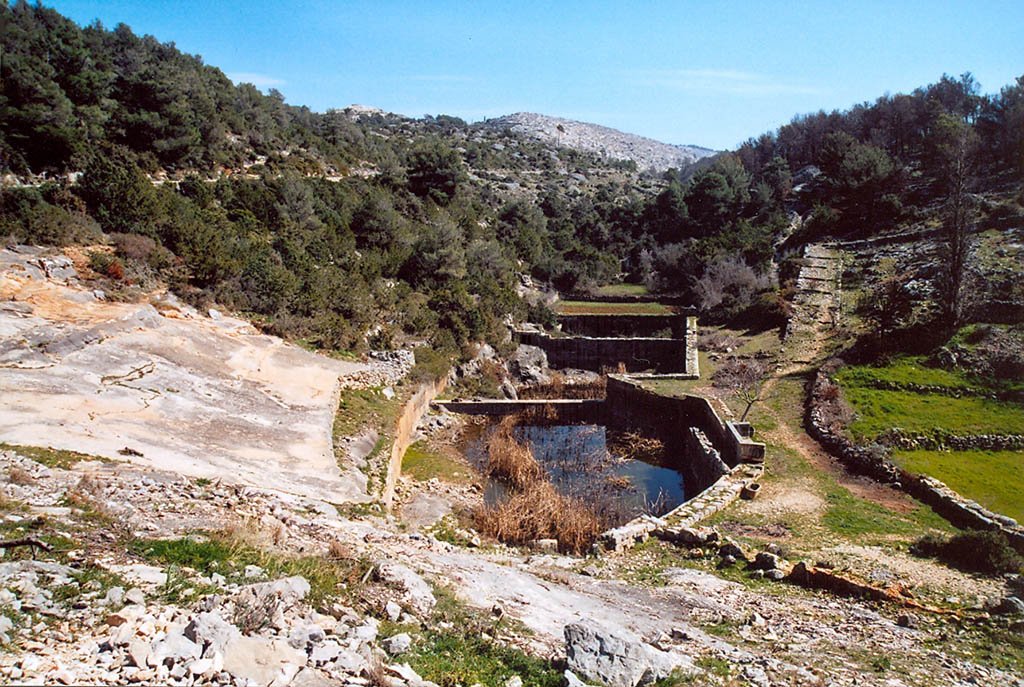
The Rat hillfort is located in the western part of the island of Brač, above the village of Ložišća in the municipality of Milna. Visitors value it as one of the best-preserved hillfort settlements on the central Dalmatian islands.
The first archaeological investigations were carried out in 1957 by the Archaeological Museum in Split, and systematic investigations began in 2007 as part of a scientific project of the Faculty of Humanities and Social Sciences in Split. Dwellings from the late Bronze Age were uncovered, built of interwoven branches plastered with clay. Among the locally made ceramic vessels were also found fragments of fine ware imported from the Greek and Italic world during the last millennium BC. The inhabitants had their access to the sea from the Vičja luka valley, where in 1908 Iron Age tombs of members of the higher social classes were found, with rich metal and ceramic finds.
The site is a protected cultural property, entered in the Register of Cultural Goods of the Republic of Croatia under the code Z-5891, in Split-Dalmatia County.
Photo: Unknown authorUnknown author, CC BY-SA 3.0 hr, Wikimedia Commons.
Data: Register of Cultural Goods of the Republic of Croatia (Ministry of Culture and Media), Open Licence; coordinates: Wikidata (CC0).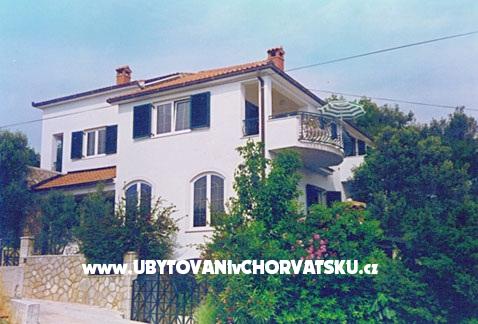 Villa MomusHvar - otokCapacity: 2-18 · To the sea: 70 mfrom 15 € per person / nightView offer
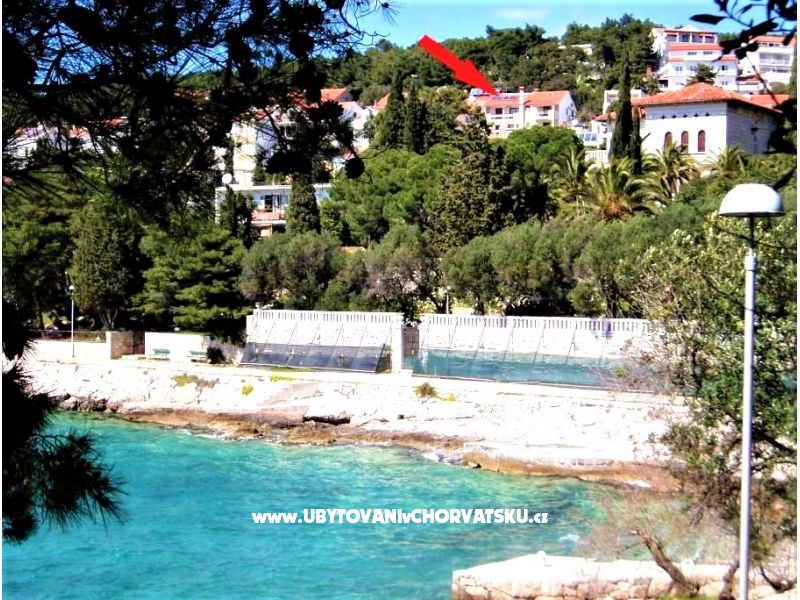 Apartments TamaraHvar - otokCapacity: 2-14 · To the sea: 150 mfrom 30 € per person / nightView offer
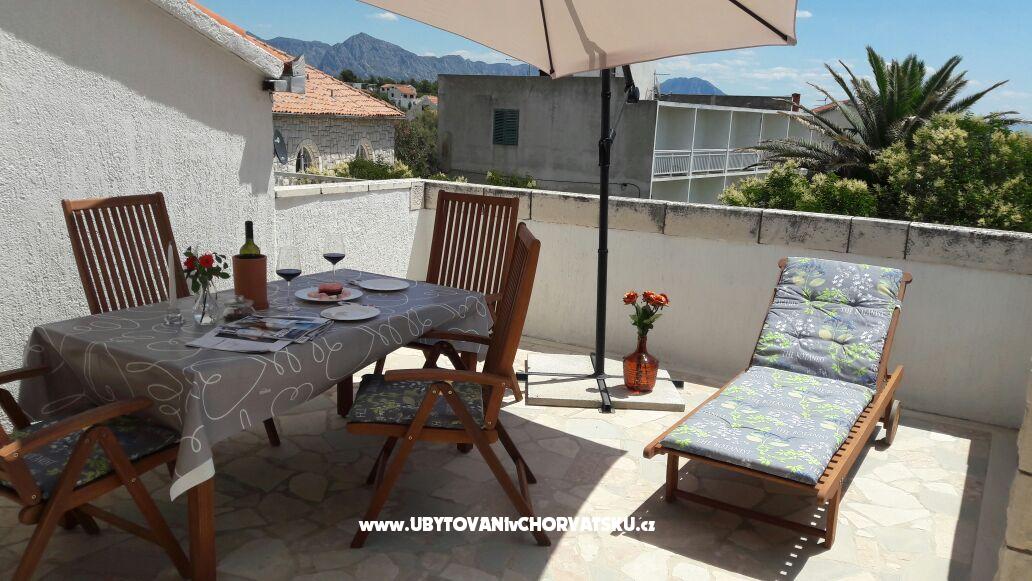 Apartmani Vini i IvanaHvar - otokCapacity: 2-12 · To the sea: 60 mfrom 10 € per person / nightView offer
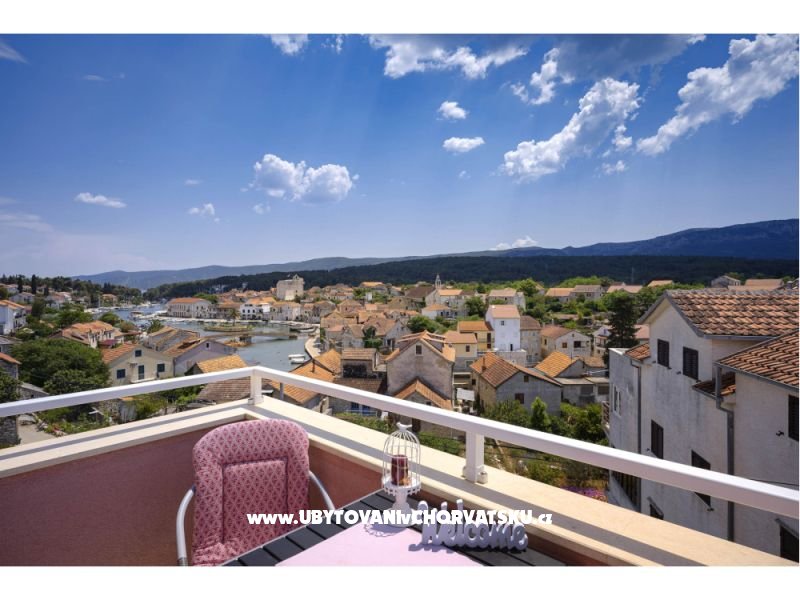 Apartmani EnaHvar - otokCapacity: 2-17 · To the sea: 50 mView offer
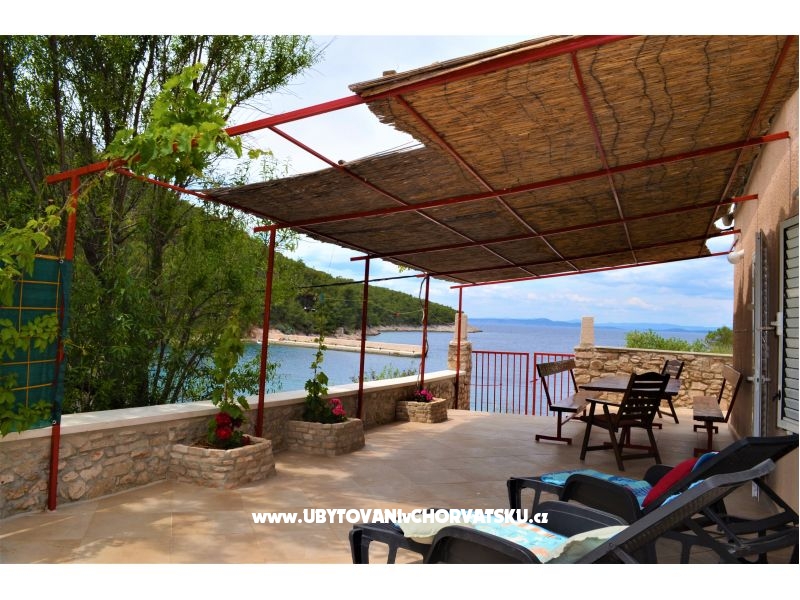 Kuća za odmor DanicaHvar - otokCapacity: 2-8 · To the sea: 20 mfrom 15 € per person / nightView offer
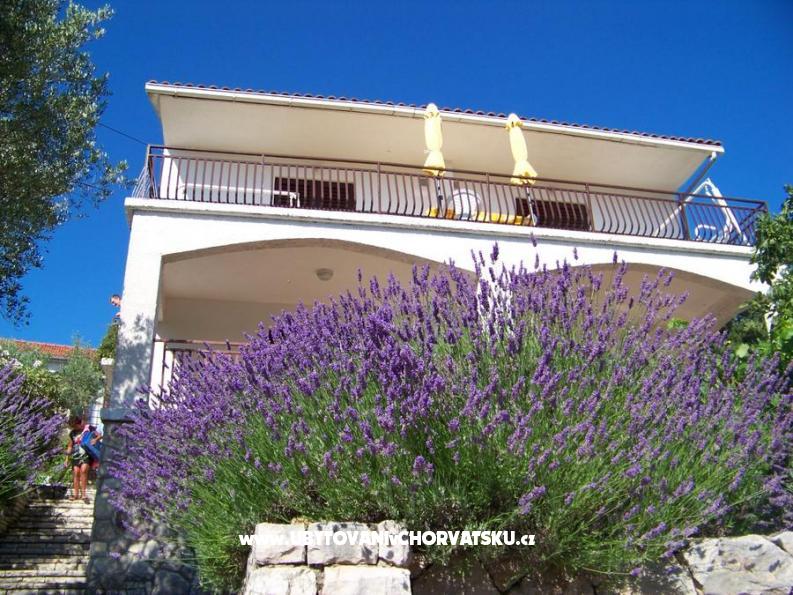 Apartmani StipišićHvar - otokCapacity: 2-6 · To the sea: 10 mfrom 14 € per person / nightView offer
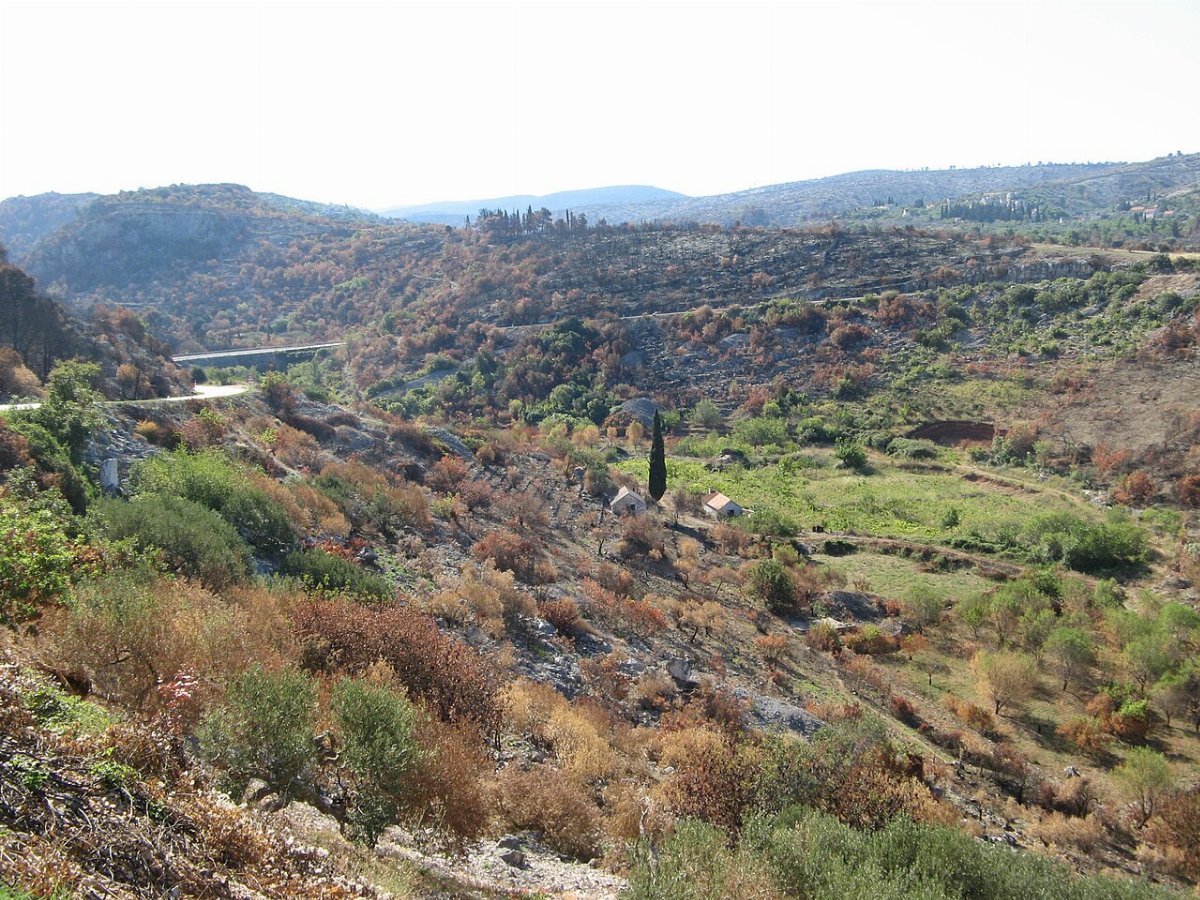
The first archaeological investigations were carried out in 1957 by the Archaeological Museum in Split, and systematic investigations began in 2007 as part of a scientific project of the Faculty of Humanities and Social Sciences in Split. Dwellings from the late Bronze Age were uncovered, built of interwoven branches plastered with clay. Among the locally made ceramic vessels were also found fragments of fine ware imported from the Greek and Italic world during the last millennium BC. The inhabitants had their access to the sea from the Vičja luka valley, where in 1908 Iron Age tombs of members of the higher social classes were found, with rich metal and ceramic finds.
The site is a protected cultural property, entered in the Register of Cultural Goods of the Republic of Croatia under the code Z-5891, in Split-Dalmatia County.
Photo: Unknown authorUnknown author, CC BY-SA 3.0 hr, Wikimedia Commons.
Data: Register of Cultural Goods of the Republic of Croatia (Ministry of Culture and Media), Open Licence; coordinates: Wikidata (CC0).
Private accommodation in Hvar - otok – directly from the owners
All accommodation in Hvar - otok →Villa MomusHvar - otokCapacity: 2-18 · To the sea: 70 mfrom 15 € per person / nightView offerApartments TamaraHvar - otokCapacity: 2-14 · To the sea: 150 mfrom 30 € per person / nightView offerApartmani Vini i IvanaHvar - otokCapacity: 2-12 · To the sea: 60 mfrom 10 € per person / nightView offerApartmani EnaHvar - otokCapacity: 2-17 · To the sea: 50 mView offerKuća za odmor DanicaHvar - otokCapacity: 2-8 · To the sea: 20 mfrom 15 € per person / nightView offerApartmani StipišićHvar - otokCapacity: 2-6 · To the sea: 10 mfrom 14 € per person / nightView offerFollow us on Facebook for more articles about Croatia. Share this article using the buttons on the right. Thank you!
Accommodation nearby
Directly from the owners, no commission
Upgrade this article
Bio si na ovom mjestu? Podijeli s nama svoja iskustva ili fotografije.
Napiši svoju verziju članka. Nagrađujemo vlasnike apartmana.