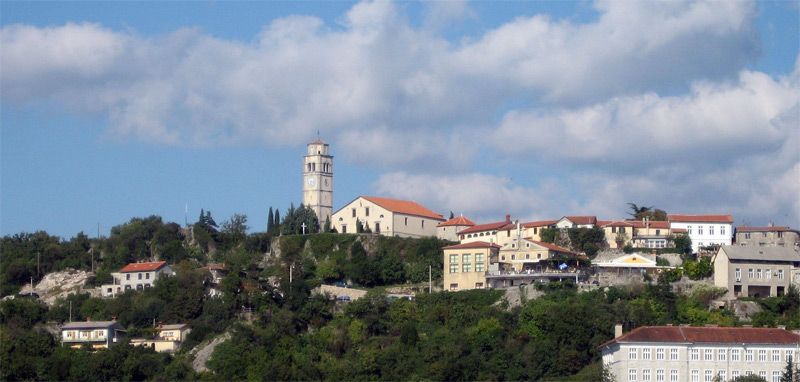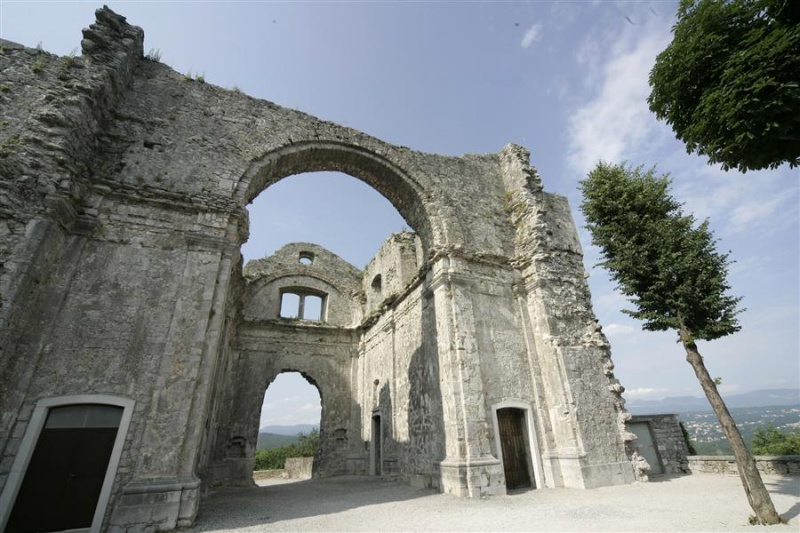

Kastav is a medieval little town northwest of Rijeka, in Primorje-Gorski Kotar County, beside the former road from Tarsatica towards Tergeste. It is interesting to a visitor for its walled core, but also as a spiritual centre of Glagolitic culture.
The old settlement developed on the site of a Iapodian hillfort, and the necropolis in the nearby Mišinci cove also bears witness to life in ancient times. In the Middle Ages it was the seat of a lordship to which Veprinac, Mošćenice and the port of Volosko belonged, and it thus acquired town characteristics. At the beginning of the 15th century it had a statute written in the Glagolitic script in the Croatian language, and Glagolitic priests and notaries made it the cultural centre of the wider region until the 19th and 20th centuries. In the 17th and 18th centuries it was governed by the Jesuits of Rijeka, who built in the Baroque style. The core is surrounded by a rampart and towers.
A protected cultural property, entered in the Register of Cultural Goods of the Republic of Croatia under the code Z-2687. The first traces of the settlement date from the 11th century.
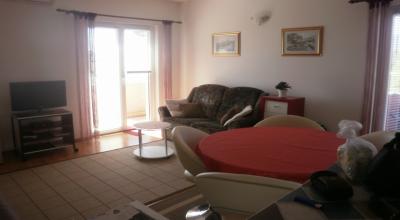
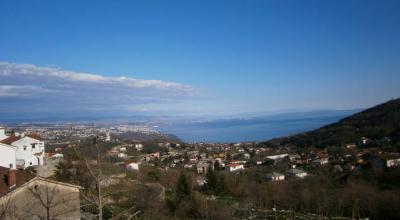
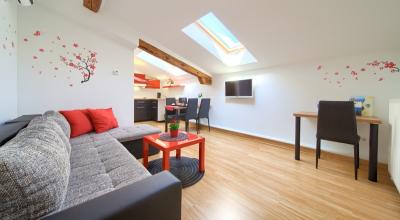
Data: Register of Cultural Goods of the Republic of Croatia (Ministry of Culture and Media), Open Licence.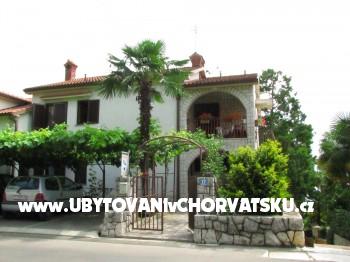 Apartmani PeterkoOpatijaCapacity: 2-18 · To the sea: 100 mfrom 15 € per person / nightView offer
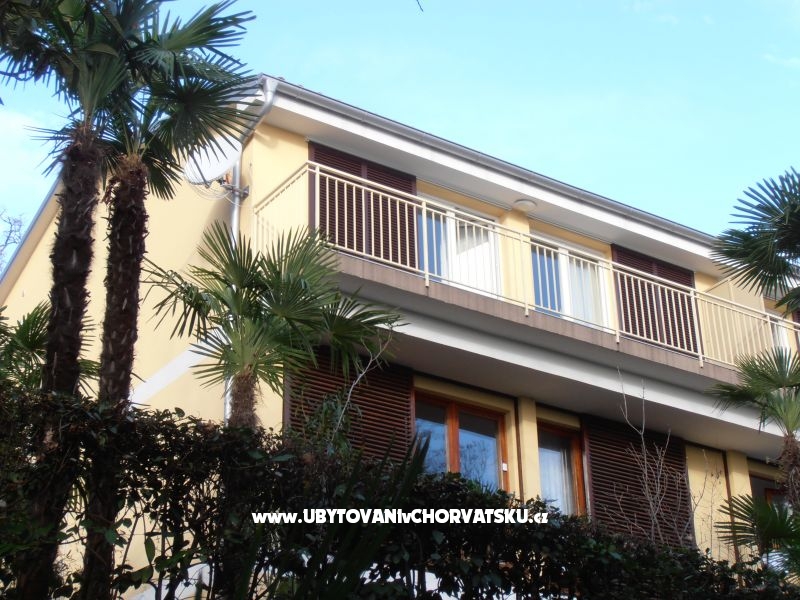 Apartmani OleandriOpatijaCapacity: 2-10 · To the sea: 200 mfrom 10 € per person / nightView offer
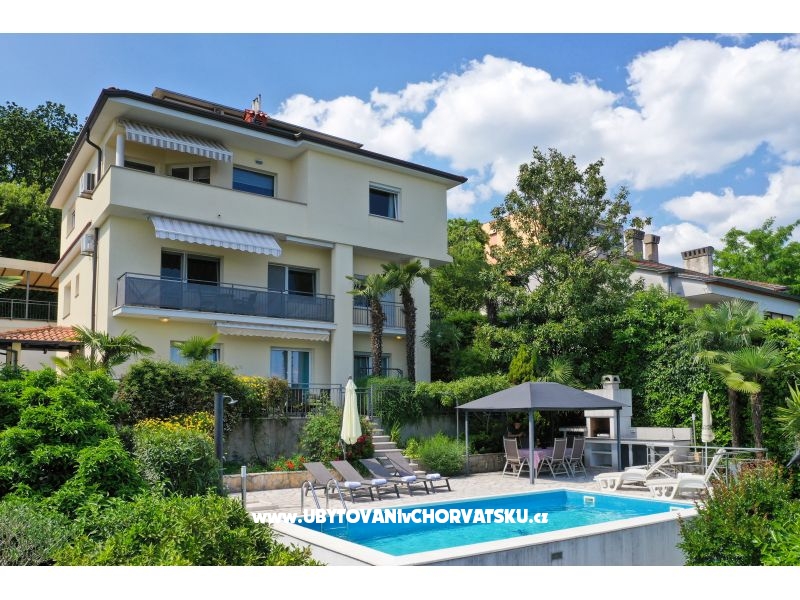 Apartman GrozićOpatijaCapacity: 4-12 · To the sea: 300 mfrom 20 € per person / nightView offer
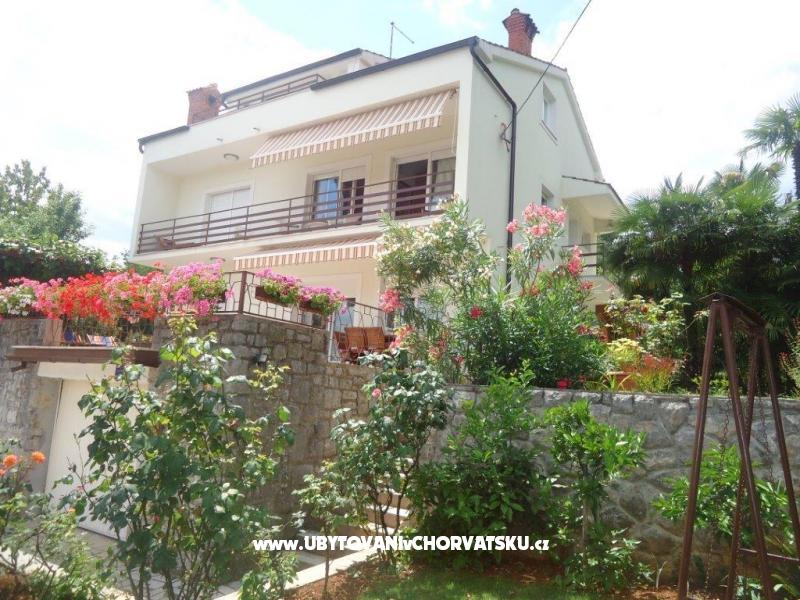 Apartman MeriOpatijaCapacity: 4-11 · To the sea: 100 mfrom 15 € per person / nightView offer
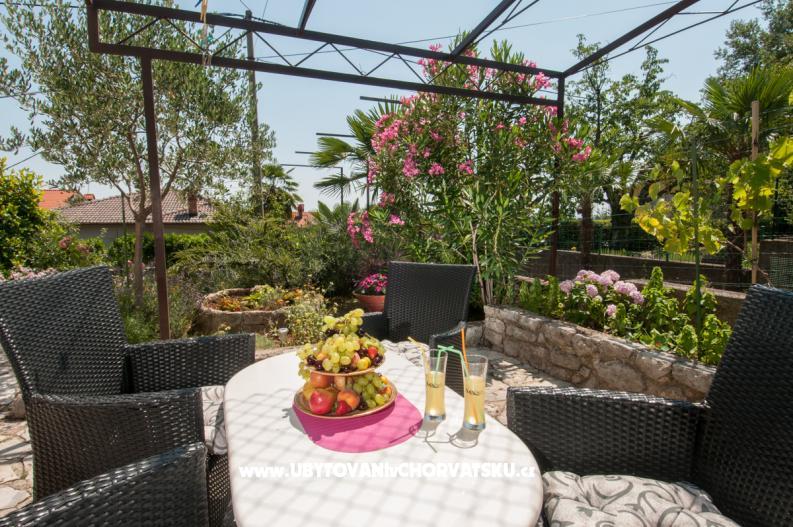 Apartman RubinOpatijaCapacity: 4 · To the sea: 500 mfrom 15 € per person / nightView offer
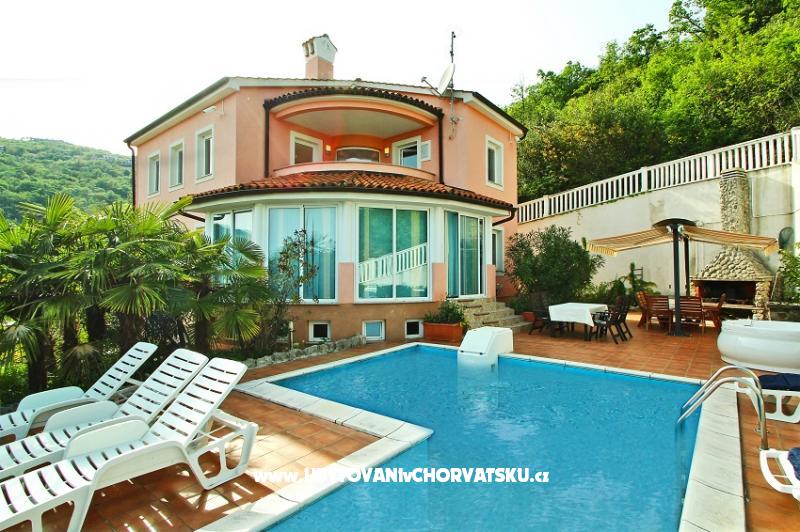 Villa UčkaOpatijaCapacity: 2-12 · To the sea: 860 mfrom 16 € per person / nightView offer
The old settlement developed on the site of a Iapodian hillfort, and the necropolis in the nearby Mišinci cove also bears witness to life in ancient times. In the Middle Ages it was the seat of a lordship to which Veprinac, Mošćenice and the port of Volosko belonged, and it thus acquired town characteristics. At the beginning of the 15th century it had a statute written in the Glagolitic script in the Croatian language, and Glagolitic priests and notaries made it the cultural centre of the wider region until the 19th and 20th centuries. In the 17th and 18th centuries it was governed by the Jesuits of Rijeka, who built in the Baroque style. The core is surrounded by a rampart and towers.
A protected cultural property, entered in the Register of Cultural Goods of the Republic of Croatia under the code Z-2687. The first traces of the settlement date from the 11th century.
Data: Register of Cultural Goods of the Republic of Croatia (Ministry of Culture and Media), Open Licence.
Private accommodation in Opatija – directly from the owners
All accommodation in Opatija →Apartmani PeterkoOpatijaCapacity: 2-18 · To the sea: 100 mfrom 15 € per person / nightView offerApartmani OleandriOpatijaCapacity: 2-10 · To the sea: 200 mfrom 10 € per person / nightView offerApartman GrozićOpatijaCapacity: 4-12 · To the sea: 300 mfrom 20 € per person / nightView offerApartman MeriOpatijaCapacity: 4-11 · To the sea: 100 mfrom 15 € per person / nightView offerApartman RubinOpatijaCapacity: 4 · To the sea: 500 mfrom 15 € per person / nightView offerVilla UčkaOpatijaCapacity: 2-12 · To the sea: 860 mfrom 16 € per person / nightView offerFollow us on Facebook for more articles about Croatia. Share this article using the buttons on the right. Thank you!
Accommodation nearby
Directly from the owners, no commission
Upgrade this article
Bio si na ovom mjestu? Podijeli s nama svoja iskustva ili fotografije.
Napiši svoju verziju članka. Nagrađujemo vlasnike apartmana.