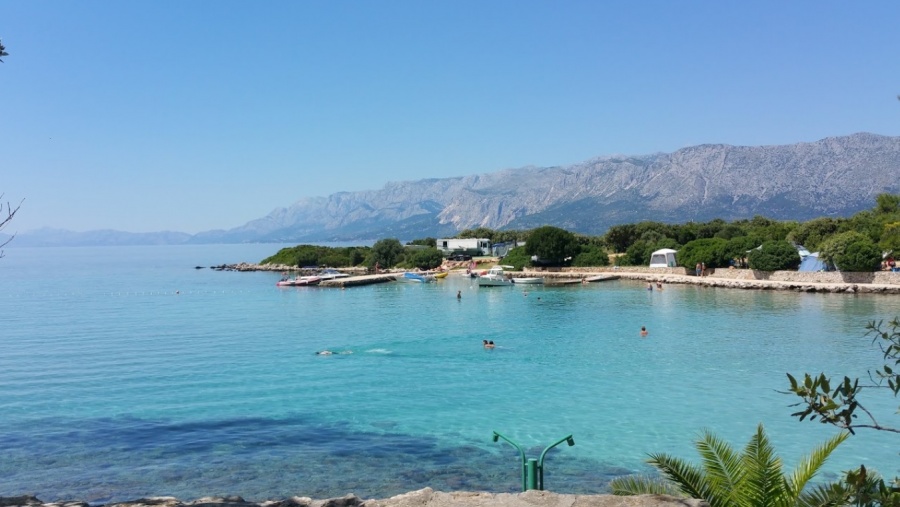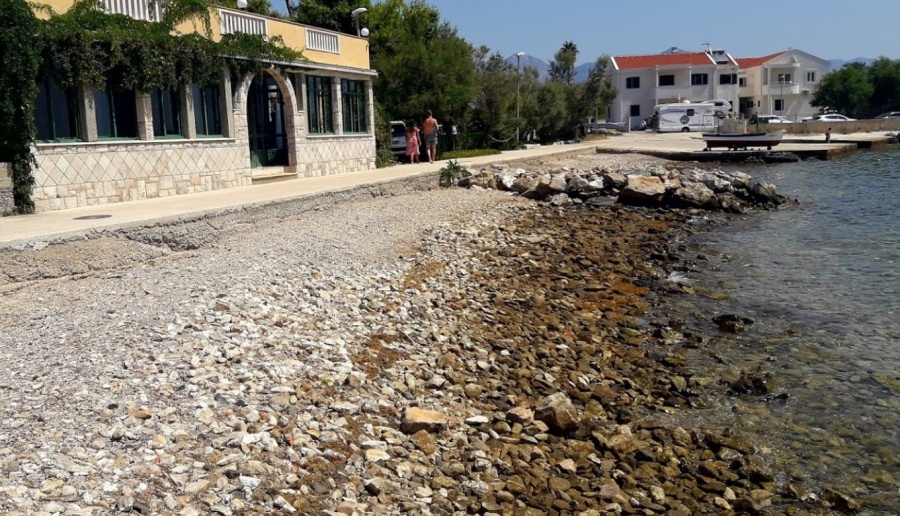

Sućuraj is a settlement at the far eastern tip of the island of Hvar, in Split-Dalmatia County. It lies beside a deep bay sheltered from the bora, and its old core is protected as a cultural and historical ensemble. A walk through it shows how two connected quarters were built over several centuries.
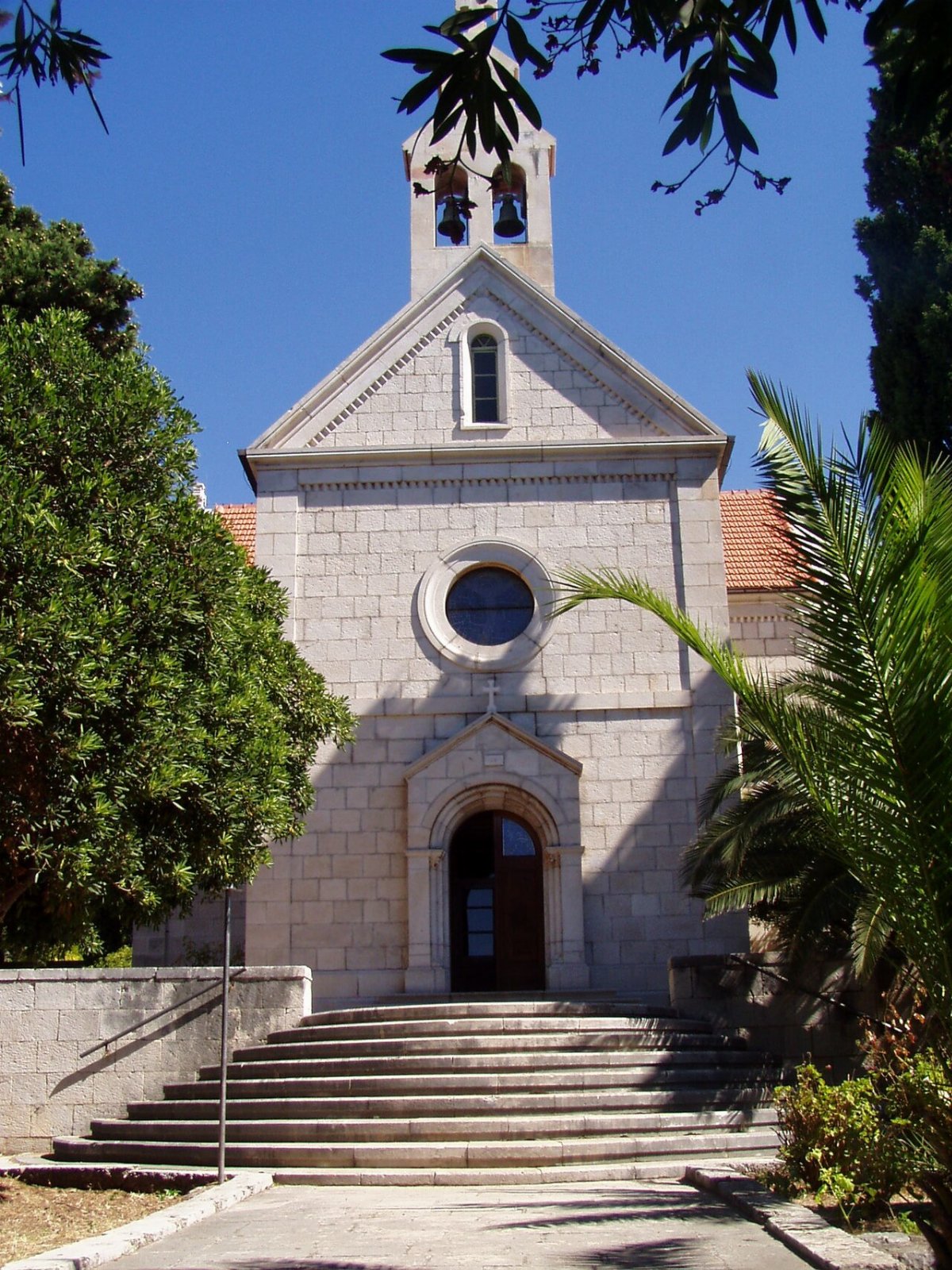
The settlement got its name from the Church of St George “at the head of the island”, mentioned in the Hvar Statute in 1331; after it, in the 16th century, the village was called St George. In the face of the Turkish threat, people from the mainland settled this area. In the 16th century Gornja banda arose on the northern side of the bay, and in the 17th century Donja banda on the southern. The shallows at the bottom of the bay were filled in only in the 19th century, when the two bande were joined by the waterfront. In Gornja banda the Venetian fortress was built in 1613, and the new Church of St George in the 19th century. Donja banda was built around the Baroque Church of St Anthony.
The ensemble is a protected cultural property, entered in the Register of Cultural Goods of the Republic of Croatia under the code Z-5726.
Photo: Falk2, CC BY-SA 4.0, Wikimedia Commons.
Data: Register of Cultural Goods of the Republic of Croatia (Ministry of Culture and Media), Open Licence; coordinates: Wikidata (CC0). Villa GojunDrvenikCapacity: 2-45 · To the sea: 350 mfrom 12 € per person / nightView offer
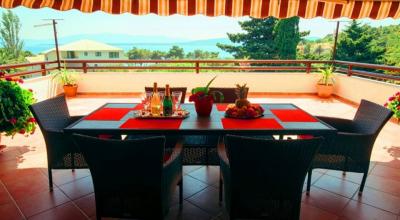
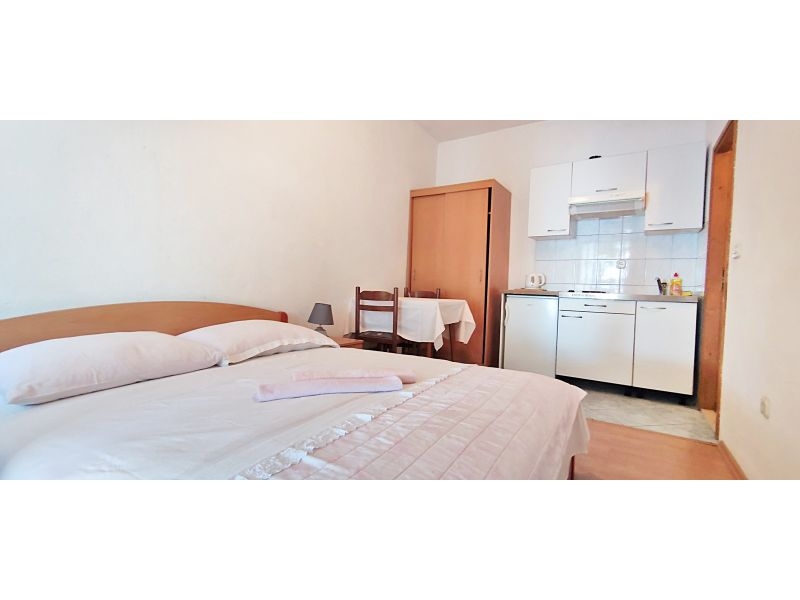 Apartmani KostelaDrvenikCapacity: 2-21 · To the sea: 30 mfrom 15 € per person / nightView offer
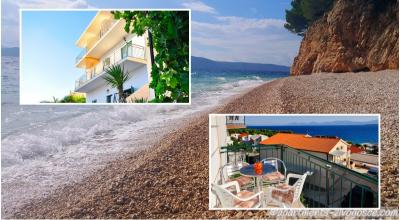
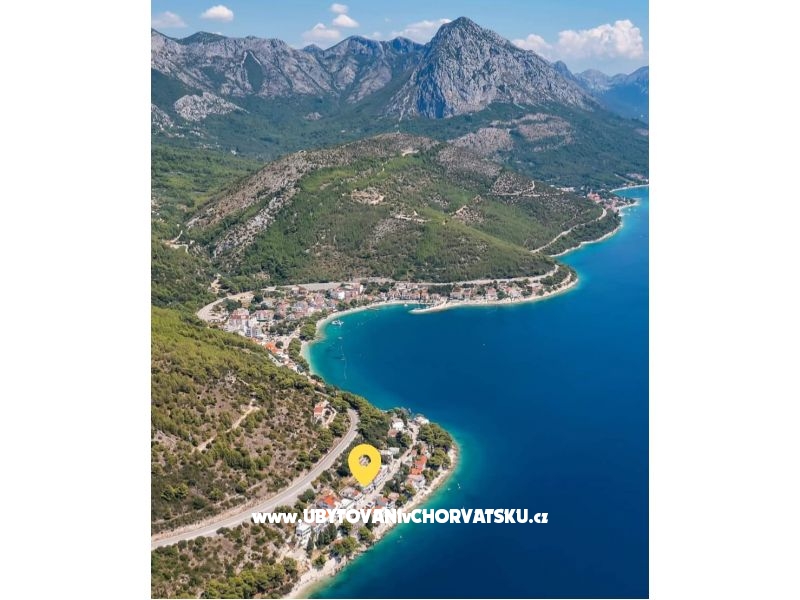 Apartments PuntinDrvenikCapacity: 2-14 · To the sea: 40 mfrom 10 € per person / nightView offer
 Villa MagdalenaDrvenikCapacity: 2-8 · To the sea: 44,3 kmView offer
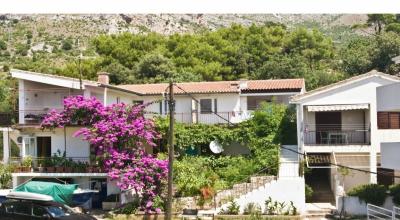
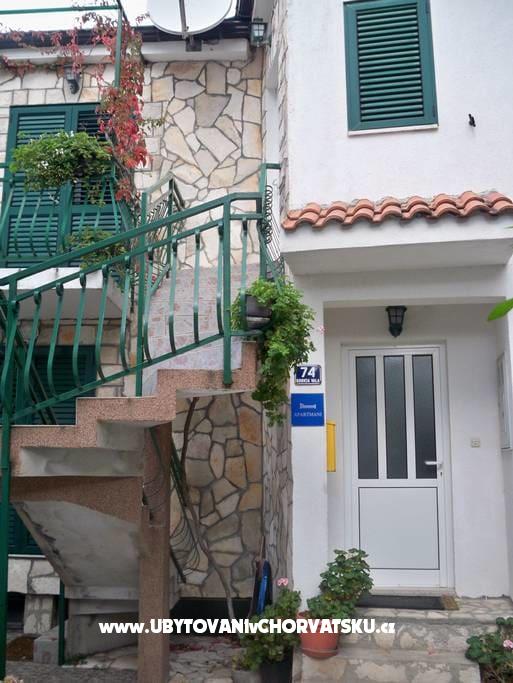 Apartmani KežićDrvenikCapacity: 5-14 · To the sea: 20 mfrom 12 € per person / nightView offer
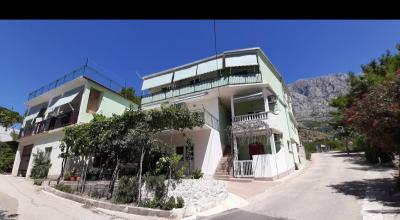
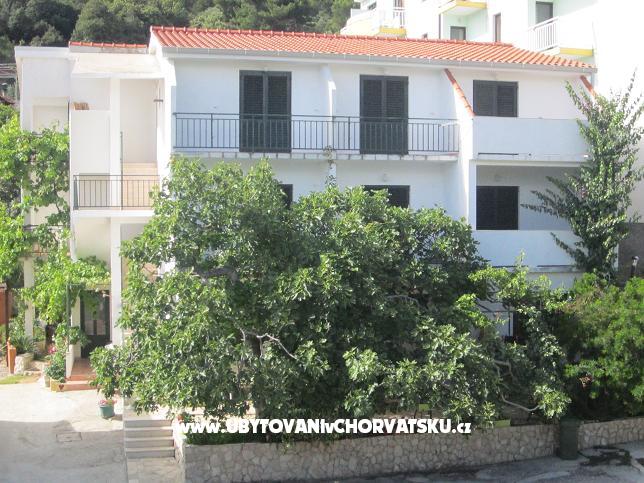 Apartmani Andrea DrvenikDrvenikTo the sea: 130 mfrom 8 € per person / nightView offer
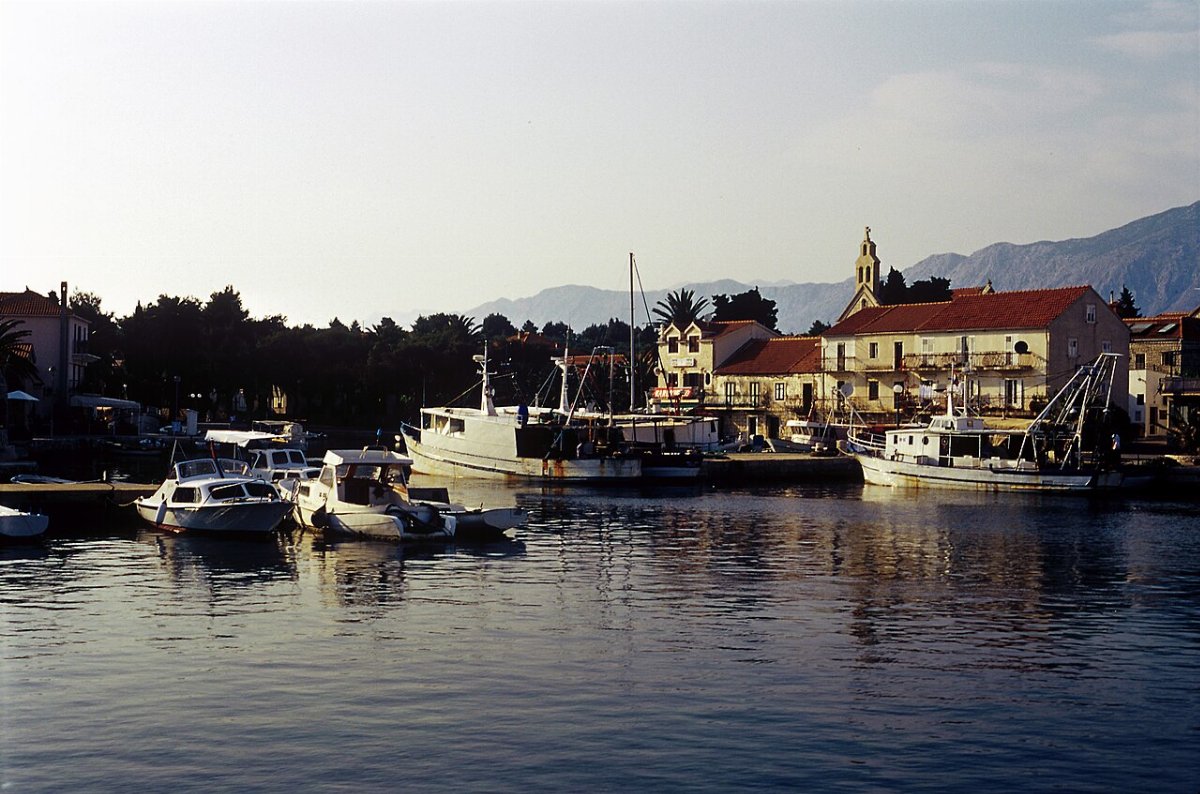
The settlement got its name from the Church of St George “at the head of the island”, mentioned in the Hvar Statute in 1331; after it, in the 16th century, the village was called St George. In the face of the Turkish threat, people from the mainland settled this area. In the 16th century Gornja banda arose on the northern side of the bay, and in the 17th century Donja banda on the southern. The shallows at the bottom of the bay were filled in only in the 19th century, when the two bande were joined by the waterfront. In Gornja banda the Venetian fortress was built in 1613, and the new Church of St George in the 19th century. Donja banda was built around the Baroque Church of St Anthony.
The ensemble is a protected cultural property, entered in the Register of Cultural Goods of the Republic of Croatia under the code Z-5726.
Photo: Falk2, CC BY-SA 4.0, Wikimedia Commons.
Data: Register of Cultural Goods of the Republic of Croatia (Ministry of Culture and Media), Open Licence; coordinates: Wikidata (CC0).
Private accommodation in Drvenik – directly from the owners
All accommodation in Drvenik →Villa GojunDrvenikCapacity: 2-45 · To the sea: 350 mfrom 12 € per person / nightView offerApartmani KostelaDrvenikCapacity: 2-21 · To the sea: 30 mfrom 15 € per person / nightView offerApartments PuntinDrvenikCapacity: 2-14 · To the sea: 40 mfrom 10 € per person / nightView offerVilla MagdalenaDrvenikCapacity: 2-8 · To the sea: 44,3 kmView offerApartmani KežićDrvenikCapacity: 5-14 · To the sea: 20 mfrom 12 € per person / nightView offerApartmani Andrea DrvenikDrvenikTo the sea: 130 mfrom 8 € per person / nightView offerFollow us on Facebook for more articles about Croatia. Share this article using the buttons on the right. Thank you!
Accommodation nearby
Directly from the owners, no commission
Upgrade this article
Bio si na ovom mjestu? Podijeli s nama svoja iskustva ili fotografije.
Napiši svoju verziju članka. Nagrađujemo vlasnike apartmana.