




Diocletian's Aqueduct is part of Split's archaeological heritage, and its route connects the Jadro river near Solin with Diocletian's Palace in the city centre. For visitors interested in ancient engineering, it is one of the clearest testimonies to how the Romans supplied water to a large imperial residence. It is well known throughout Split-Dalmatia County.
The aqueduct was built in late antiquity, at about the same time as the palace, at the end of the 3rd or the beginning of the 4th century. It is a channel nine kilometres long that carried water solely by its own weight, that is, by the fall of the terrain, without any pumps. The builders adapted it to the landscape: on some sections it was driven through tunnels and cuttings, in places it was cut into living rock, and elsewhere it crossed over arches. The system delivered large quantities of water, more than the palace needed, so in its day it stood out for its capacity in the Roman province of Dalmatia. After centuries of neglect, the channel was thoroughly restored and returned to use in 1878 and 1879, under Austrian rule.
Diocletian's Aqueduct is a protected cultural property and is entered in the Register of Cultural Goods of the Republic of Croatia under the code Z-6026. It is located in the municipality of Split, in Split-Dalmatia County.
Photo: W.D. Schram, CC BY-SA 3.0, Wikimedia Commons.
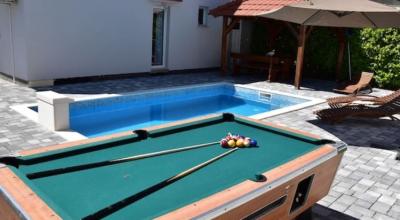
Data: Register of Cultural Goods of the Republic of Croatia (Ministry of Culture and Media), Open Licence; coordinates: Wikidata (CC0).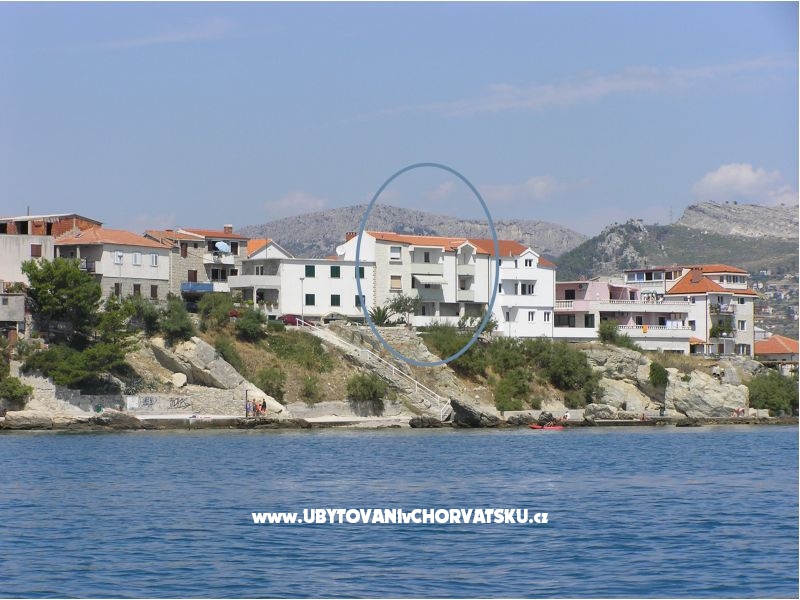 Apartmani BlaževićSplitCapacity: 2-8 · To the sea: 10 mfrom 8 € per person / nightView offer
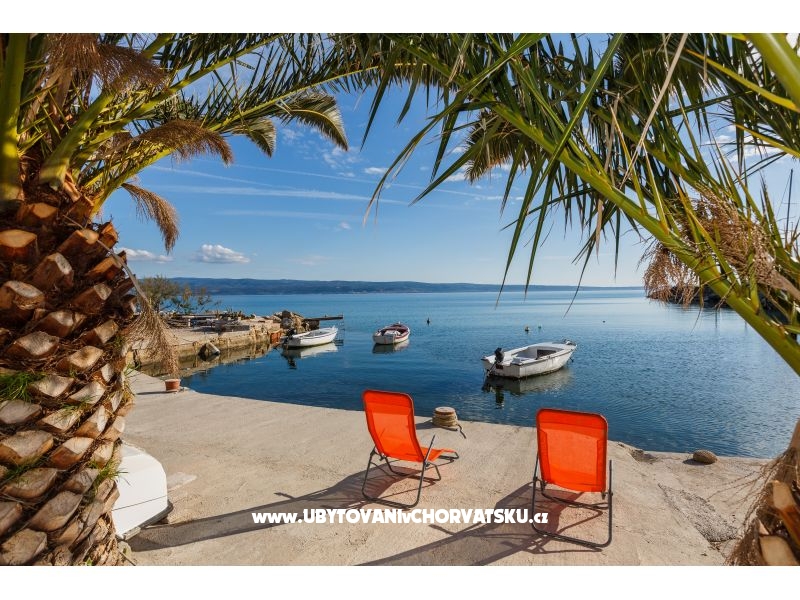 Apartman JadroSplitCapacity: 2-4 · To the sea: 5 mfrom 15 € per person / nightView offer
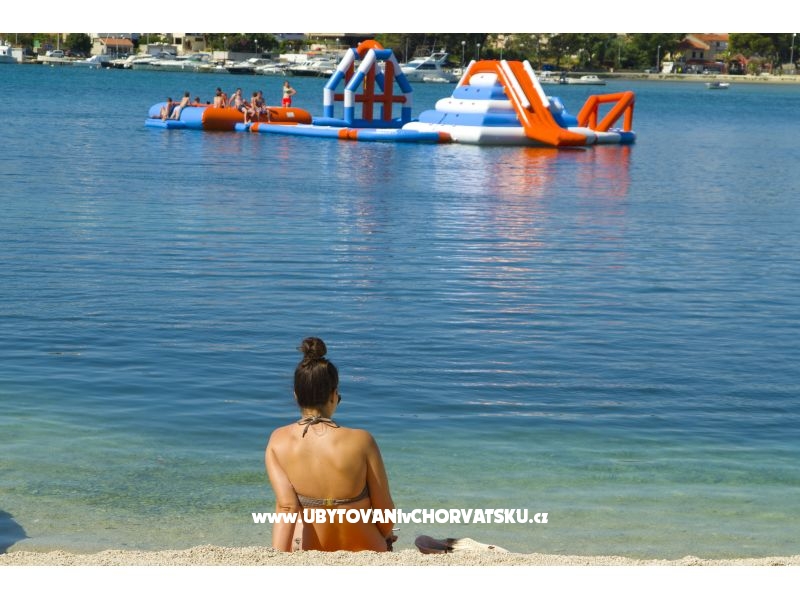 Apartman AnicaSplitCapacity: 4 · To the sea: 200 mfrom 20 € per person / nightView offer
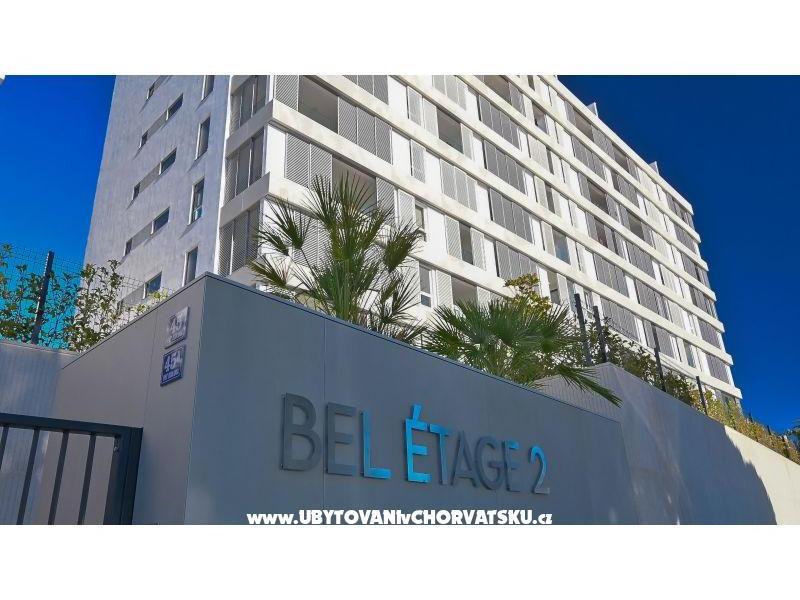 Split Green Eden & Blue HorizonSplitCapacity: 2-6 · To the sea: 200 mView offer
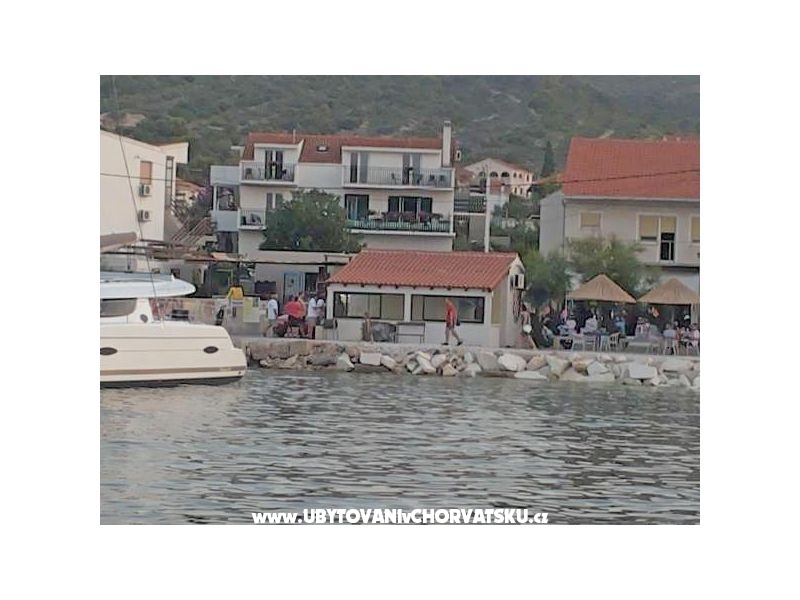 Apartments SILVA /SplitCapacity: 4-8 · To the sea: 20 mView offer
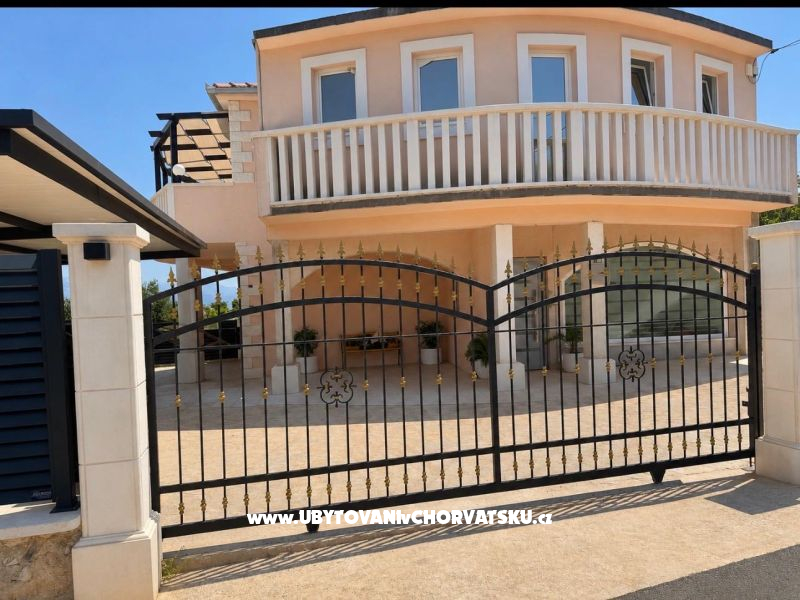 Ivona ApartmentsSplitCapacity: 6 · To the sea: 50 mView offer
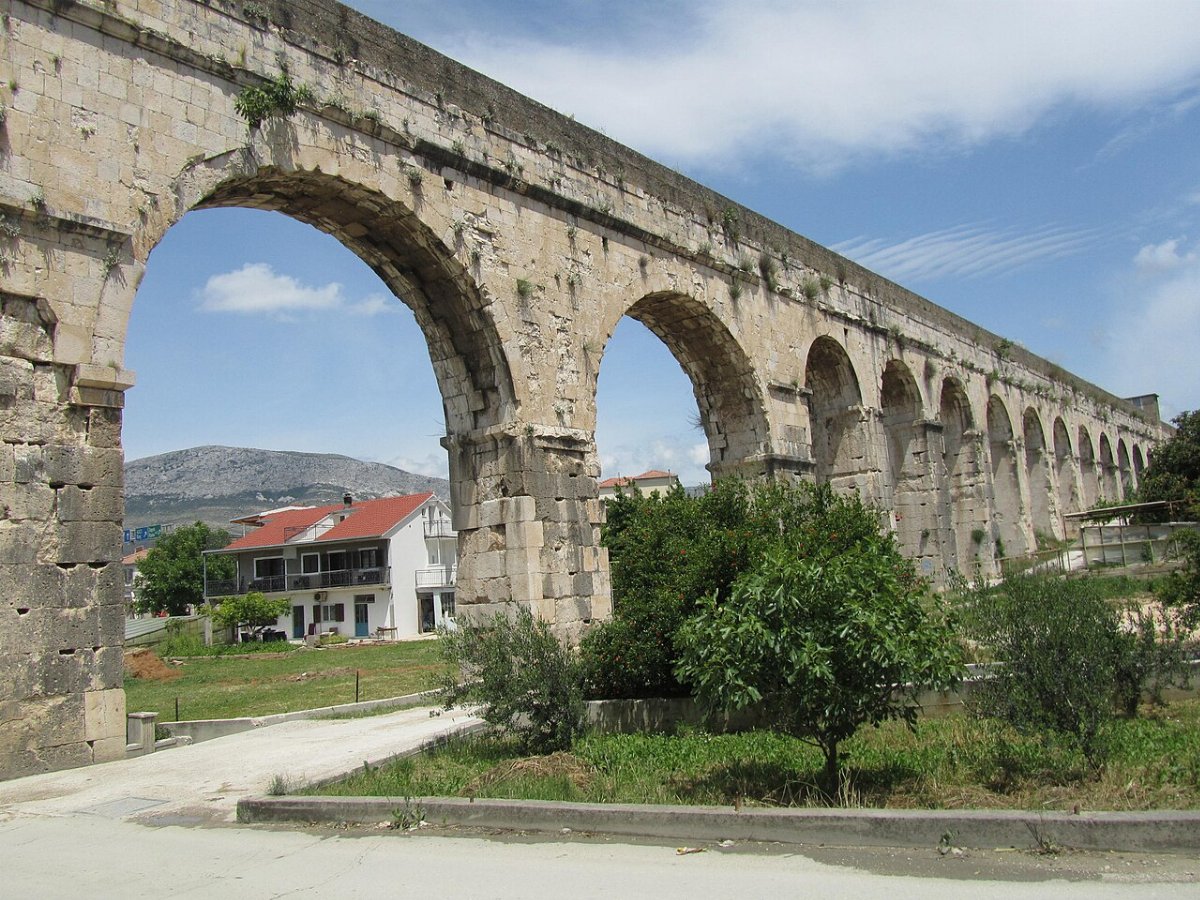
The aqueduct was built in late antiquity, at about the same time as the palace, at the end of the 3rd or the beginning of the 4th century. It is a channel nine kilometres long that carried water solely by its own weight, that is, by the fall of the terrain, without any pumps. The builders adapted it to the landscape: on some sections it was driven through tunnels and cuttings, in places it was cut into living rock, and elsewhere it crossed over arches. The system delivered large quantities of water, more than the palace needed, so in its day it stood out for its capacity in the Roman province of Dalmatia. After centuries of neglect, the channel was thoroughly restored and returned to use in 1878 and 1879, under Austrian rule.
Diocletian's Aqueduct is a protected cultural property and is entered in the Register of Cultural Goods of the Republic of Croatia under the code Z-6026. It is located in the municipality of Split, in Split-Dalmatia County.
Photo: W.D. Schram, CC BY-SA 3.0, Wikimedia Commons.
Data: Register of Cultural Goods of the Republic of Croatia (Ministry of Culture and Media), Open Licence; coordinates: Wikidata (CC0).
Private accommodation in Split – directly from the owners
All accommodation in Split →Apartmani BlaževićSplitCapacity: 2-8 · To the sea: 10 mfrom 8 € per person / nightView offerApartman JadroSplitCapacity: 2-4 · To the sea: 5 mfrom 15 € per person / nightView offerApartman AnicaSplitCapacity: 4 · To the sea: 200 mfrom 20 € per person / nightView offerSplit Green Eden & Blue HorizonSplitCapacity: 2-6 · To the sea: 200 mView offerApartments SILVA /SplitCapacity: 4-8 · To the sea: 20 mView offerIvona ApartmentsSplitCapacity: 6 · To the sea: 50 mView offerFollow us on Facebook for more articles about Croatia. Share this article using the buttons on the right. Thank you!
Accommodation nearby
Directly from the owners, no commission
Upgrade this article
Bio si na ovom mjestu? Podijeli s nama svoja iskustva ili fotografije.
Napiši svoju verziju članka. Nagrađujemo vlasnike apartmana.


