
Whether you are staying in the larger Istrian centres, Poreč, Rovinj, Pula, Opatija or Umag, or in a smaller place on the coast or inland Istria, you are surely wondering what to take home as a souvenir from this northernmost region of Croatia on the Adriatic coast, which is also the most visited by tourists. We tried to find out what is best to take home as a souvenir from Istria.To answer this question, you need to see what makes Istria recognisable and how it differs from the rest of Croatia and from other regions and towns on the Adriatic.
Istria is the westernmost county of the Republic of Croatia and the largest Adriatic peninsula, with an area of 2,800 km2; according to the 2011 census it has about 210 thousand inhabitants. The largest town is Pula, with about 60 thousand inhabitants.
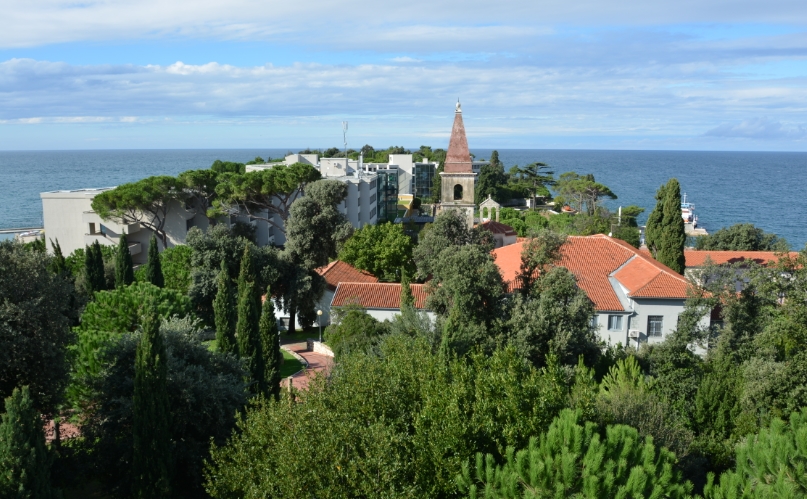
The better-known tourist centres in Istria are Umag, Poreč, Vrsar, Novigrad, Rovinj, Pula and Rabac, while the administrative centre is the town of Pazin, located in the middle of the peninsula, about 50 km from the sea.
Selected locations and sights in Istria.
Poreč –Poreč is a town full of historical treasures and cultural heritage, and one of the main centres of Croatian tourism. Not only in summer, like most towns on the Croatian coast, but also in winter, when it is a popular weekend destination for visitors who mainly come from nearby Slovenia and Austria. The most famous attraction in Poreč is the 6th-century Euphrasian Basilica, which is under UNESCO protection.
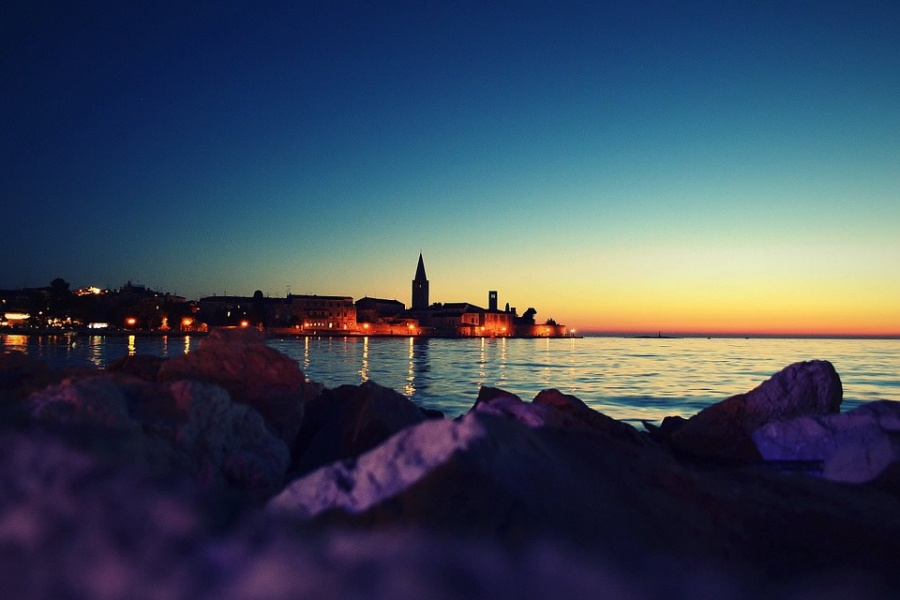
Rovinj - Rovinj lies on the western side of the Istrian peninsula; it is the most visited Croatian tourist town, with over 3 million overnight stays a year. It is distinguished by a richly indented archipelago with as many as 14 islets and 6 reefs. It is very rich in its tourist offer and is one of the most developed tourist centres in Croatia.

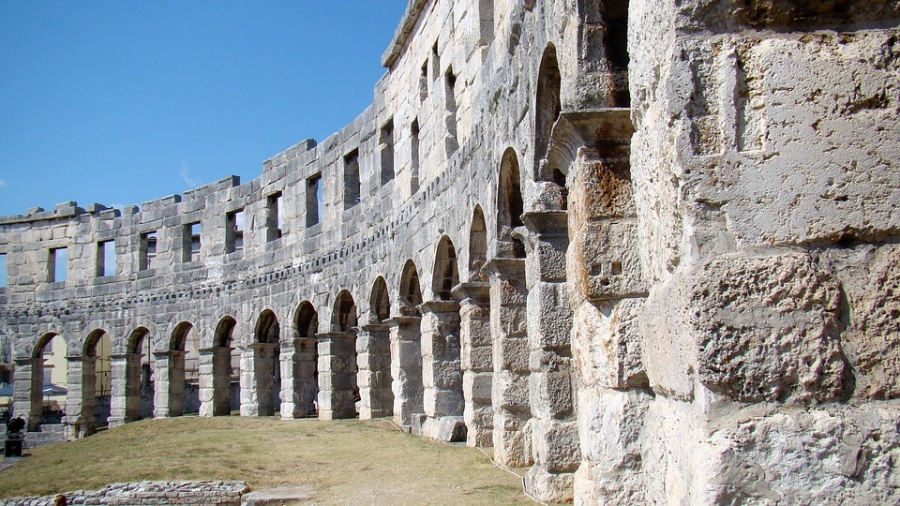
Pula – The largest town in Istria, with about 60 thousand permanent residents. It is best known for its amphitheatre, the best-preserved monument of ancient architecture in Croatia, dating from the 1st century, and by size the 6th among Roman amphitheatres in the world.

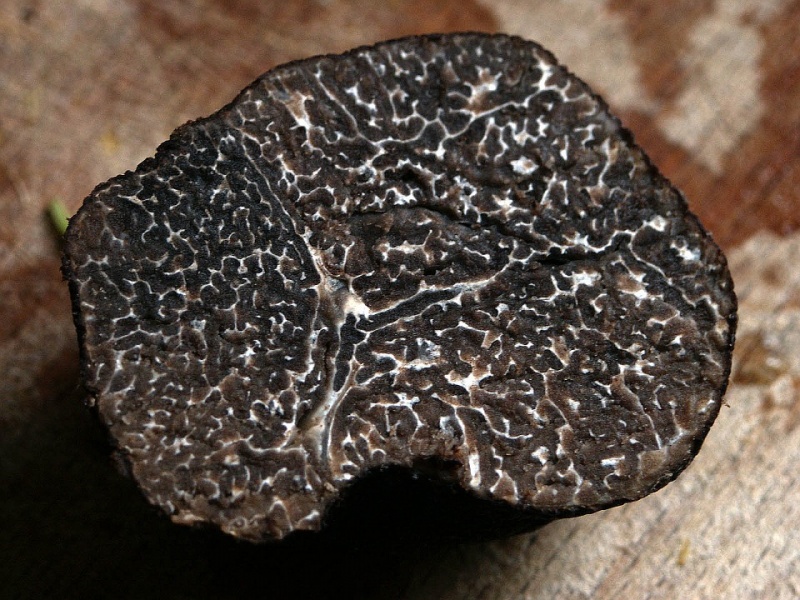
Truffles – Probably the most famous Istrian ingredient and the symbol of Istria are truffles. Without this fungus, which grows 5 to 30 cm underground, Istrian cuisine is almost unthinkable today. Istria has become famous for the highest-quality truffles, especially the white truffle, which successfully competes with those from the Italian regions of Alba and Piedmont.
Kažuni – Kažuni are dry stone huts built from stone (bunje) using the dry-stone wall technique. The roof was shaped by laying thin stone slabs in ever narrower concentric circles, without any binding material. They are characteristic of Istria, but also of other parts along the Croatian coast. The round type is characteristic of southern Istria, while rectangular ones appear in central and northern Istria. The kažun is today one of the symbols of Istria and you can often find it as a souvenir.
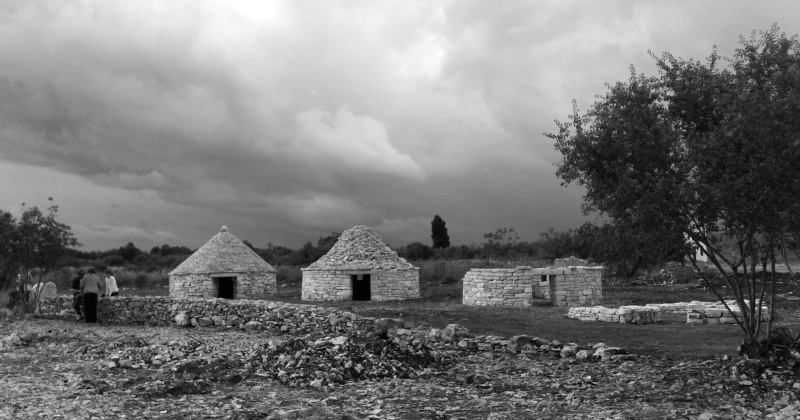
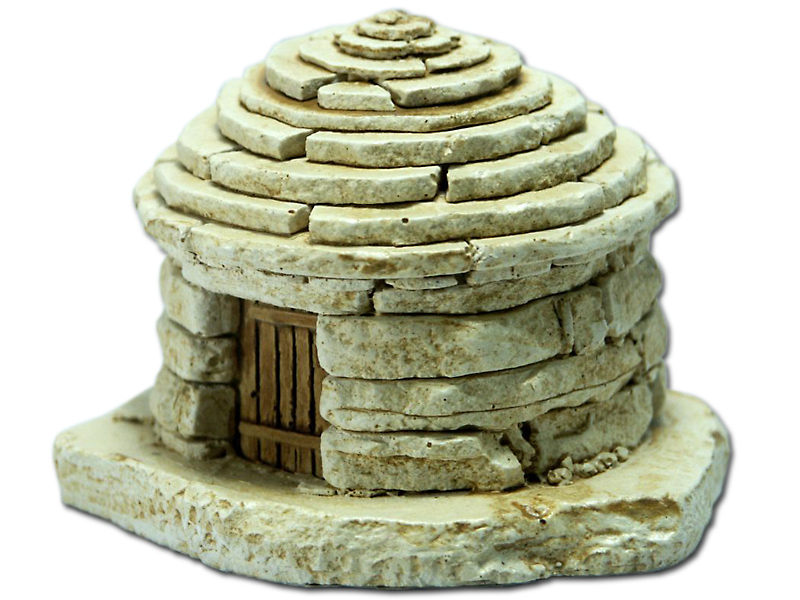
Kažun in Istria as a souvenir
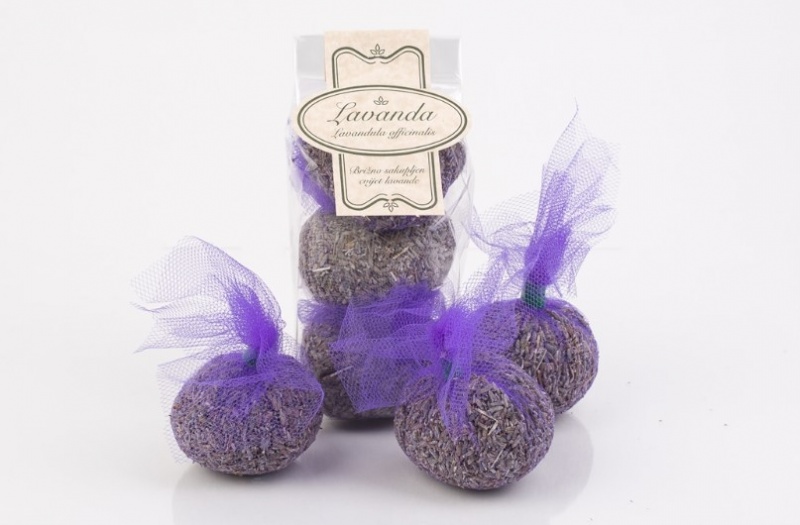
Lavender - Lavender is a fragrant ornamental herb that is very common in Dalmatia and Istria as a Mediterranean evergreen shrub. Although modest in its requirements, it blooms richly and for a long time with a lovely scent, and it gives a garden a special liveliness, as it attracts many butterflies, bumblebees and bees. In Dalmatia lavender is often used instead of industrial fragrances and as decoration. In many souvenir shops this plant is sold in small bags as a souvenir.
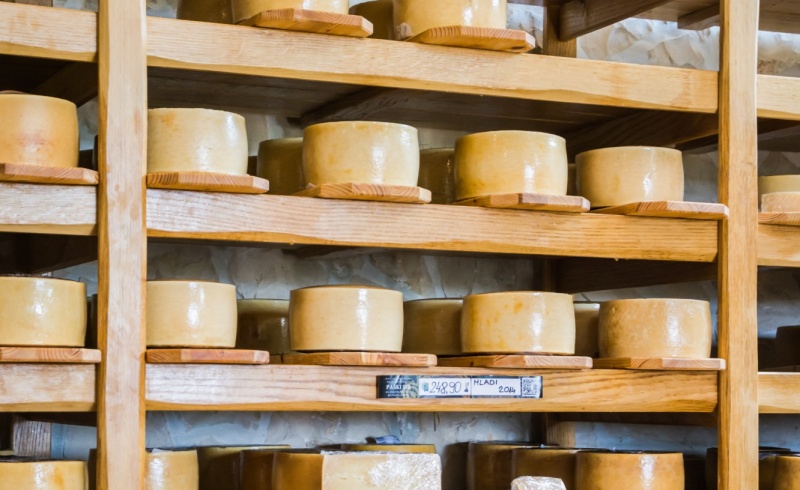
Paški Sir – Although not really close to Istria, Paški sir is a product that every guest would gladly want to take home as a gift from Croatia. This type of cheese is produced on the island of Pag in the Zadar region and is one of the most famous cheeses in the world. The cheese is distinctive and has a unique flavour, and it is made from the milk of the Pag sheep. The Pag sheep are special because of the island of Pag, which has almost no vegetation. If you look at the island of Pag on a map, you can see only stone. Because of the lack of vegetation, the Pag sheep mostly eat only aromatic herbs that are seasoned by the sea salt that the bora blows over them in winter. That is why the meat and cheese of the Pag sheep have a specific flavour that cannot be found anywhere else in the world.
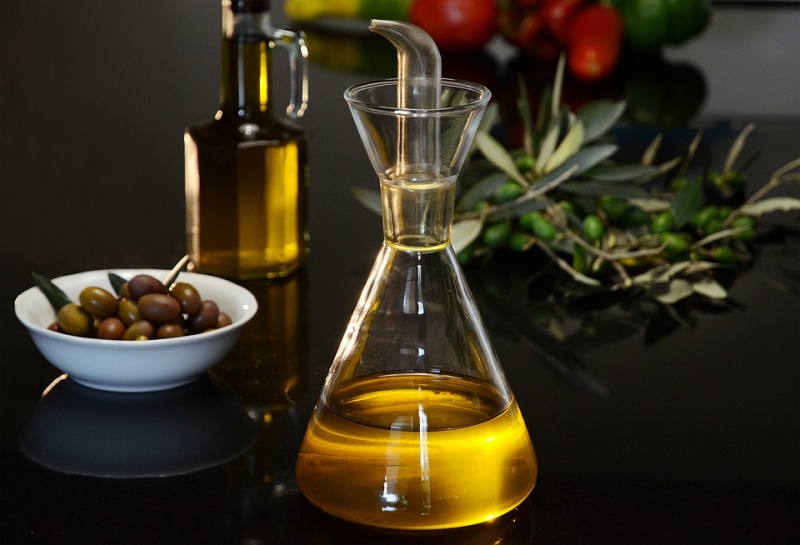
Olive oil – Istrian olive oil, made from indigenous varieties, is said to be one of the best and highest-quality in the world. Olive oil can be described as a true Istrian souvenir, given the large number of olive trees on the Istrian peninsula.
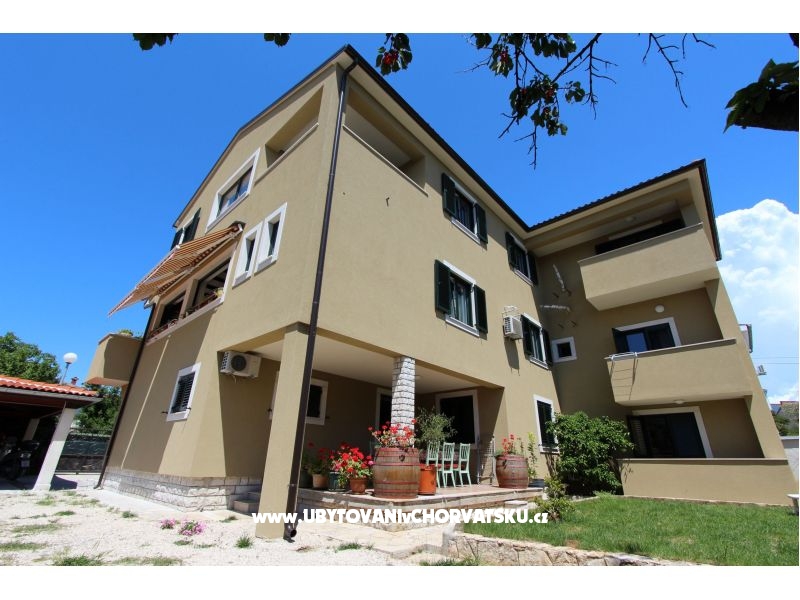 Apartmani NatasaRovinjCapacity: 2-12 · To the sea: 400 mfrom 11 € per person / nightView offer
 Apartment NinaRovinjCapacity: 2-8 · To the sea: 800 mView offer
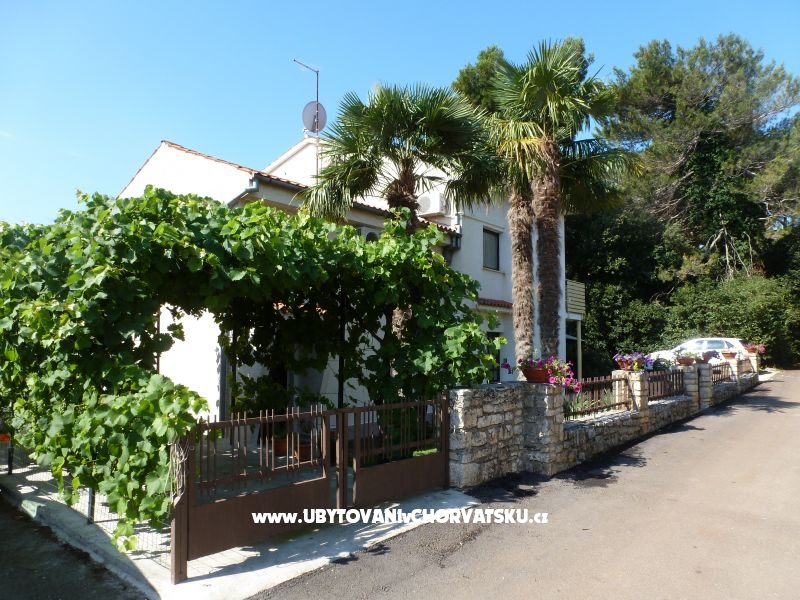 Apartments SamsaRovinjCapacity: 2-11 · To the sea: 250 mfrom 15 € per person / nightView offer
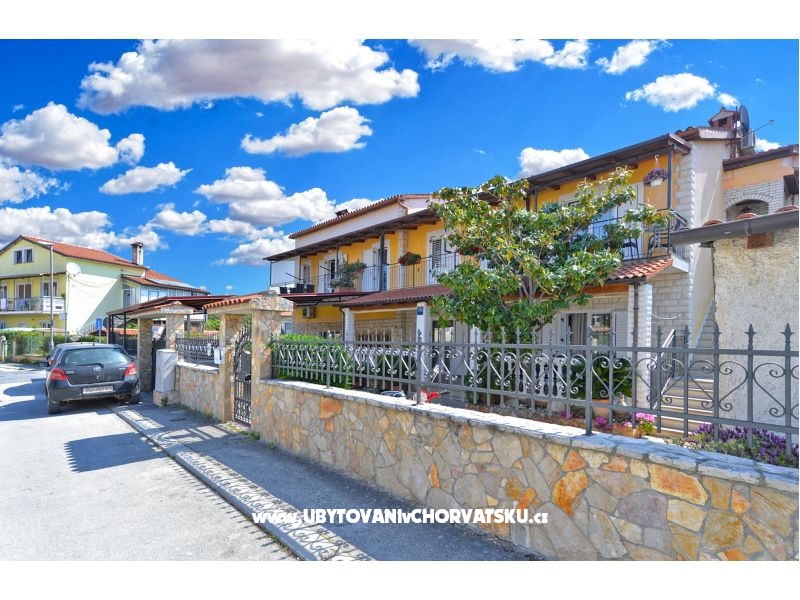 Mira 615RovinjCapacity: 4-8 · To the sea: 500 mfrom 73 € per person / nightView offer
 App.DevescoviRovinjCapacity: 2-16 · To the sea: 400 mView offer
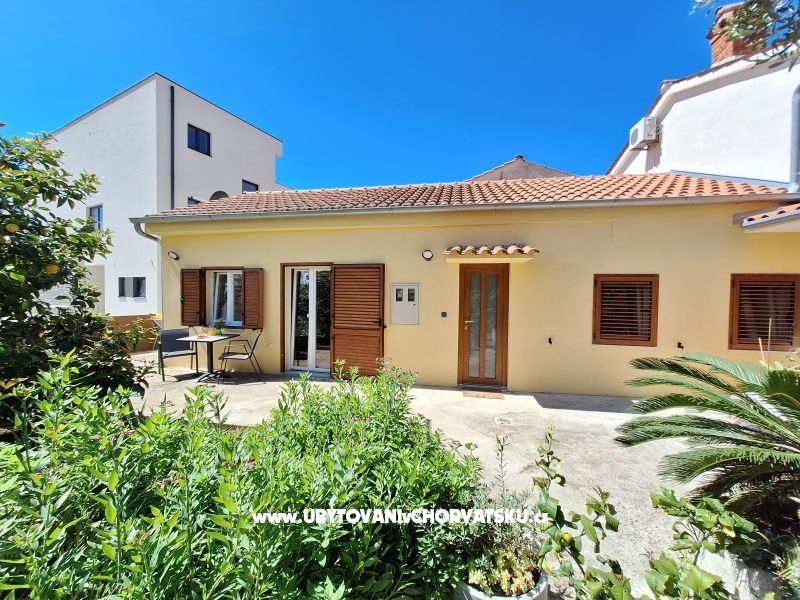 Apartmani OlgaRovinjCapacity: 2-8 · To the sea: 1 kmView offer
Istria is the westernmost county of the Republic of Croatia and the largest Adriatic peninsula, with an area of 2,800 km2; according to the 2011 census it has about 210 thousand inhabitants. The largest town is Pula, with about 60 thousand inhabitants.
The better-known tourist centres in Istria are Umag, Poreč, Vrsar, Novigrad, Rovinj, Pula and Rabac, while the administrative centre is the town of Pazin, located in the middle of the peninsula, about 50 km from the sea.
Selected locations and sights in Istria.
Poreč –Poreč is a town full of historical treasures and cultural heritage, and one of the main centres of Croatian tourism. Not only in summer, like most towns on the Croatian coast, but also in winter, when it is a popular weekend destination for visitors who mainly come from nearby Slovenia and Austria. The most famous attraction in Poreč is the 6th-century Euphrasian Basilica, which is under UNESCO protection.
Rovinj - Rovinj lies on the western side of the Istrian peninsula; it is the most visited Croatian tourist town, with over 3 million overnight stays a year. It is distinguished by a richly indented archipelago with as many as 14 islets and 6 reefs. It is very rich in its tourist offer and is one of the most developed tourist centres in Croatia.
Pula – The largest town in Istria, with about 60 thousand permanent residents. It is best known for its amphitheatre, the best-preserved monument of ancient architecture in Croatia, dating from the 1st century, and by size the 6th among Roman amphitheatres in the world.
What to buy in Istria
Truffles – Probably the most famous Istrian ingredient and the symbol of Istria are truffles. Without this fungus, which grows 5 to 30 cm underground, Istrian cuisine is almost unthinkable today. Istria has become famous for the highest-quality truffles, especially the white truffle, which successfully competes with those from the Italian regions of Alba and Piedmont.
Kažuni – Kažuni are dry stone huts built from stone (bunje) using the dry-stone wall technique. The roof was shaped by laying thin stone slabs in ever narrower concentric circles, without any binding material. They are characteristic of Istria, but also of other parts along the Croatian coast. The round type is characteristic of southern Istria, while rectangular ones appear in central and northern Istria. The kažun is today one of the symbols of Istria and you can often find it as a souvenir.
Kažun in Istria as a souvenir
Lavender - Lavender is a fragrant ornamental herb that is very common in Dalmatia and Istria as a Mediterranean evergreen shrub. Although modest in its requirements, it blooms richly and for a long time with a lovely scent, and it gives a garden a special liveliness, as it attracts many butterflies, bumblebees and bees. In Dalmatia lavender is often used instead of industrial fragrances and as decoration. In many souvenir shops this plant is sold in small bags as a souvenir.
Paški Sir – Although not really close to Istria, Paški sir is a product that every guest would gladly want to take home as a gift from Croatia. This type of cheese is produced on the island of Pag in the Zadar region and is one of the most famous cheeses in the world. The cheese is distinctive and has a unique flavour, and it is made from the milk of the Pag sheep. The Pag sheep are special because of the island of Pag, which has almost no vegetation. If you look at the island of Pag on a map, you can see only stone. Because of the lack of vegetation, the Pag sheep mostly eat only aromatic herbs that are seasoned by the sea salt that the bora blows over them in winter. That is why the meat and cheese of the Pag sheep have a specific flavour that cannot be found anywhere else in the world.
Olive oil – Istrian olive oil, made from indigenous varieties, is said to be one of the best and highest-quality in the world. Olive oil can be described as a true Istrian souvenir, given the large number of olive trees on the Istrian peninsula.
Private accommodation in Rovinj – directly from the owners
All accommodation in Rovinj →Apartmani NatasaRovinjCapacity: 2-12 · To the sea: 400 mfrom 11 € per person / nightView offerApartment NinaRovinjCapacity: 2-8 · To the sea: 800 mView offerApartments SamsaRovinjCapacity: 2-11 · To the sea: 250 mfrom 15 € per person / nightView offerMira 615RovinjCapacity: 4-8 · To the sea: 500 mfrom 73 € per person / nightView offerApp.DevescoviRovinjCapacity: 2-16 · To the sea: 400 mView offerApartmani OlgaRovinjCapacity: 2-8 · To the sea: 1 kmView offerFollow us on Facebook for more articles about Croatia. Share this article using the buttons on the right. Thank you!


Upgrade this article
Bio si na ovom mjestu? Podijeli s nama svoja iskustva ili fotografije.
Napiši svoju verziju članka. Nagrađujemo vlasnike apartmana.