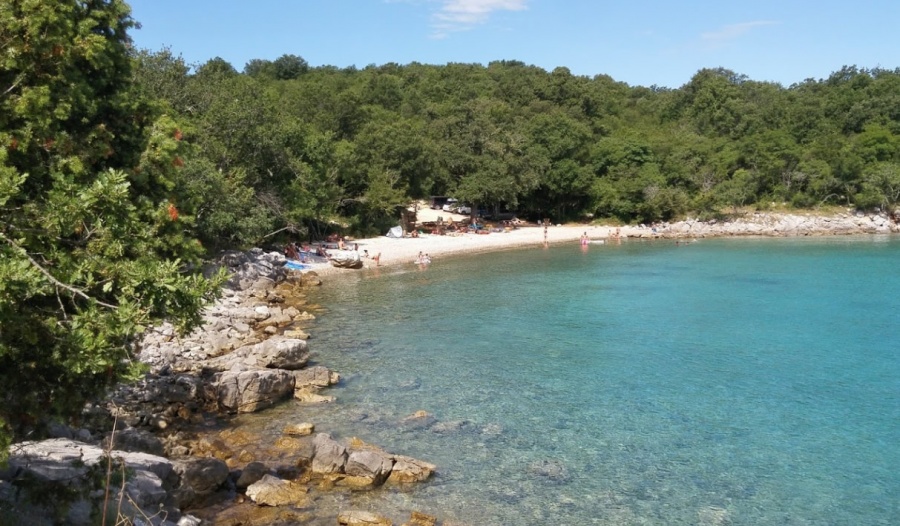

Milohnići is a village on the island of Krk, within the area of the Town of Krk in Primorje-Gorski Kotar County. It is of interest to those who want to learn how livestock herders and farmers who had moved from the mainland lived on the island.
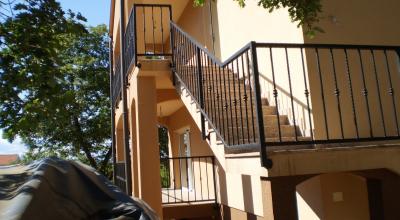
The origin of the settlement is linked to the arrival of Croats and Vlachs from Velebit in the area of today's Dubašnica and Poljica in the 15th century. The village is loosely clustered, of a livestock-farming and agricultural type, which can also be seen in the homesteads where residential and farm buildings stand together. The houses are stone ground-floor or single-storey buildings, with a utility space, the konoba, on the ground floor and living quarters upstairs. Above the konoba there is usually a stone vault, with the house's staircase on top of it. Older houses have a wooden platform in front of the entrance, and on the gables there are projections for the bread oven. Beside them stand dry-stone animal sheds, mošune, with a forecourt for milking, and circular threshing floors for threshing grain.
The ensemble is a protected cultural good, entered in the Register of Cultural Goods of the Republic of Croatia under the code Z-5615.
Data: Register of Cultural Goods of the Republic of Croatia (Ministry of Culture and Media), Open Licence.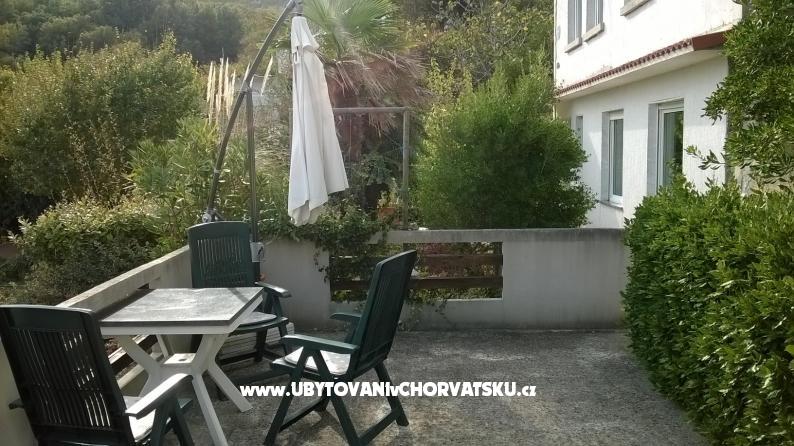 Apartman RokoKrk - otokTo the sea: 1,8 kmfrom 28 € per person / nightView offer
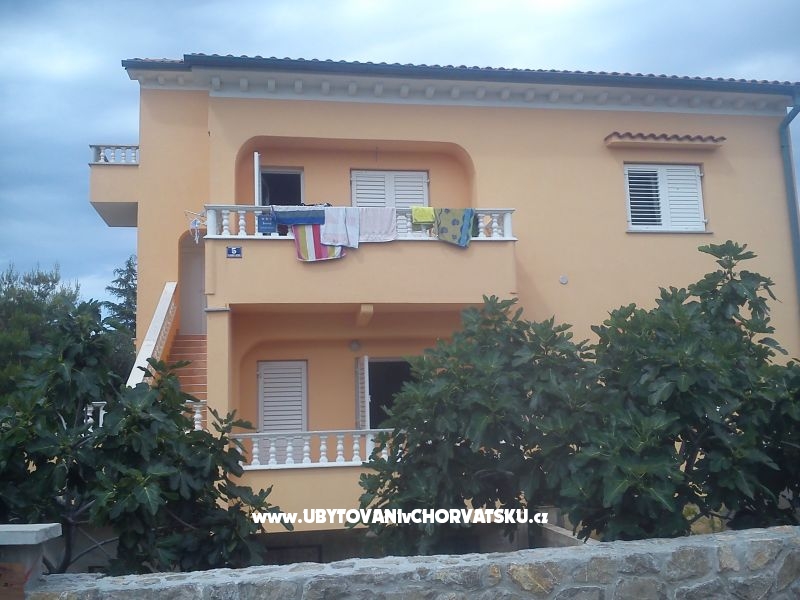 Town KrkKrk - otokCapacity: 2-12 · To the sea: 500 mfrom 7 € per person / nightView offer
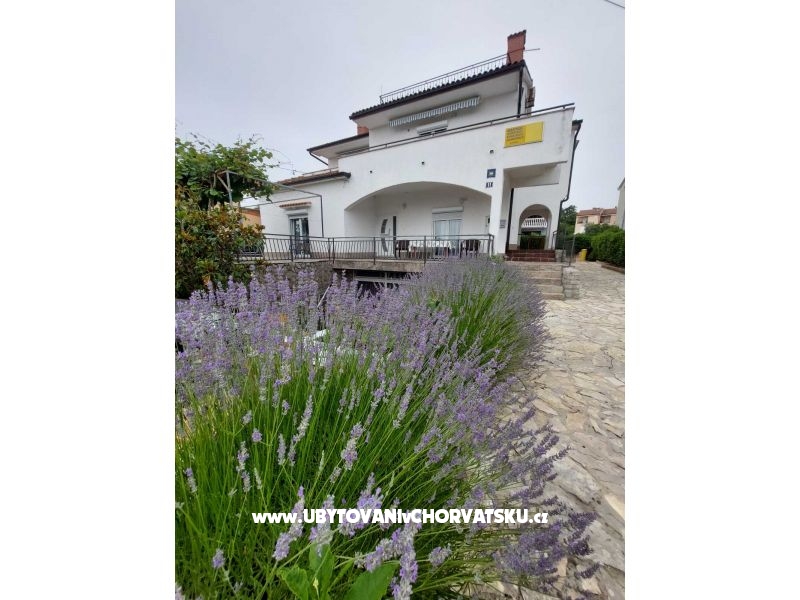 Haus AnticaKrk - otokCapacity: 2-6 · To the sea: 200 mView offer
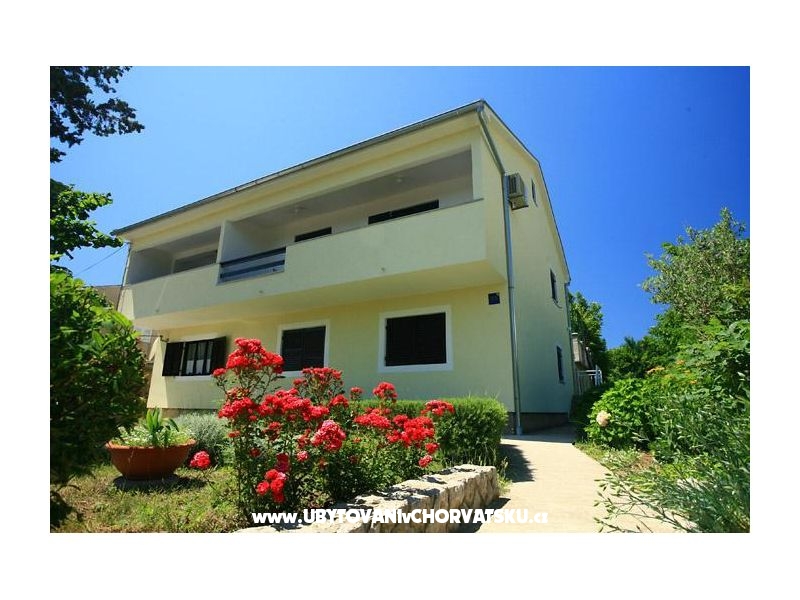 Apartmani PetraKrk - otokCapacity: 2-7 · To the sea: 250 mfrom 16 € per person / nightView offer
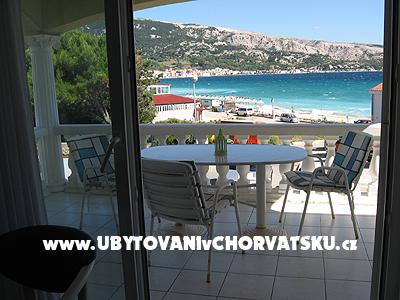 Baška Apartmani JurasKrk - otokCapacity: 4-40 · To the sea: 30 mfrom 15 € per person / nightView offer
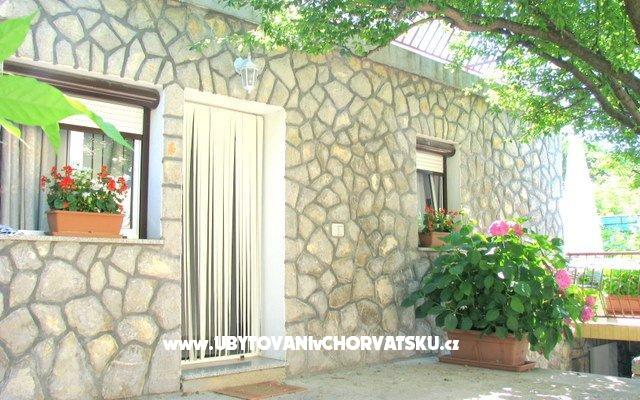 Apartmani Krk-HydrangeaKrk - otokCapacity: 2-11 · To the sea: 100 mfrom 15 € per person / nightView offer
The origin of the settlement is linked to the arrival of Croats and Vlachs from Velebit in the area of today's Dubašnica and Poljica in the 15th century. The village is loosely clustered, of a livestock-farming and agricultural type, which can also be seen in the homesteads where residential and farm buildings stand together. The houses are stone ground-floor or single-storey buildings, with a utility space, the konoba, on the ground floor and living quarters upstairs. Above the konoba there is usually a stone vault, with the house's staircase on top of it. Older houses have a wooden platform in front of the entrance, and on the gables there are projections for the bread oven. Beside them stand dry-stone animal sheds, mošune, with a forecourt for milking, and circular threshing floors for threshing grain.
The ensemble is a protected cultural good, entered in the Register of Cultural Goods of the Republic of Croatia under the code Z-5615.
Data: Register of Cultural Goods of the Republic of Croatia (Ministry of Culture and Media), Open Licence.
Private accommodation in Krk - otok – directly from the owners
All accommodation in Krk - otok →Apartman RokoKrk - otokTo the sea: 1,8 kmfrom 28 € per person / nightView offerTown KrkKrk - otokCapacity: 2-12 · To the sea: 500 mfrom 7 € per person / nightView offerHaus AnticaKrk - otokCapacity: 2-6 · To the sea: 200 mView offerApartmani PetraKrk - otokCapacity: 2-7 · To the sea: 250 mfrom 16 € per person / nightView offerBaška Apartmani JurasKrk - otokCapacity: 4-40 · To the sea: 30 mfrom 15 € per person / nightView offerApartmani Krk-HydrangeaKrk - otokCapacity: 2-11 · To the sea: 100 mfrom 15 € per person / nightView offerFollow us on Facebook for more articles about Croatia. Share this article using the buttons on the right. Thank you!
Accommodation nearby
Directly from the owners, no commission
Upgrade this article
Bio si na ovom mjestu? Podijeli s nama svoja iskustva ili fotografije.
Napiši svoju verziju članka. Nagrađujemo vlasnike apartmana.