





Osijek: 3 places to stay · from €35 a night →
 Apartman BjankaŽuljanaCapacity: 2-19 · To the sea: 150 mfrom 15 € per person / nightView offer
 Apartmani VerdeŠibenikCapacity: 3-9 · To the sea: 150 mfrom 18 € per person / nightView offer
 Villa Stefa PirovacPirovacCapacity: 2-8 · To the sea: 150 mfrom 10 € per person / nightView offer
 Apartman Marina BristGradac – PodacaCapacity: 2-12 · To the sea: 20 mfrom 12 € per person / nightView offer
 Apartments ViktorRogoznicaCapacity: 2-16 · To the sea: 70 mfrom 20 € per person / nightView offer
 Apartmani ZoricaTučepiCapacity: 2-30 · To the sea: 50 mfrom 25 € per person / nightView offer
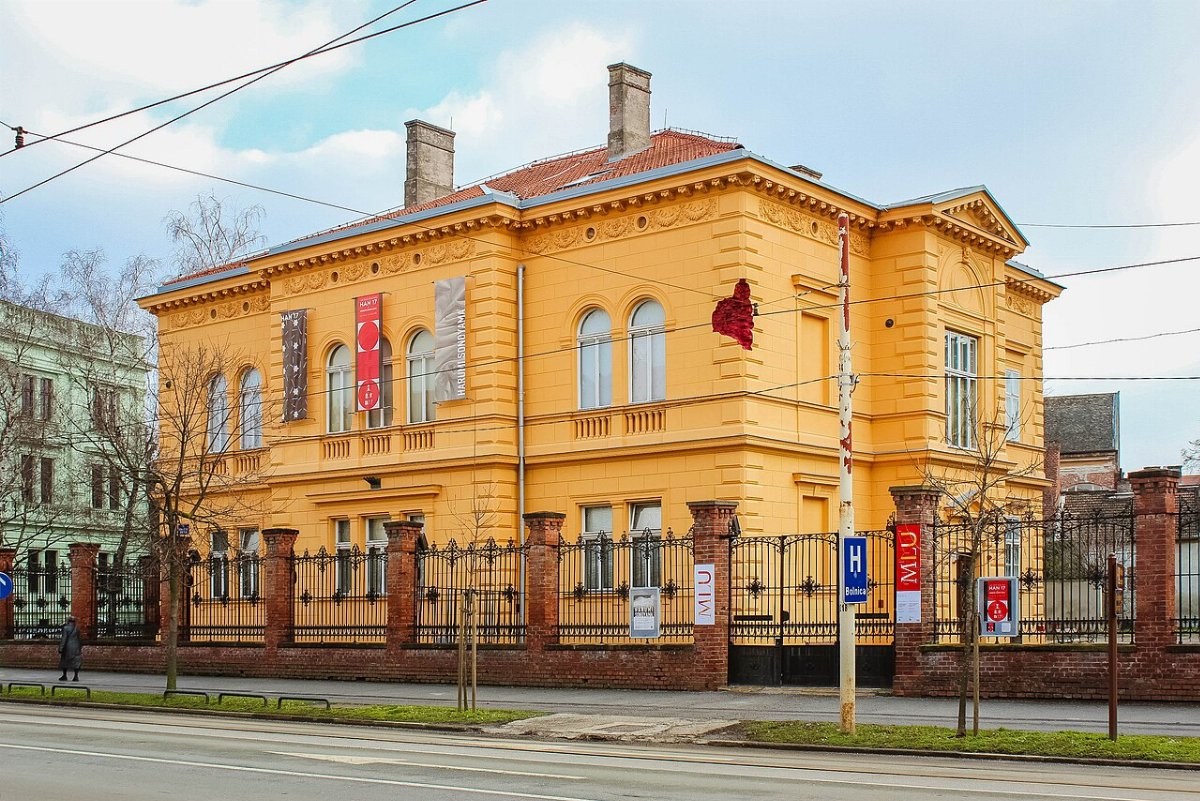
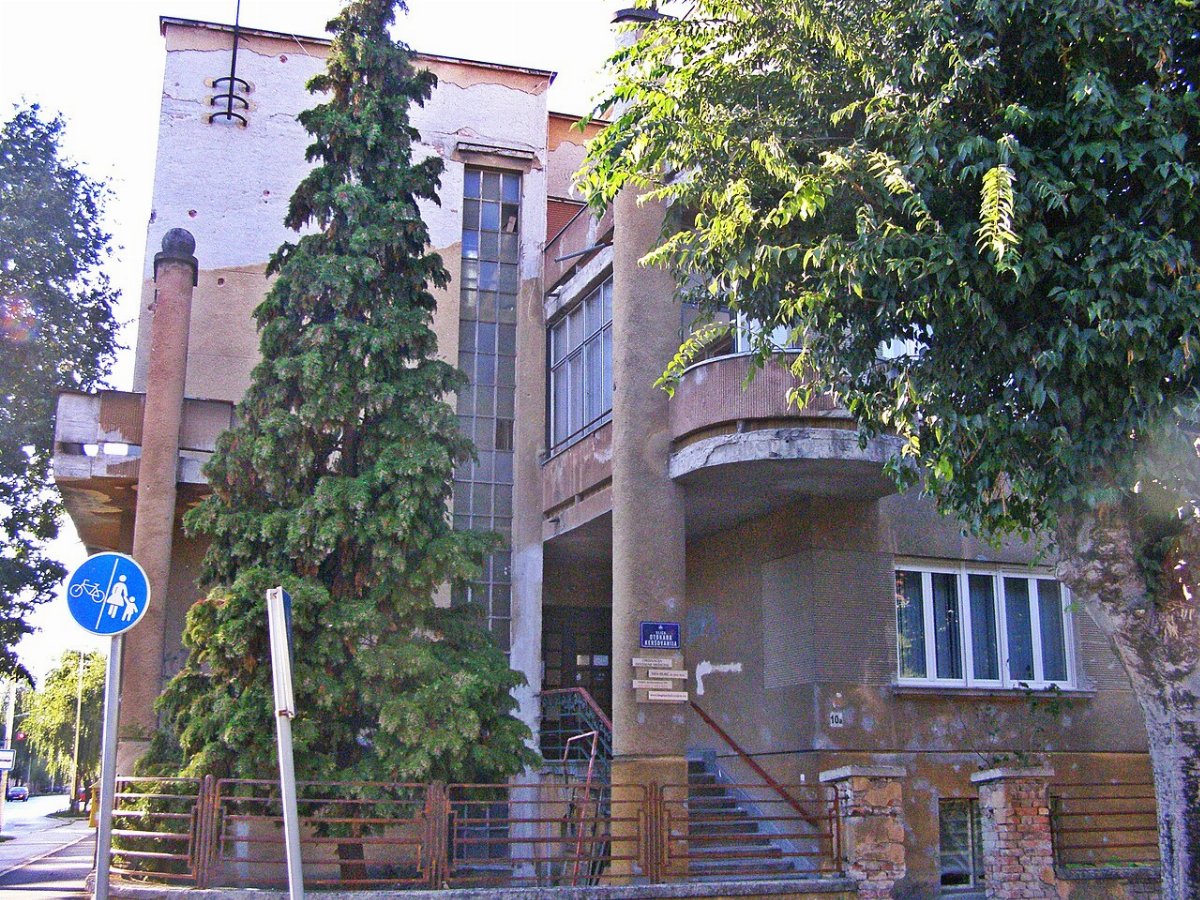
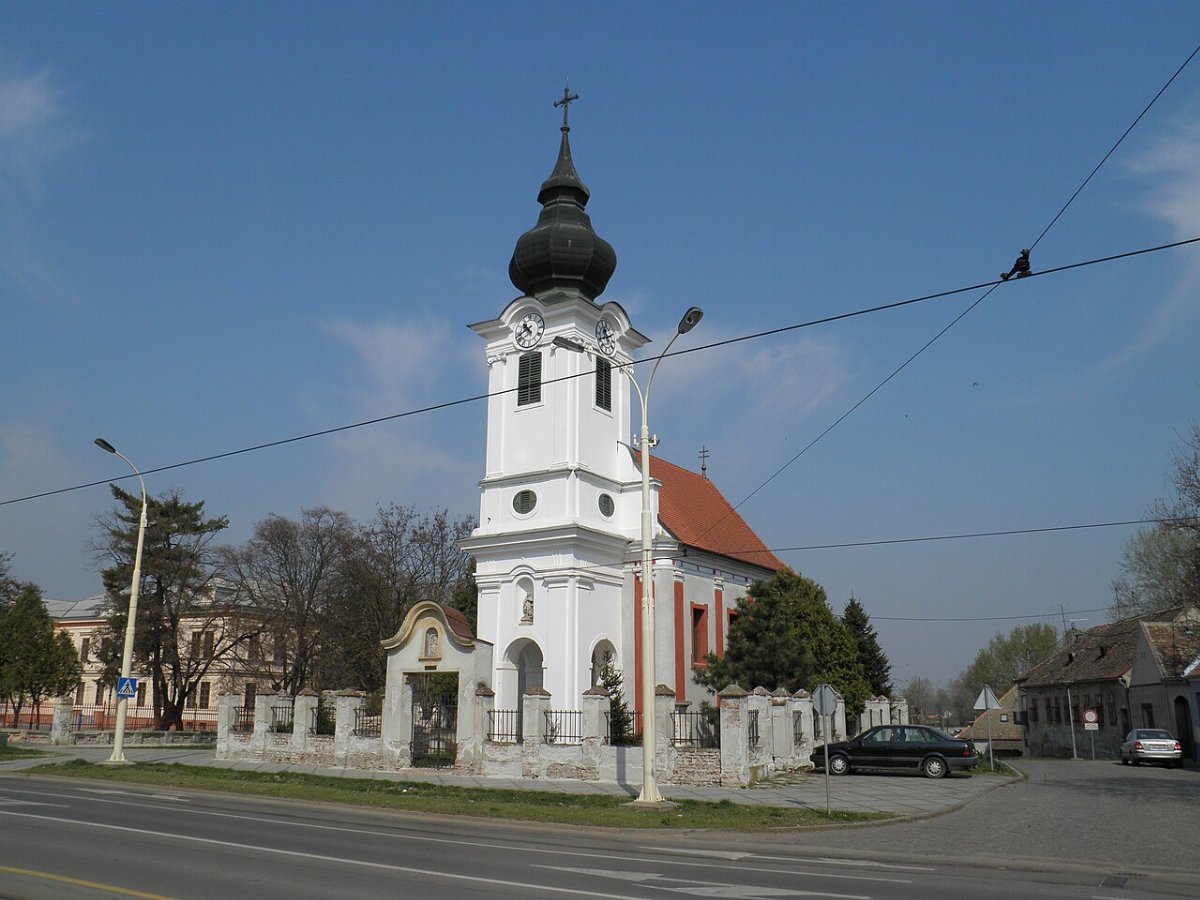
Osijek is a city in Osijek-Baranja County that has existed for almost two thousand years, and interestingly it has moved over time. Visitors will like that several different settlements are outlined in a single city.
Roman Mursa extended over the area of today's Donji grad. Medieval Osijek arose on a new site, a kilometer or so to the west, where Turkish Osijek also stayed. After the Turks, the city developed both on the old locations and on newly built areas. Nevertheless, today's urbanism largely derives from a plan produced shortly after the expulsion of the Turks, at the end of the seventeenth and the beginning of the eighteenth century, and since then the city has grown toward that starting point. Among the ensembles Tvrđa stands out, with a well-preserved core, part of the ramparts toward the Drava, the ruined Crown Fort on the left bank and a park belt on the site of the demolished fortifications.
The ensemble is a protected cultural good, entered in the Register of Cultural Goods of the Republic of Croatia under the code Z-4341.
Data: Register of Cultural Goods of the Republic of Croatia (Ministry of Culture and Media), Open Licence.
Follow us on Facebook for more articles about Croatia. Share this article using the buttons on the right. Thank you!

Accommodation nearby
Directly from the owners, no commission


Private accommodation in Croatia – directly from the owners
Search accommodation in Croatia →Apartman BjankaŽuljanaCapacity: 2-19 · To the sea: 150 mfrom 15 € per person / nightView offerApartmani VerdeŠibenikCapacity: 3-9 · To the sea: 150 mfrom 18 € per person / nightView offerVilla Stefa PirovacPirovacCapacity: 2-8 · To the sea: 150 mfrom 10 € per person / nightView offerApartman Marina BristGradac – PodacaCapacity: 2-12 · To the sea: 20 mfrom 12 € per person / nightView offerApartments ViktorRogoznicaCapacity: 2-16 · To the sea: 70 mfrom 20 € per person / nightView offerApartmani ZoricaTučepiCapacity: 2-30 · To the sea: 50 mfrom 25 € per person / nightView offer
Upgrade this article
Bio si na ovom mjestu? Podijeli s nama svoja iskustva ili fotografije.
Napiši svoju verziju članka. Nagrađujemo vlasnike apartmana.


